Milk Markets, Co-ops & Processing
Where Milk Really Goes: Cheese, Whey and Chocolate Milk
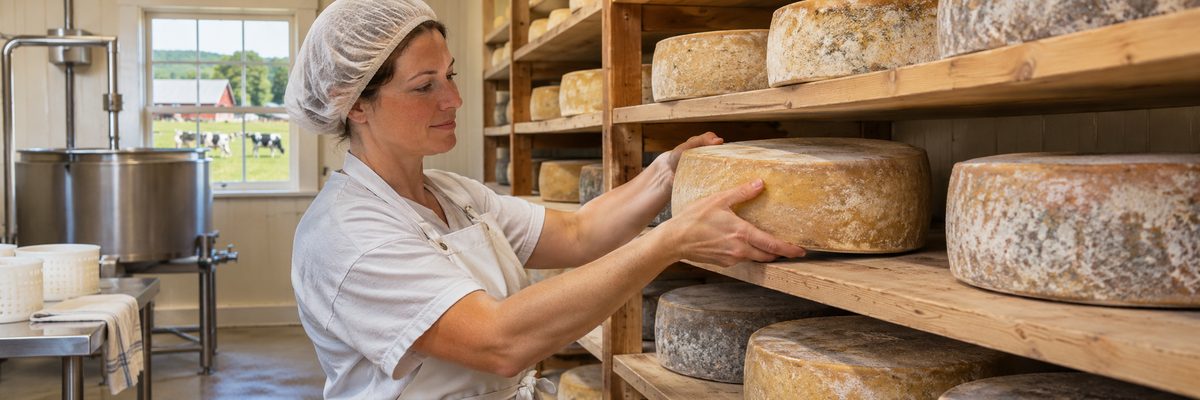
The milk that leaves your bulk tank does not stay milk for long. By the time it reaches a customer it may be a block of cheddar, a tub of cottage cheese, a scoop of protein powder in a gym bag, or a bottle of chocolate milk some kid will drink on the bus. Which of those it becomes is the single biggest thing deciding what you get paid for it.
That is not trivia. Federal order pricing sorts milk into classes based on how the plant uses it, and the classes carry different minimum prices. A hundredweight that ends up in a bottle and one that ends up in a cheese vat are not worth the same, even though both started in the same cow on the same morning.
So here is a quick tour of where it all goes, with a few asides along the way. The milk does not mind. It has places to be.
The first split: fluid or manufactured
Every tanker load gets one of two destinations at the plant. Either it is bottled, which makes it Class I, or it is manufactured into something else. For the basics of how those classes work, Class I, II, III and IV milk is a good reference. For the journey itself, how milk gets from your tank to the store follows the trucks and plants.
Roughly, the manufactured side breaks down like this:
| Destination | What it is | Pricing class (general) |
|---|---|---|
| Bottled milk and cream | White, flavored and lactose-free milk, half-and-half, cream | Class I and II (cream) |
| Yogurt, ice cream, cottage cheese, sour cream | Soft and cultured products | Class II |
| Cheese | Cheddar, mozzarella, Swiss, Italian types and others | Class III |
| Butter and powders | Butter, nonfat dry milk, skim milk powder | Class IV |
Cheese: the biggest customer
A large share of American milk goes into cheese, and it is the reason cheese prices are watched so closely by dairy farmers. A cheese plant is not after the water, so it concentrates the fat and protein and ends up with a lot of liquid left over. That liquid is whey.
The link from cheese to your check is spelled out in how block cheese prices set your milk price. Your own part of the chain is the components. Milk with more butterfat and protein makes more cheese per hundredweight, which is why butterfat and protein pricing deserves a close look on your statement.
The Wisconsin Center for Dairy Research, which is supported by dairy checkoff funds and the dairy industry, does a lot of work on cheese, butter and ingredients, and its site at cdr.wisc.edu shows the kinds of products processors are developing.
Whey: from drain to protein powder
Whey used to be treated as a nuisance. Now it is an ingredient. The liquid left from making cheese is processed into dry whey, whey protein concentrate, whey protein isolate, lactose and permeate. Those turn up in protein bars, sports drinks, infant formula, baked goods and animal feed. If there is a scoop of vanilla powder in your kitchen cabinet, there is a decent chance the protein came from a cheese plant.
This matters at the farm gate because whey value feeds into the pricing of milk used for cheese, and because a lot of whey products are exported. The connection is covered in how dairy exports and tariffs hit your milk check. It is also why athletes ended up in the dairy news. If you want the farm.FM take, there is a farm.FM piece on milk as the newest suspected performance enhancer, which has athletes under scrutiny for drinking it. Whether the world of sports ever bans a glass of milk is something you can leave to the officials. The cow was not consulted.
Butter, powder and the cream side
Butter is made from the fat in cream. What is left when the cream is skimmed is nonfat solids, which can be dried into nonfat dry milk or skim milk powder. Those are storable, widely traded and a useful way for the industry to balance supply. When there is more milk than the bottling and cheese plants need, it often ends up in a dryer.
That balancing role is one reason low prices can hang around. A dryer lets plants take milk that would otherwise have no home, which keeps farms from dumping milk but can also keep the market flush with supply. For more on the dumping side, see why dairy farms dump milk and how to avoid it.
Chocolate milk and other flavored milks
Chocolate milk is regular milk with cocoa and sweetener, and it is bottled as Class I like any other fluid milk. Schools, kids and a fair number of adults buy plenty of it. The milk in the bottle is the same milk your cows made; the cocoa is the only new thing. Flavored milk also sells in a long list of varieties: strawberry, vanilla, coffee and others, depending on the region.
Some producers like to point out that the cow does not make chocolate milk, which is correct. It is also a reminder that the brown cow myth is still out there, apparently undefeated. A good dairy farmer lets the kid keep that one for at least a few more years.
For a lighter side of milk's reputation, there is a farm.FM story about sparkling milk, which at a Lubbock party got mistaken for a cappuccino. Most processors have not asked for carbonation in a tanker. If one does, ask for it in writing.
What this means for a producer
- Know your plant. A bottling plant, a cheese plant and a dryer each pay differently and want different things. Ask what your milk becomes.
- Watch components. Fat and protein levels matter more as more milk goes into cheese and ingredients.
- Quality travels. Poor milk quality limits what a plant can make from your milk. High bacteria or somatic cell counts cost you premiums and can cause rejected loads.
- Follow the by-products. Whey and cream values show up in your check even if you never see them.
Dairy checkoff programs help promote new uses and markets for milk products. For more on how that money works, see where your dairy checkoff dollars go.
Quick answers
What is most milk in the United States made into?
A large share goes into cheese, with much of the rest going to fluid milk, butter, powders and cultured or frozen products. The exact mix changes by region and over time, so check recent USDA data if you need figures.
Is whey a waste product from cheese?
Not any more. Whey is processed into protein concentrates, isolates, lactose and other ingredients used in foods, sports nutrition, infant formula and feed. Its value feeds back into milk pricing.
Does the kind of product made from my milk change what I'm paid?
Yes. Under federal order pricing, milk is classified by how it is used, and each class has its own minimum price. Your actual pay depends on the blend, your components and your handler's terms.