Milk Markets, Co-ops & Processing
Dairy Goat Milk: Finding Buyers and Fair Prices
Goat people tend to learn the same lesson in the same order. First you fall for the goats. Then you realize the goats are producing milk faster than your family can drink it. Then you ask the question this article is about: who's going to buy this? Nobody mentioned that part when the doe was standing on the picnic table, looking cute.
Goat milk markets are much smaller and patchier than cow milk markets. There's no national milk check system the way there is for cows, and buyers are scattered: a handful of processors who take milk from farms, cheese makers who want specific supplies, regional co-ops in a few places, and the farmstead route where you do the processing and sell it yourself. Pricing varies a lot from buyer to buyer. Before you build a herd, line up a buyer or a clear plan to be your own.
Where goat milk actually goes
Processors that buy from farms
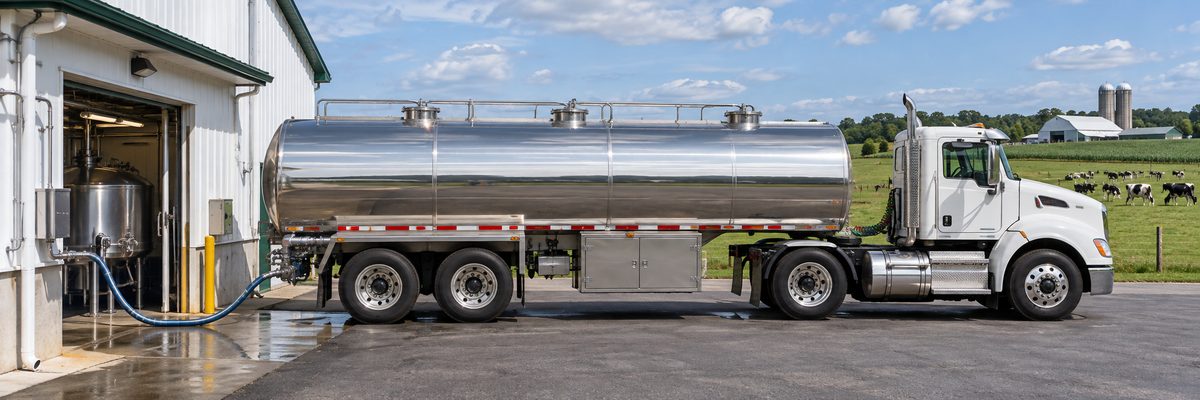
Some processors, including cheese makers, fluid milk plants and companies making powdered or specialty products, buy goat milk from farms. They typically work with a limited number of suppliers and often within a specific region because hauling goat milk long distances is hard to justify with small volumes. Those buyers usually want a certain level of milk quality, steady volume and consistent testing results, and many have requirements for herd health testing and housing. Contact them before you buy goats. Many have waiting lists or only add farms when their own sales are growing.
Co-ops and marketing groups
In places with enough goat farms, producers sometimes form cooperatives or marketing groups to sell collectively and share hauling. These show up more in regions with concentrated cheese production than in areas with just a few scattered farms. If there's a group where you live, talk to its members before anything else; they know which buyers pay on time.
Farmstead and direct sales
Many goat dairies sell what they make instead of selling milk: chevre, feta, aged cheese, soap, fudge, yogurt, kefir. That means licensing a plant and learning marketing, which is covered in starting an on-farm creamery. It also means the answer to "who buys the milk?" is you, and the real question becomes who buys the cheese.
Other outlets
Some farms sell to other farmers or to individuals under state rules for raw milk or pet milk, and some sell kids. Raw milk sales for human consumption are regulated at the state level, and many states restrict or ban them; check yours before assuming anything is legal.
How goat milk pricing differs from cow milk
Cow milk pricing in most of the country is tied to federal and state formulas, with components, class prices and blend prices all feeding into the check. If you want a refresher on how that works, reading your milk check line by line explains the pieces. Goat milk doesn't follow that system. Prices are set by the buyer, often through a contract or a posted price, and might be quoted per pound, per gallon or per hundredweight. Some buyers adjust for butterfat and protein, some for somatic cell count or bacteria, and some add seasonal or volume adjustments.
Because the market is smaller, individual buyers have more say. That works for you when there's competition for milk and against you when there's only one plant within hauling distance. It's one reason to ask any buyer what the price is based on, how often it changes and how much notice they have to give you.
Seasonality changes the offer
Goats are seasonal breeders, which means many herds freshen in spring and dry off in winter. Processors that need a steady supply year-round often want milk during the off-season, and some adjust pay to reflect that. Out-of-season breeding, staggered kidding and good records of freshening dates make you a more useful supplier. If you freshen everyone in March, you'll have plenty of milk in June and none in January, and a buyer with a yogurt customer might want a different arrangement.
What to ask a goat milk buyer
- What's the pricing basis? Flat price, components, quality adjustments, seasonal changes.
- How is the price set and changed? And how much notice do I get?
- What are the quality standards? Bacteria counts, somatic cells, antibiotic testing, herd health programs.
- Who hauls, and what does it cost? Pickup frequency, tank requirements and hauling deductions.
- What volume do you need? Minimums, maximums and what happens if you ship less or more.
- What are the payment terms? How often and how soon after pickup.
- What happens if you stop buying? Contract length, termination notice and how much milk you can sell elsewhere.
The same questions apply to cow dairies, and what to ask before signing a milk contract goes into more detail on contract terms. For anyone starting from zero, finding a milk buyer for a new dairy covers the search process, and much of it translates directly to goats.
Costs, quality and the goat-specific details
Goat milk quality standards follow the same general framework as cow milk, with differences in how the herd is tested and what limits apply, and they vary by state. Clean milking practices, cooling and a good vet relationship matter at least as much as with cows. The daily routine for milking dairy goats covers the basics. And if your plan depends on a specific buyer, ask about breed or production expectations: dairy goat breeds compared shows how breeds differ in volume and components, which affects what you earn per goat.
A realistic budget also includes the costs of getting started and keeping going: fencing, housing, feed, bucks, vet care and a milking setup. Prices that look fair on a per-gallon basis can still leave you short once feed and labor are counted. Write the numbers down before the first doe freshens, because goats don't come with a refund policy, and they'll have figured out how to open the feed room by Thursday.
Regional notes
Goat milk buyers cluster in a few regions, including parts of the Upper Midwest, the Northeast, the West Coast and some Southern and Plains states with established cheese operations. In areas with no nearby processor, farmstead and direct sales may be the only options. In hot climates, cooling and cold chain are more demanding, and in wet regions parasite management shapes herd health. The American Dairy Goat Association maintains breed and herd records and can point you to resources, and the USDA AMS dairy market news reports are useful for seeing how the broader dairy market is moving, even though goat milk doesn't follow those prices directly.
Quick answers
How much do dairy goat farms get paid for milk?
There's no single price. Buyers set their own, and prices vary by region, volume, quality and season. Ask potential buyers how pricing works and get it in writing.
Can I sell goat milk to a cow milk processor?
Usually not, because goat milk has to be handled and processed separately. Look for processors that specifically buy goat milk, or make your own products.
Is it worth keeping goats if I can't find a buyer?
It can be, if you plan to make and sell your own cheese or other products, but it's a very different business from shipping milk. Line up the market before the herd.