Milk Markets, Co-ops & Processing
Northeast Dairy Markets: Co-ops, Creameries and Pricing
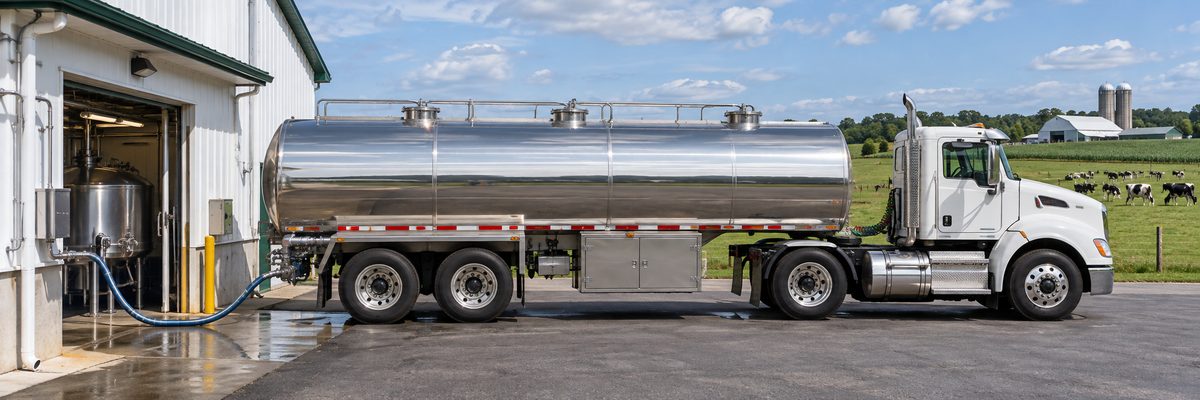
Northeast dairy farming is a lot of small farms on a lot of hills with a lot of neighbors who each have a strong opinion about the milk check. The market reflects that. It's close to big cities, it moves plenty of fluid milk, it supports a thick layer of cooperatives, and it still has farms at the end of long dirt roads that the milk truck reaches only after a negotiation with the weather.
The short version for anyone shipping or planning to ship milk here: most farms sell through a cooperative or a handler under a federal milk marketing order, pay prices follow regional formulas, and your options depend heavily on where in the region you are. A farm in central New York has a different range of buyers than one in northern Vermont or western Pennsylvania, and a few states add their own rules on top of the federal ones.
Who buys milk in the Northeast
Cooperatives
Cooperatives are a large part of Northeast milk marketing. Some are regional and some national, and members own the co-op and are typically paid through it. Co-ops pick up milk, find plants to take it, and handle balancing when supply exceeds what plants can use. How dairy cooperatives work for member farms explains the basics, and co-op versus independent milk buyer helps when you have a choice. Several co-ops and handlers also operate in the region at once, so what's available depends on your route and your neighbors.
Proprietary handlers and processors
Some plants buy milk from farms directly or through a co-op arrangement. The region has cheese, yogurt, fluid milk, ice cream and butter plants of different sizes, from large operations to small creameries that buy from a handful of farms. Plants with their own supply programs may set quality or sustainability requirements, and a few offer premiums for specific practices. Whether a plant can take your milk depends on its capacity, your location and what it needs.
Creameries and farmstead processors
The Northeast has a strong farmstead tradition, helped by customers who are close and willing to pay for local food. Small creameries sell cheese, yogurt, bottled milk and more, often to local stores, farmers markets and tourists. Starting an on-farm creamery step by step covers the path.
How pricing works here
Most Northeast farms are priced under the federal milk marketing order system, which sets minimum prices handlers pay for milk based on how it's used, and then pools those uses into a blend price for farms. The Northeast covers a lot of territory and includes several orders, with the largest covering much of New England, New York, eastern Pennsylvania, New Jersey and parts of the Mid-Atlantic, and other orders covering neighboring areas. Which one applies to you depends on where your milk is delivered. How federal milk marketing orders work explains the system, and the USDA's Federal Milk Marketing Orders page shows which order covers each area.
The Northeast has a high share of its milk going to fluid use, which is priced as Class I. That tends to support blend prices relative to regions where more milk goes to cheese, though it varies by order and market conditions. Fluid milk consumption nationally has been shifting for years, and fluid plants have been closing and consolidating, so check your own handler's situation. A few states, Pennsylvania among them, also have a state milk marketing board that sets certain minimum prices, so a Pennsylvania farm may deal with both federal and state rules. Check your state's agriculture department to see whether state prices apply to your milk. Class I, II, III and IV milk explained helps with the terms, and what the blend price on your milk check means shows how the pool reaches your check.
Features that make the Northeast different
- Small and mid-sized farms. Tie-stall barns, family herds and older facilities are common. Large herds exist too, particularly in central and western New York.
- Grazing and organic. The region has many grazing dairies and organic farms, and processors that specifically buy that milk. A grazing dairy calendar for the Northeast and Upper Midwest shows how those farms work through the year.
- Amish and Plain community farms. Many have special requirements for milk handling, like cans or specific equipment, and buyers who work with them often have their own programs.
- Short hauls and long hauls. A farm near a plant is lucky. A farm on a back road in a snowbelt sees hauling costs matter, and winter access can decide whether the truck arrives. Hauling and stop charges explained goes through how those costs show up, and what to do when the milk truck can't get in is worth reading before the first big storm, not while you're standing in the driveway in a bathrobe waving at a tanker that isn't coming.
- Dense neighbors. Land is expensive, development pressure is real and the field next to your barn may be a subdivision next year. Plan accordingly, and be nice to the guy who lives behind the silo.
Questions to ask a Northeast handler
- Which federal order or state program prices my milk?
- What deductions, hauling charges and equity retains apply?
- What quality premiums or penalties do you use?
- Are you adding farms, and what are the requirements?
- What are the options for premiums, like organic, grass-based or specialty programs?
- What happens if the plant changes its needs or closes?
For farms looking for new options, how to switch milk buyers without losing pay may be relevant, and what to ask before signing a milk contract helps with the fine print.
Where to get regional help
Cornell's PRO-DAIRY program serves New York farms with management and business resources, Penn State Extension's dairy pages cover Pennsylvania and the surrounding area, and state agriculture agencies in places like Vermont and New York can answer questions about licensing, programs and pricing rules.
Quick answers
Which federal order covers my Northeast farm?
It depends on where your milk is delivered and processed, not just where the farm sits. Your handler or co-op can tell you, and the USDA's Federal Milk Marketing Orders page lists the areas.
Do co-ops pay better than independent buyers in the Northeast?
Not automatically. Compare the full check, including premiums, deductions, hauling and equity retains, and ask what services each offers.
Is it hard to find a milk buyer in the Northeast?
It depends on your location and size. Farms near plants and routes have more choices, while remote or small farms may have few. Contact handlers early and ask what they need.