Milk Markets, Co-ops & Processing
Why Milk Prices Rise and Fall So Much
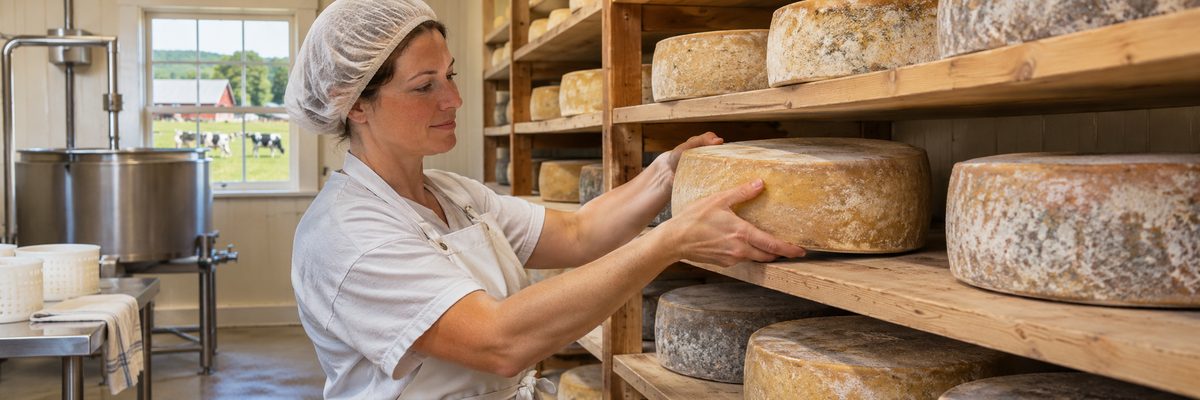
Milk prices swing because milk is a product you can't turn off. Cows keep producing when the price is low, new heifers take two years or more to become milk, and people don't drink much more milk when it gets cheaper. Add exports, cheese plant capacity, feed costs and the occasional animal disease, and you get a market that has a real talent for whiplash.
That doesn't mean prices are random. The same handful of forces show up in every cycle. If you know what to watch, the swings still hurt, but they stop being a surprise.
A milk check is the only paycheck that gets a market report from the other side of the planet.
Supply is slow, demand is stubborn
Economists call this inelastic, which is a polite way to say that nothing moves fast. On the supply side, the cows you have today are the cows that will make milk for the next year. A farm that decides to expand has to buy or raise cattle, add housing, and wait out a long lead time. A farm that decides to cut back usually does it slowly too, with culling and a lot of hoping. On the demand side, the amount of milk and dairy people buy changes slowly and doesn't respond much to price in the short run.
The result: when a bit too much milk shows up, prices have to fall a lot to move it, and when a bit too little shows up, prices have to rise a lot to ration it. A small change in supply can create a big change in price.
The cow cycle
Nobody expands at a low price. Everybody expands at the top, together, with the same bank and the same heifer broker.
High prices encourage farms to keep more cows, raise more heifers and expand. A year or two later, the extra milk arrives, supplies get ahead of demand and prices drop. Low prices, in turn, push farms to cull more cows and slow expansion, and eventually supplies tighten again. The cycle is made worse because everyone responds to the same price signals at the same time.
That is one reason a good budget doesn't assume the top of the market is normal. If you can't make it at the average, you can't make it. For tools to plan around swings, the low-price survival playbook and finding your break-even milk price are good places to start.
Cheese, butter and powder set the tone
Much of the milk produced in the US goes into cheese, and wholesale prices for cheese, butter, dry milk and whey feed into federal order class price formulas. When cheese demand is strong and inventories are tight, cheese prices rise, and that pulls up what plants can pay. When new plants open and ramp up, they can absorb more milk and lift demand, and when plants run into trouble, that milk has to go somewhere else. See how block cheese prices set your milk price for the trail from the cheese market to your check, and where milk really goes for what happens to it after it leaves the tank.
Plant capacity is a big and often overlooked factor. A region with more milk than processing capacity ends up shipping milk long distances or selling at a discount, and a region with new plants can see stronger local demand. That's one reason prices feel different in different parts of the country.
Exports and trade
The US sells a meaningful share of its dairy production abroad, especially cheese, whey and milk powder. When foreign buyers are active and the dollar is competitive, that adds demand. When tariffs, trade disputes, currency swings or big production from other exporters cut into sales, the milk has to find a home domestically, which pushes prices down. For more, read how dairy exports and tariffs hit your milk check.
Global events matter more than most farmers would like. A drought in a major exporting region, a policy change in an importing country or a disease outbreak half a world away can show up in your price before you hear about it at the co-op.
Feed costs and weather
Feed is the biggest cost on most dairies, so corn, soybean meal and forage prices matter a lot. When feed is cheap and milk is decent, farms feed for production. When feed gets expensive, margins tighten even if the milk price holds. Weather can hit both sides: a drought can raise feed prices and trim milk production at the same time, and heat can reduce yields in a region over the summer. Your cost per hundredweight shapes how you experience the market, which is why calculating feed cost per hundredweight is worth doing.
Disease and shocks
Animal disease outbreaks can affect supply directly, through lost milk and culled cows, and indirectly through trade and demand. Avian influenza in dairy cattle, for example, raised new questions about herd movement and milk production in affected regions. See avian influenza in dairy cattle for the farm-level picture. Other shocks include plant fires, transportation snags and changes in consumer habits.
What you can do about it
- Know your break-even and your margin. The price matters less than the gap between price and cost.
- Use the tools that exist. USDA's Dairy Margin Coverage and Dairy Revenue Protection are two examples. DMC vs Dairy Revenue Protection compares them, and the FSA's DMC page has the official program details.
- Track the market. USDA ERS maintains a dairy topic page with market outlook and trade information, and the AMS Dairy Market News is a weekly source of price and supply reports.
- Keep cash in reserve when prices are good. It's boring, and it's the thing that lets you stay in business through a low stretch.
- Talk to your lender before you have to. Lenders have seen cycles and prefer a farmer who calls early.
Financial decisions belong with your lender, accountant and advisors, not with a single article. And don't take any single month's price as a trend. Markets that went up last month are famous for turning around the moment somebody buys a new skid steer.
Quick answers
Why don't prices just fall until farms stop producing?
Many farms keep milking at a loss in the short run because cows are already in production and fixed costs continue. Supply tends to adjust slowly, through culling and slower expansion, which stretches out low-price periods.
Is the swing getting worse?
Prices have always moved in cycles, and many observers point to global trade and volatile cheese and feed markets as factors that keep the swings wide. Planning around a range of prices works better than hoping for a stable one.
Which price should I watch most?
It depends on where you ship. Cheese-region farms often watch Class III, while fluid-heavy regions pay attention to Class I and the order blend. Your buyer or co-op can show you which price drives your check.