Grazing, Organic & Small Dairies
Starting a Small Dairy Farm: What the First Year Looks Like
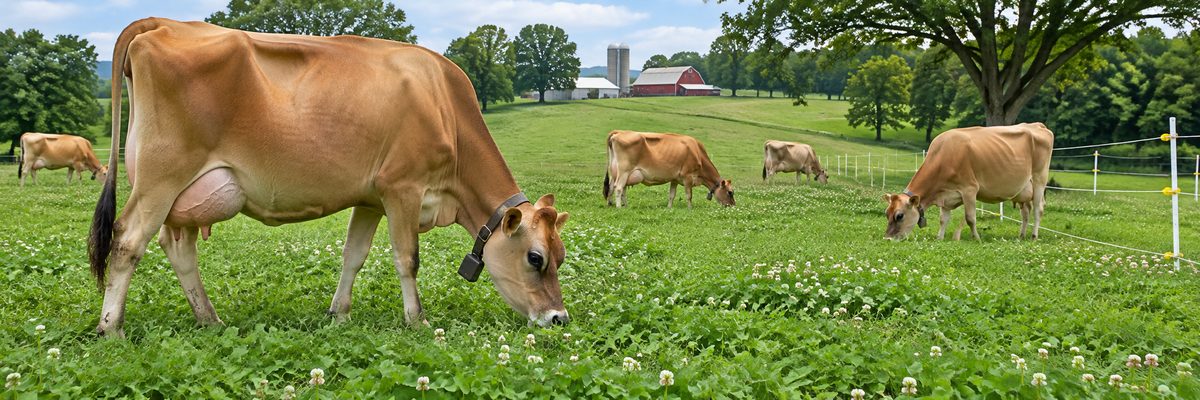
The first year on a small dairy is mostly about two things: getting your milk into a market that will pay you, and staying upright. The cows will do their part. They'll want milking at roughly the same hours every day, including your birthday, the day of the blizzard and the day the washing machine dies.
Most failed starts don't fail because the person couldn't handle cows. They fail because the milk had nowhere to go, the equipment was bought before the market was lined up, or the money ran out before the herd reached full production. So the order matters: market first, permits second, then cows and equipment, with cash set aside for the stretch where bills arrive before the checks do.
Decide where the milk is going
Everything else follows from this. A few common routes:
- Sell to a co-op or milk handler. You need to meet Grade A standards (or manufacturing-grade standards, depending on the buyer and state), have a bulk tank, and be on a hauler's route. Small herds in remote areas sometimes can't get a truck to stop. Ask early. Co-op versus independent buyer goes through the trade-offs.
- Sell to a local creamery or cheesemaker. Some small processors buy from nearby farms and pay for quality.
- Process on the farm. Cheese, yogurt, butter or bottled milk can earn more per gallon, but you're now running a food business with its own licensing and equipment. The farmstead creamery checklist is a good first read.
- Raw milk or herdshare. Rules differ widely by state. Check your state agriculture department before anything else, and start with how raw milk laws differ by state.
Get a buyer or a written plan before buying a single cow. Cows without a market are an expensive hobby with a very loud alarm clock.
Permits and the paperwork nobody mentions at the auction
Selling milk generally requires a permit from the state dairy or agriculture agency, a barn and milk house that pass inspection, and a milking system that can be cleaned and tested. Requirements vary by state and by buyer, so call your state dairy regulator and your prospective milk buyer in the first few weeks. Then there's the usual business side: an entity structure, insurance, tax registrations and a plan for records. Preparing for a Grade A inspection covers what the inspector looks at, and liability insurance for dairies is worth reading before you sign the first policy.
Cows, land and equipment
Start with fewer cows than you think
A herd you can handle with good records is better than one you can barely keep up with. Buy healthy, well-bred cows from a source you trust, ask for health and production records, and have your vet look at the herd's history. Buying a bargain cow from a sale barn is how a lot of new herds acquire mastitis and a lameness problem together. How many cows a small family dairy needs goes into sizing.
Equipment you really need
- A milking system that suits your herd: bucket milkers, a small pipeline, or a low-cost parlor. See bucket milker versus pipeline for a small herd.
- A bulk tank sized for your milk and a way to cool it fast enough. Cooling rules are explained in how fast milk must cool.
- Hot water, wash sinks, and a milk house you can actually keep clean.
- Feed storage and a way to feed: hay, grain, or a pasture and fence system.
Used equipment can save money, but have it checked before you buy. Buying used dairy equipment has the short list.
Money: what the first year really needs
Costs differ enormously depending on whether you're buying land, renting a barn, or taking over an old operation. Rather than quoting figures that won't match your situation, use this list to build your own:
- Cows (or heifers and the time to raise them)
- Milking equipment, bulk tank and cooling
- Barn repairs, fencing and water
- Feed until the first milk check
- Vet, breeding costs and supplies
- Insurance, permits and testing
- Living expenses, since the farm may not pay you for a while
Beginning farmers can look at USDA Farm Service Agency programs; FSA loans for beginning dairy farmers explains how they work, and a dairy business plan outline gives you something to bring to the lender. The most common mistake is underestimating how long it takes for milk checks to catch up with expenses. Build a monthly cash flow projection and then add a cushion, because something always goes wrong in month four.
What the year looks like
- Months one to three. Line up the market, permits, financing and a vet. Visit working farms and ask what they'd do differently. Most will tell you, usually at length.
- Months three to six. Get the barn, milk house and equipment ready and inspected. Buy cows when you can milk them properly, not before.
- Months six to nine. Establish a routine. Learn the cows, watch milk quality, test the equipment, and keep records from day one. A consistent milking routine will do more for your somatic cell count than any product.
- Months nine to twelve. Review the numbers. Breeding records, feed costs, milk quality and cash flow all tell you whether the farm is working. Adjust before expanding.
The workload, honestly
Milking happens every day, usually twice. Add feeding, cleaning, calving, calf care, fencing, hay and records, and the day fills up. Plan for relief help from the start, whether it's a part-time milker, a neighbor or a family member who knows the routine. If you're the only person who can milk, you're the one who never gets to go to the wedding.
Mistakes to avoid
- Buying cows before the market and permits are settled.
- Skipping a vet relationship until there's an emergency. Finding a large animal vet before you need one is cheap.
- Buying more equipment than the herd needs.
- Ignoring milk quality in the first months, when habits form.
- Going without records. Without them you can't tell which cows or practices are working.
Extension programs are a free resource. Cornell PRO-DAIRY and other land-grant dairy programs publish guides and run workshops, and your county extension office can point to the right specialist in your state.
Quick answers
How much does it cost to start a small dairy?
It varies widely with land, buildings, herd size and whether you're processing milk. Build your own budget from real quotes and include living expenses and a cash cushion, then run it past a lender or extension farm business specialist.
Do I need a license to sell milk?
Almost always, though what kind depends on your state and how you're selling. Contact your state dairy or agriculture agency before you buy equipment so you know what the barn and milk house have to meet.
Can I start a dairy with just a few cows?
Yes, especially if you're selling direct, making cheese, or supplying a local buyer. Selling to a large co-op usually needs enough volume to justify a truck stop, so ask your buyer what the minimum is.