Grazing, Organic & Small Dairies
Bloat on Clover and Alfalfa Pasture: Prevention Basics
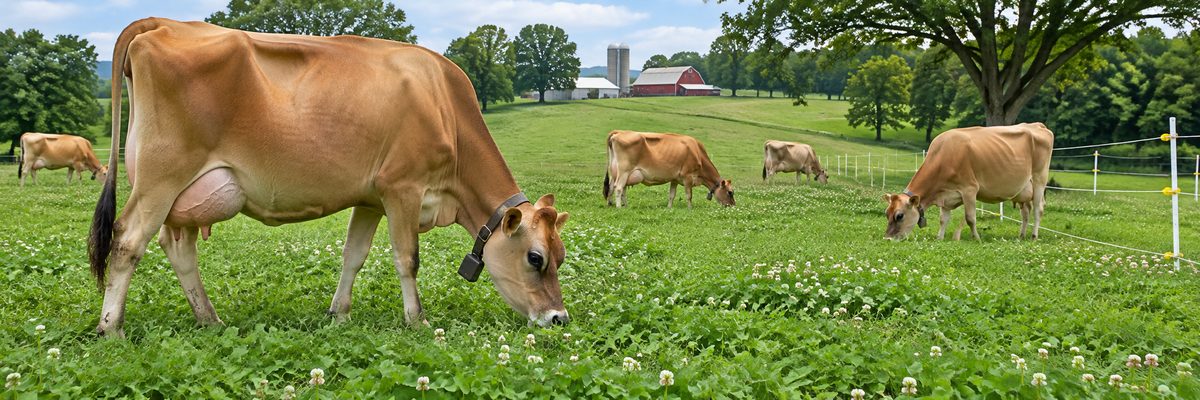
Bloat is the reason some graziers will not touch alfalfa and the reason others graze it carefully with a plan. Legume pasture is high-quality feed, and cows milk well on it. It is also the one pasture feed that can put a cow down dead in a few hours, and when it happens it usually happens in the best-looking paddock on the farm.
Pasture bloat happens when the rumen makes gas faster than the cow can belch it out, typically because stable foam traps it. It can't be reasoned with. The practical answer, since the rumen is not open to negotiation, is to know the conditions that raise the risk, change how you graze during those windows, and have a plan, and a phone number, ready before you need them. A bloated cow is an emergency, and the herd vet should be your first call.
Why legumes cause trouble
The Manitoba government's livestock guide explains that alfalfa is digested five to ten times faster than most grasses, and that the rapid digestion creates gas and a stable foam in the rumen that blocks normal belching. Clovers can behave the same way. Their prevention of pasture bloat in cattle grazing alfalfa page is aimed at beef and dairy cattle and is a good read before you turn cows onto legume pasture.
Grass-heavy pastures with a modest amount of clover are generally lower risk than stands that are mostly legume, and mature legumes are lower risk than young, fast-growing ones. That gives you a lot of levers to pull.
When the risk is highest
According to that Manitoba guide, the higher-risk conditions include:
- Vegetative to early-bloom legume, when soluble protein is highest.
- Early in the day, when soluble protein is elevated.
- Right after rain, storms or frost.
- During rapid regrowth.
- When hungry cows are turned into the paddock.
Lower-risk conditions include full bloom or post-bloom stages, wilted or dried forage, and stands that have gone through a killing frost and had time to settle. The guide notes that frozen alfalfa can increase bloat risk at first and recommends waiting about two weeks after a killing frost before grazing. It also observes that bloat often shows up one to one and a half hours after a major grazing bout, and that cattle new to alfalfa tend to eat grasses first, with trouble appearing a couple of days later when the alternatives run out.
Grazing habits that lower the risk
None of these is a guarantee. No management makes legume grazing risk-free, and the same Manitoba page says so plainly. Together, they cut the odds.
- Never turn hungry cows onto lush legume. Feed hay or put them on a grass paddock first so they are partly full. Fill the rumen with fiber and the cows eat the legume more slowly.
- Move cows in the afternoon, not first thing in the morning. The Manitoba guide suggests moving between about 2 and 5 p.m., when soluble protein is lower. This also fits the milking routine on many farms, which is a coincidence worth keeping.
- Keep a good grass-to-legume balance. Seeding grass with the legume dilutes the risk, and it also improves persistence. See best pasture mixes for dairy cows for options.
- Offer dry hay or other long fiber at the gate in the first days on a new paddock.
- Be extra careful after rain and on regrowth. The guide describes the most dangerous period as about two days after rain during hot, rapid growth.
- Don't graze to the ground. Big swings between lush and short feed raise the risk, and so does letting cows gorge after a hungry day.
- Keep an escape paddock. A grass paddock that cows can be moved to in a hurry is a safety valve.
- Let overly lush stands advance or cut them for hay first. Waiting for later bloom lowers the risk in alfalfa, and a hay cut ahead of grazing can take the edge off a rank stand.
Bloat-preventive products
Several types of bloat-prevention products exist, including feed additives and treatments delivered through water or by other means. Which ones are legal, effective and practical for a milking herd depends on your region, your milk buyer and your organic or grass-fed program if you have one. Many products come with milk withdrawal rules, and organic certifiers limit what you can use. Talk to your herd vet before you buy anything, and follow the label and your vet's direction on use. This article doesn't give dosages and shouldn't be used as a treatment guide.
Signs of bloat and what to do
Watch for a swollen left side, especially in the upper flank behind the last rib, discomfort, kicking at the belly, reluctance to move, labored breathing, drooling and a cow that goes off by herself. A cow that is down and bloated is in serious trouble.
- Call the vet right away. Don't wait to see if it passes.
- Take the herd off the paddock and move cows to grass or hay while you check each one.
- Keep the cow on her feet and calm if you can, and follow the vet's instructions. Do not attempt to stab or tube a cow without training, since that can go badly wrong.
- Record what happened: the paddock, the time, the weather, what cows ate before. It will help you avoid a repeat.
The emergency side is covered in more detail in bloat in dairy cattle: what to do in an emergency, and if you're not sure whether a sick cow needs the vet, when to call the vet for a sick cow sets out the usual triggers. Milk from treated cows may have to be held out of the tank, so keep your treatment and withholding records, as covered in antibiotic withdrawal times for dairy cows.
Regional notes
In the Upper Midwest and Northeast, alfalfa and clover are common and the risk is highest in spring and after rain, so many graziers keep legumes below a moderate share of the stand. In the Southeast, white clover and crimson clover in cool-season pastures carry the risk in late winter and spring. On irrigated Western pasture, rapid regrowth after irrigation can mimic the same hazards, so timing of turnout after watering matters.
The University of Wisconsin's forage production and management pages are a place to look for state-level guidance on clovers, alfalfa and grazing.
Mistakes to avoid
- Turning the herd into a lush legume paddock at sunrise because that is when the milking ends.
- Assuming the cows will self-regulate. A cow's idea of a reasonable lunch and a rumen's idea differ.
- Skipping a plan for the paddock you won't use during the bloat window.
- Letting the cows hit a fresh paddock on an empty stomach after a long wait.
- Going out to check cows only at milking. The 90 minutes after a big graze is when you want eyes on the herd.
Quick answers
Can dairy cows graze alfalfa safely?
Many farms do it successfully, with careful management and a bloat plan. The risk never drops to zero, and the safest course is a grass-legume mix and gradual introduction.
Is white clover as risky as alfalfa?
Clover can also cause bloat, especially in lush, vegetative growth. A mixed pasture with moderate clover is generally lower risk than a mostly legume stand, but watch the herd after rain and on rapid regrowth.
What should I do if a cow looks bloated?
Call your vet immediately and move the herd off the paddock. Don't try home remedies or any procedure you haven't been trained to do. Time matters.