Preparing for a Grade A Milk Inspection
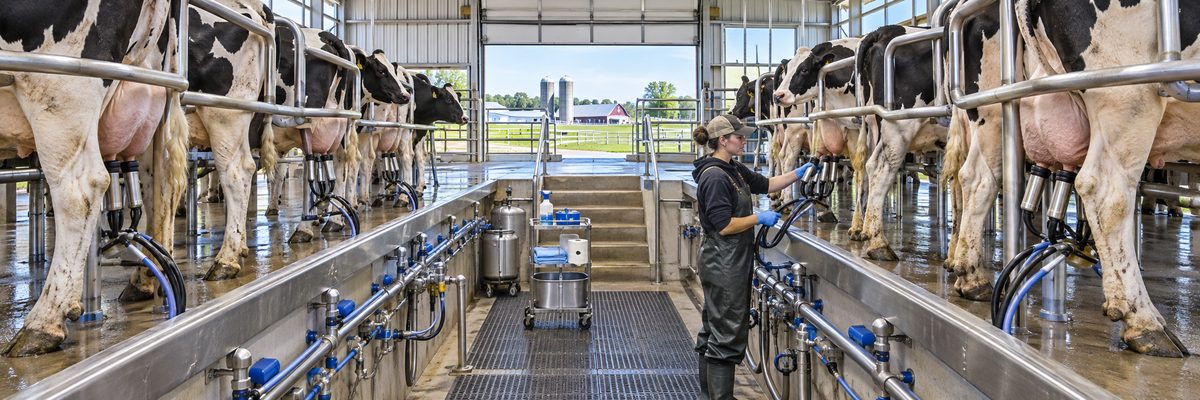
Inspectors rarely announce what they'll find. They just find it, usually in the one corner of the milk house you stopped looking at three years ago. The best preparation is to walk the farm the way they will, a week before they do, with a clipboard and a flashlight.
Grade A dairy farms are regulated under the Pasteurized Milk Ordinance (PMO), which states adopt and enforce through their own dairy agencies. The specifics, inspection frequency and paperwork vary by state and by milk handler, so confirm what applies to you with your state dairy regulatory agency and your milk buyer. What follows is a general walk-through that fits most Grade A farms, not a substitute for your state's rules.
How the system works
The FDA publishes the PMO and works with states through the interstate milk shipment program, and its Pasteurized Milk Ordinance page explains the background. States license and inspect producers, and milk is also sampled and tested regularly. Your milk handler and hauler are part of the chain, too, since they collect samples at pickup; how milk is sampled and graded at pickup explains that side.
Typical limits for raw milk from an individual producer, as generally described in the PMO, are 100,000 bacteria per milliliter and 750,000 somatic cells per milliliter, and no drug residues. These figures come from general knowledge of the ordinance and should be confirmed with your state agency. The somatic cell side is covered in the Grade A somatic cell limit, explained.
The walk-through checklist
Milk house
- Floor clean, sloped to drain, in good repair, and free of standing water.
- Walls and ceiling clean, smooth and tight, with no cobwebs or peeling paint.
- Lighting adequate, and lights shielded or protected.
- Screens and doors in good shape, self-closing where required, and no flies, birds or pets inside. Cats are fine in the barn, but the milk house is not their kingdom.
- Hand-wash sink with soap, single-service towels and hot and cold water.
- Nothing stored here that doesn't belong: no feed, no medicine bottles on the equipment shelf, no motor oil.
- Chemicals stored properly, labeled, and away from milk contact surfaces.
Bulk tank
- Tank clean on the inside, outside and under the lid, with no milkstone or film.
- Cooling works as required; check the thermometer and the cooling records. See how fast milk must cool in the bulk tank for the general targets.
- Agitator, outlet valve and gaskets clean and in good repair.
- Calibration and measuring equipment in good condition.
- Washing instructions posted, and the cleaning routine matches them. The steps are laid out in the bulk tank cleaning routine.
Milking equipment and parlor
- Pipeline, claws, liners, hoses and gaskets clean, intact and free of residue.
- Wash cycle temperatures, chemical concentrations and times match the labels and your records. Pipeline milker wash cycle basics covers the principles.
- Liners replaced on schedule, with records.
- Milking equipment tested and serviced as required by your state or handler.
- Parlor floors, pit, walls and equipment clean and in repair.
- Single-service teat towels or properly laundered cloths, stored clean.
- Teat dip and sanitizer stored properly, and cups and bottles clean.
Cows and the barn
- Cows are reasonably clean, with udders and flanks free of heavy manure and mud.
- Housing is in good condition, with no manure or standing water in or near the milk house.
- Animals under treatment or with abnormal milk are identified, milked last or separately, and kept out of the tank. See milking order for fresh and treated cows.
- Barn smells like cows. If it smells like something else, look harder, and then look under the feed cart.
Water and surroundings
- Water supply tested as required and safe for washing and cooling.
- Manure and waste handled so they don't drain toward the milk house or well.
- Pests and rodents controlled, with any pesticides used according to the label and stored away from milk.
- Lanes, lots and the area around the milk house free of junk that harbors pests.
Records to have ready
- Treatment and withholding records. Drug name, date, cow ID, route, withholding time and who handled it. Milk withholding times and discard records shows what to keep.
- Drug storage and inventory. Labeled, within date, and kept separately from items that contact milk.
- Cooling and wash records, if your state or handler requires them.
- Equipment service and test reports and any corrections made.
- Water test results.
- Prior inspection reports and proof that earlier violations were corrected.
Many inspection problems aren't dirty barns, just missing paperwork. An inspector can't read what you did in your head.
Common violations
- Dirty or damaged milk house surfaces, flies and uncontrolled pests.
- Unlabeled or improperly stored chemicals and animal drugs.
- Missing or incomplete treatment and withholding records.
- Poor cleaning of the bulk tank or milking equipment.
- Lapsed equipment tests or expired water tests.
- Animals or pets with access to the milk house.
What to do on inspection day
Be polite, ask questions and take notes. If you don't understand a finding, ask the inspector to point to the rule. If you disagree, there is usually a process for questions or appeals through your state agency. Fix any violations promptly, document the fix and keep the report. A farm that shows up with a correction in hand tends to get more patience than one with excuses.
Your state dairy regulatory agency is the final word on what applies in your location, and a dairy extension office can help with training and troubleshooting. USDA AMS dairy programs cover milk marketing and pricing, which is a separate system from the sanitary rules above.
Quick answers
How often are Grade A dairy farms inspected?
Frequency is set by your state under the PMO framework and can vary, so ask your state dairy regulatory agency. Milk is also sampled and tested regularly between inspections.
What happens if I fail an inspection?
You'll usually be given a list of violations and a time to correct them, with a follow-up visit. Serious or repeated problems can affect your permit or ability to ship milk, so contact your agency and handler early.
Can I prepare without a formal checklist?
Yes. Walk the milk house, parlor, bulk tank, cow areas and records the way an inspector would, and ask your handler's field representative or state agency for their checklist.