Grazing, Organic & Small Dairies
The Organic Dairy Transition Period Explained
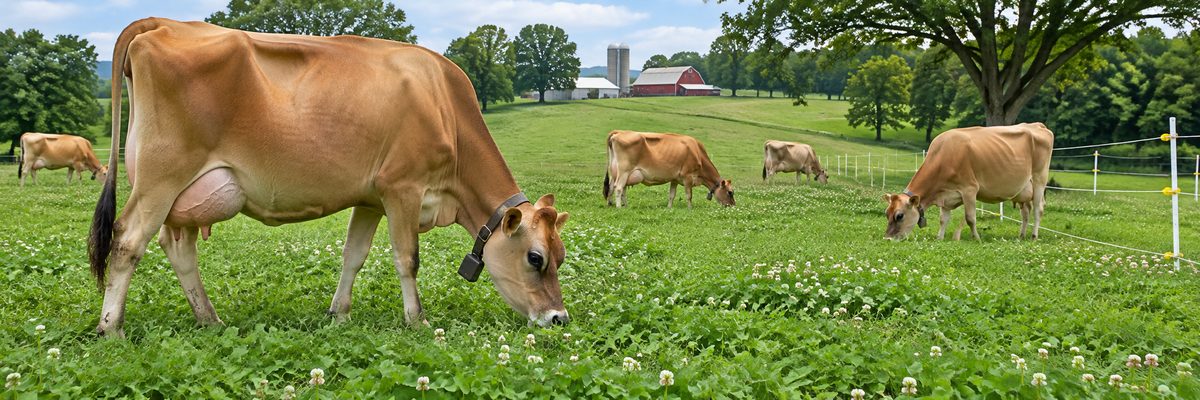
Going organic on a dairy means running two clocks at once, and they don't tick at the same speed. The herd has a 12-month transition. The land has a 36-month rule. If you only plan for one of them, the other will show up at the worst time, usually when feed runs short.
Here is the practical version. The ground that grows pasture, hay and grain has to go three years without prohibited substances before crops from it can be sold or fed as organic. The cows can be converted in a single 12-month window, but only once for the whole operation, and the rules around how they're fed during that year have some specific allowances. During the transition you're doing most of the organic work and still getting a conventional milk price.
Below is how each clock works, how they fit together, and where the cash flow gets tight.
The land clock: 36 months
The federal organic regulations say that any field or parcel from which harvested crops are meant to be sold or labeled organic must have had no prohibited substances applied for three years immediately preceding harvest. It also needs distinct, defined boundaries and buffer zones, such as runoff diversions, to keep prohibited substances from adjoining land away from your crop. The text is at 7 CFR 205.202.
For a dairy that means every acre of pasture, hay ground and cropland counts. The three years start from the last application of a prohibited substance, not from the day you decide to go organic. If you stopped spraying and fertilizing with synthetic products two years ago, you may already have a head start. Your certifier will want records or a signed statement of what's been applied, and they'll ask about neighbors, drift and runoff.
Until the 36 months are up, you can't sell crops from that land as organic or feed them as organic feed. That's the piece that surprises people: you can't just buy organic cows and graze them on ground that hasn't finished its time.
The herd clock: 12 months, one time
For animals, the same regulations (7 CFR 205.236) say that milk must come from animals under continuous organic management from the last third of gestation. The exception is a one-time transition for a dairy that isn't already certified for organic livestock and has never transitioned dairy animals. The rules for that transition include:
- 12 months of continuous organic management immediately before milk from those animals can be sold as organic.
- The transition goes in your organic system plan, with the actual or expected start date, individual identification of the animals and any other records the certifier asks for.
- All the dairy animals finish the transition at the same time. You can't phase them in cow by cow.
- It's a one-time event for the operation. After you finish, you can't transition more animals or buy transitioned animals from another farm; new animals must be under organic management from the last third of gestation.
- Transitioning animals aren't organic until the operation is certified. Only certified operations can sell products as organic.
- Animals that complete the transition can be used for organic milk and milk products, but not for other organic livestock products, such as organic slaughter stock.
The regulation also has a feed provision that matters. During the 12-month transition, dairy animals and their offspring may consume third-year transitional crops from land included in your organic system plan, meaning crops from ground that's in the last year of its 36 months. Calves born during or after the transition can be considered transitioned animals if they eat those transitional crops, or if the mother does in the last third of gestation. Calves from transitioning cows that eat only certified organic crops and forage from the last third of gestation are treated as organic from then on. If this reads like a lawyer wrote it, one did. Run your specific herd through the certifier before you plan around any of it.
How the two clocks fit together
Because third-year transitional crops are allowed in the herd's 12-month window, a common plan is to get the land to its final year, then start the herd's year so the two finish close together. A rough timeline looks like this:
| Stage | Land | Herd |
|---|---|---|
| Years 1 and 2 of land transition | No prohibited substances; first and second year of the three | Conventional management; milk sold conventionally |
| Year 3 of land transition | Third-year transitional crops can be fed to transitioning cows | 12-month herd transition starts, described in the organic system plan |
| End of transition | Crops harvested after 36 months can be sold or fed as organic | Herd finishes transition together; certified milk can be sold as organic |
That's a model, not a schedule. Farms that already farm with few synthetic inputs may have a shorter land clock, and some farms buy organic feed during the transition instead of waiting on their own fields. Talk to your certifier, because they decide what counts. How to get your dairy organic certified shows where that conversation fits.
What the milk check looks like during the transition
The 12 months of transition are the lean part, and the cows, who never read the CFR, have no idea you're suffering. You're following organic rules, probably paying more for feed and changing management, but the milk goes out as conventional because you're not certified yet. Some farms lean on off-farm income, or on a transition premium if their handler offers one, which not every handler does. Others stretch it by leaning harder on pasture and trimming purchased feed where the cows allow it. The numbers vary a lot, so build a budget from your actual feed prices, not a sales pitch. Organic versus conventional dairy: which pays better? and sourcing organic feed without wrecking your budget help with that math.
Culling is another cost. Cows that don't fit the plan have to be sold on the conventional market before or during the transition, and once the herd completes it you can't add cows from conventional sources. That makes the pre-transition cull list one of the most important decisions you'll make (no, not even that nice heifer from the neighbor), and a good reason to tighten up fertility and udder health before you start. Once the transition starts, treatment decisions carry organic consequences too. See treating sick cows on an organic dairy.
Practical steps before day one
- Document the land history. Gather records of what was applied to every field, and when.
- Call a certifier early. Ask how they will handle your dates and which records they want.
- Line up a handler. A market for organic milk, with a contract or at least a firm commitment, should exist before the 12 months are up.
- Plan the feed. Decide how much you'll grow, how much you'll buy, and when.
- Tag and list the animals. Individual ID is part of the plan, and it's easier to do before things get busy.
- Budget for a year of conventional milk prices with organic costs. Then add a cushion.
The University of Wisconsin's organic transition toolkit for livestock gathers certifier guidance, USDA publications and training videos in one place. It's a decent place to start on a rainy afternoon.
Regional notes
In the Northeast and Upper Midwest, where organic dairies are most established, there are experienced certifiers, nutritionists and handlers, and plenty of farms who've done this before. In the Southeast and Southwest, pasture seasons and forage options differ, and there may be fewer local organic suppliers, so feed logistics deserve extra attention. Western irrigated dairies face the question of how to source enough organic feed for larger herds. In all regions, the transition rules are federal, but the way certifiers apply them to your records and your herd is where the work is.
Quick answers
How long does it take to transition a dairy to organic?
The herd transition is 12 months of continuous organic management for an eligible operation, and the land needs three years without prohibited substances. They can overlap, so many farms plan the herd's year to coincide with the last year of the land transition. Your certifier confirms the dates.
Can I sell organic milk during the transition?
No. Milk from transitioning animals can't be sold as organic until the operation is certified, and only certified operations can label products organic. During the transition the milk is typically sold as conventional.
Can I transition more cows later?
Not under the same rule. The 12-month transition is a one-time option for the operation, and after it's complete, new animals must have been under continuous organic management from the last third of gestation.