Grazing, Organic & Small Dairies
Raw Milk Safety: Risks, Testing and Good Practice
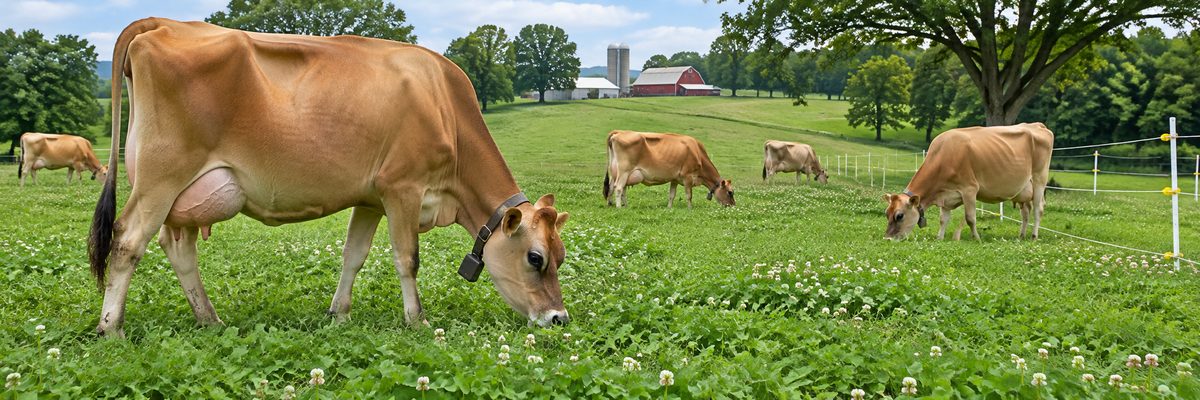
Raw milk comes with a risk that careful farming can lower but not erase. Clean cows, a clean parlor and cold storage reduce the chance of contamination. They do not make it zero, and a farmer who tells you otherwise is selling something. Pasteurization is the step that kills disease-causing bacteria, and raw milk by definition skips it.
The FDA and CDC warn that raw milk can carry bacteria such as Salmonella, E. coli, Campylobacter and Listeria. The groups most at risk are infants, young children, pregnant women, older adults and people with weakened immune systems. That is the reason the rules around raw milk are so varied and so strict in many states.
If you milk for your own household, a herdshare or a permitted farm sale, this article covers what the risk looks like, what testing can and can't do, and which habits do the most good. If you are deciding whether to serve raw milk to guests or children, talk to a doctor, not a dairy website.
What the risk actually is
Milk comes from an animal whose barn is full of manure, whose teats touch bedding and whose udder can carry infection. Bacteria can enter the milk in three main ways:
- From the cow herself. An infected udder or a sick animal can shed pathogens straight into the milk. Mastitis is a common one on any dairy.
- From the barn. Manure, dirty bedding and a dirty udder can contaminate milk during milking, even when the cow is healthy.
- From equipment and handling. Buckets, strainers, hoses and jars that are not properly cleaned and sanitized grow bacteria between milkings.
The FDA's raw milk page describes outbreaks linked to raw milk and raw milk products, including serious complications in children. It also says the health benefits people attribute to raw milk have not been scientifically substantiated. The agency and state health departments are blunt about this, and so is any vet or doctor who has seen a kid with a serious infection.
What testing can and cannot tell you
Lab testing is a useful tool on any dairy. It is not a certificate of safety.
| Test | What it generally tells you | Limits |
|---|---|---|
| Standard plate count | Overall bacterial load, a sign of cleaning and cooling practice. | Does not say which bacteria are present. |
| Coliform count | A hint about manure contamination or equipment hygiene. | A clean result today does not predict tomorrow. |
| Somatic cell count | Udder inflammation and mastitis in the herd or tank. | Not a pathogen test, and individual cows vary. |
| Pathogen-specific tests | Looks for particular bacteria in a sample. | Shedding is intermittent, so a negative can miss a problem. |
| Antibiotic residue test | Screens for drug residues in milk. | Only checks what the test is designed for. |
The pattern to remember is that tests are snapshots. A cow can shed bacteria one day and not the next, and a sample from Tuesday says little about Friday's milking. That is why testing programs are meant to work alongside hygiene, herd health and cooling, not replace them. Many states with permit systems spell out which tests and how often. If yours does not, your veterinarian and an accredited milk testing lab can tell you what is reasonable.
Habits that make a difference
None of these guarantees anything. All of them reduce the load, and they are the same habits that make better-tasting milk.
- Keep the herd healthy. Work with your veterinarian on herd testing, vaccination and mastitis control. Resources from the National Mastitis Council are a good place to start on udder health.
- Keep animals and bedding clean. Dirty udders make dirty milk. Dry bedding and clean stalls or pens pay off in the bucket.
- Wash, wipe and strip. Prep teats properly and check the first streams of milk for clots or flakes. A cow with abnormal milk stays out of the jar until your vet says otherwise.
- Use clean, sanitized equipment. Rinse, wash, sanitize and let it drain and dry. A proper cleaning routine is the same idea at any scale.
- Cool fast and keep it cold. Chilling slows bacterial growth. The principles in bulk tank cooling requirements carry down to the kitchen refrigerator, and storing family cow milk covers the home version.
- Discard milk from treated animals. Follow the label and your vet's instructions on withdrawal times, and never let treated-cow milk leak into the jar.
The cow has no idea she is part of a food safety plan. She will, however, find the one corner of the stall you forgot to rake.
Who should be extra careful
Public health agencies single out young children, pregnant women, older adults and anyone with a weakened immune system. If someone in your household or customer list falls into one of those groups, pasteurization is the control that actually works. You can pasteurize milk at home in small batches with a thermometer, a pot and some patience, and many farm families do exactly that for the household and keep raw milk for no one.
If you sell or share raw milk, tell people the truth about the risk, in writing where your state requires it and even where it doesn't. A signed disclosure is not a substitute for care, but it is a sign that you took the question seriously. Check how raw milk rules differ by state so your practice matches the law where you live.
Mistakes to avoid
- Relying on one clean lab result as proof that milk is safe.
- Milking sick or visibly abnormal animals into the family jar.
- Reusing jars without a proper wash and sanitize.
- Letting milk sit at room temperature while chores take longer than planned.
- Telling customers raw milk "cures" anything. It makes regulators nervous and the claim does not hold up.
Quick answers
Can testing make raw milk safe?
No. Testing helps you spot problems and track hygiene, but it cannot guarantee any given jar is free of disease-causing bacteria. Pasteurization is the step that kills them.
How long does raw milk keep in the fridge?
It depends on how clean it was to begin with and how cold your refrigerator runs. Cleaner, faster-cooled milk generally lasts longer, but milk that smells off, tastes sour or looks abnormal should be thrown out, and a lab or your state agency can give you specific guidance.
Is milk from a healthy-looking cow always fine?
No. Cows can carry and shed bacteria without looking sick, which is one reason pathogens are hard to catch with a visual check. A good herd health program and regular testing lower the odds without removing them.