Grazing, Organic & Small Dairies
Farmstead Creamery Startup Checklist for Small Dairies
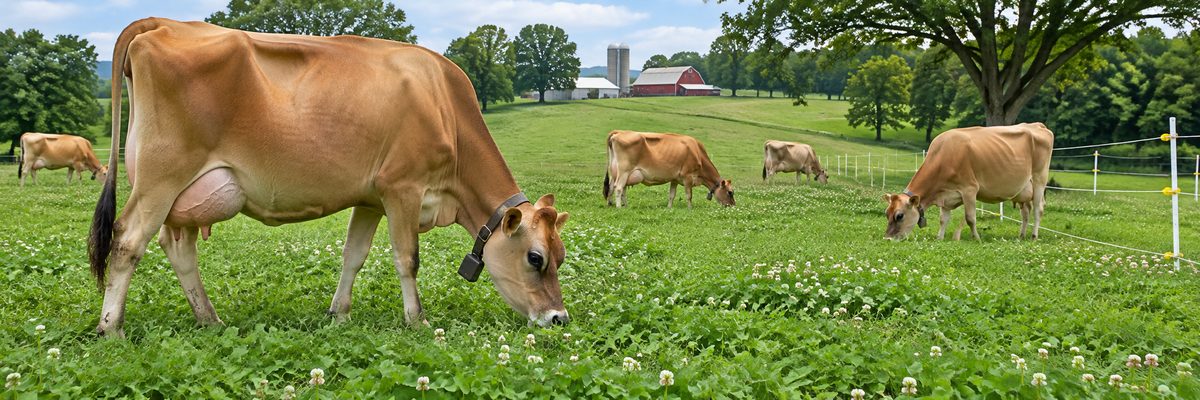
Most farmstead creameries don't fail because the cheese was bad. They fail because the building wasn't approved, the numbers didn't hold, or the owner discovered that making cheese is about ten percent cheesemaking and ninety percent washing things.
The sequence matters. Talk to your state regulator before you buy equipment or pour concrete. Write a plan that includes money and markets, not just recipes. Then build, license, make test batches and only then start selling. The checklist below is organized in roughly that order.
Step 1: Talk to the regulator first
This is the item people skip and regret. Dairy processing is regulated by your state dairy or agriculture agency, usually following federal guidance, and requirements differ widely, including whether you can use raw milk, how long cheese must age, what inspections you face, and what facility you need. Call early, describe what you want to make and ask for the plan review process in writing. For an overview of the process, how to start an on-farm creamery and what to expect when getting a dairy plant license walk through typical stages.
- Which agency licenses the plant, and what does it call the license?
- Is a plan review required before construction?
- Which products are allowed from raw milk, if any, and under what conditions?
- Are there training or certification requirements for the cheesemaker or operator?
Step 2: Define the product and the market
A creamery that makes six cheeses, bottled milk and ice cream in the first year is mostly running a stress test. Pick one or two products you can make consistently. Decide who will buy them: farmers markets, restaurants, retail shops, a farm store, a CSA or a distributor. Each has a different price and different volume demands. Choosing among yogurt, ice cream and cheese is a good exercise before you commit. Then price honestly, using something like how to price farmstead cheese for profit, which includes your labor.
Step 3: Milk supply and quality
Your own herd or flock is the point of a farmstead operation, so the milk has to be good. That means clean milking, fast cooling, a bulk tank that's cleaned properly, a plan for animals under treatment and records for withholding times. If you're making cheese from pasteurized milk, you'll also need an approved pasteurizer, and choosing a pasteurizer for a small dairy is worth reading before you shop. Consider seasonality too: if your cows or goats dry off at the same time, you'll have a gap in production, which is a gap in income.
Step 4: Building and space
A licensed plant generally needs a dedicated, cleanable space separate from living areas, with some combination of the following:
- Smooth, washable floors, walls and ceilings, with drainage that actually drains
- Hand-washing sinks, separate from equipment sinks
- A make room, a cooler or aging space, and storage for ingredients and packaging
- Pest control and proper screening
- Adequate lighting, ventilation and a way to control temperature
Aging cheese has its own needs. If you'll be holding wheels for weeks, setting up a simple aging space covers temperature, humidity and airflow. Remember that a space that works for a home hobby usually does not pass inspection as a commercial plant.
Step 5: Equipment
Buy what your first two products need, not what a catalog suggests. Typical equipment includes a vat or pasteurizer, thermometers and recording devices, curd tools, molds and a press, a sink arrangement approved by your regulator, packaging equipment and cold storage. Used stainless can be a bargain, but have your inspector or a knowledgeable person look at it before you buy, since old welds and dead-end fittings can be sanitation problems.
Step 6: Water, whey and waste
Water has to be safe and is usually tested, and wastewater is a bigger deal than most beginners expect. Cheese makes a lot of whey, and whey has a very high load that's hard on septic systems and the environment if you pour it out. Plan how you'll use it, for example as animal feed where allowed, in ricotta-type products, or through an approved land application plan. Ask your regulator and your environmental agency before you finalize drains and tanks. Pouring whey on the ground behind the barn is not a plan.
Step 7: Labels, records and insurance
- Labels: product name, ingredients, net weight, your name and address, allergen information and other items required under state and federal rules. Check the details with your regulator, and see milk labeling rules for farm bottlers for how strict the process can be.
- Records: batch logs, temperatures, cleaning, supplier receipts and where each lot was sold. These help during an inspection and are essential in a recall.
- Food safety plan: many operations need some form of written food safety plan. Ask which kind applies to you.
- Insurance: product liability is not optional in practice. Talk to an agent who understands food.
- Business basics: entity, tax registration, sales tax rules and local zoning.
Step 8: Test batches, then sell
Make test batches under the conditions you'll use in production. Taste them, track yields, and send samples for testing if your regulator requires it. Run the numbers again with real yield and real labor. If you want a hand with the business side, the Wisconsin Center for Dairy Research describes support for start-ups and small dairy businesses on its entrepreneurship page, and many state extension programs offer cheesemaking and food safety courses. The American Cheese Society, at cheesesociety.org, can connect you with makers who've already been through this.
If you ever need a break from all this seriousness, this farm.FM story about a goat who opens a farm-to-table therapy practice and offers emotional support cheese is a reminder that a creamery's real customer base may include people who need a snack and a sit-down.
Where regions differ
In the Northeast and Upper Midwest, there's a large cheesemaking culture and often more technical support and nearby buyers. In the Southeast, summer heat and humidity add cooling and sanitation challenges. In the Southwest and Mountain West, distances to customers can be long, and the farmers market and direct sales route may matter more. In California and on the West Coast, regulation and labor costs weigh heavily. None of that changes the checklist, but it changes how long each step takes.
Quick answers
How much does it cost to start a farmstead creamery?
It varies enormously with scale, product and how much of a building you already have. Get quotes for the make room, equipment and licensing, add a cushion, and compare the total against the income your market can support.
Do I need a license to make cheese for sale?
Yes, in virtually every state. Selling cheese requires a licensed or permitted facility under your state's dairy or agriculture agency, plus labeling and inspection requirements. Start by calling them.
Can I use raw milk in a farmstead creamery?
Some states allow certain aged raw milk cheeses under specific rules, and others do not. Federal standards also set conditions for raw milk cheeses. Ask your state regulator what applies to your products.