Pasture or Drylot for Growing Heifers
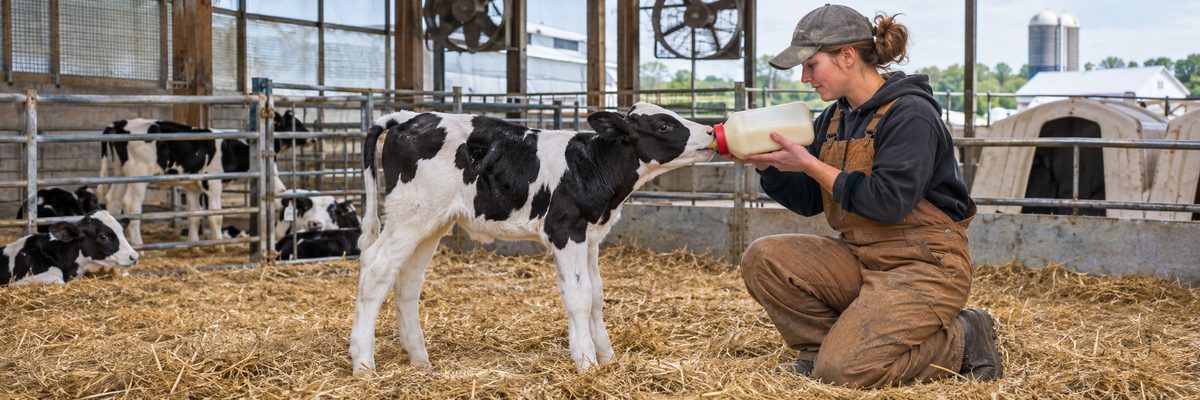
Put a group of heifers on good spring grass and they will look like they have never had a bad day. Put the same group on the same field in August after three weeks without rain and they will look at you like you owe them money. Pasture is cheap when it works and expensive when it does not, which is why the real question is not "pasture or drylot" so much as "which one can you run well, on your ground, in your climate."
The short version: pasture can lower feed cost and is easy on feet and legs, but growth is harder to control and parasites and weather become your problem. A drylot gives you a controlled ration and steady growth for more feed handling, manure and labor. Plenty of farms use both, with pasture for part of the year and a lot for the rest.
Below is how they stack up on growth, cost, health and workload, with some regional notes.
Growth: the thing you cannot afford to lose
Heifers need to hit size targets on a schedule, and the target is calving at 22 to 24 months. Penn State Extension's heifer economics paper names age at first calving as one of the largest factors in heifer cost, so anything that slows growth costs money later. Check the numbers against heifer growth targets by age to see whether your system is delivering.
A drylot makes this easier. You know what is in the ration, you can test the forage, and you can adjust. Pasture is less predictable. Penn State's piece on using pasture to lower feed costs shows grass pasture samples with a wide spread in crude protein, from roughly 8 to 23 percent on a dry matter basis, and fiber from about 46 to 72 percent, most likely reflecting differences across spring, summer and fall. Not accounting for those swings can hurt the health and growth of the non-lactating animals. Heifers that are not growing well lead to later first calving, which Penn State says increases feed costs and can lower first-lactation performance.
The fix on pasture is supplementation and monitoring. Weigh or measure regularly, as covered in weighing and measuring heifers with a tape or scale, and add forage or concentrate when the grass slows down.
Cost: where pasture can help
Feed is the largest part of heifer cost; Penn State's heifer economics paper puts it at around 60 percent of the total. That is why pasture gets attention. In the same Penn State article on pasture strategy, replacing part of the stored forage with grazing for the pasture months, with a concentrate mix fed to all groups, trimmed feed cost by a small amount per animal, which Penn State put at roughly $3,500 to $4,500 for the year on an average-sized Pennsylvania dairy. They are careful about the assumptions: pasture has to be plentiful enough to supply the forage and rations have to be adjusted for changes in pasture quality. If grazing is poorly managed, the savings can disappear, for example if growth and reproduction suffer.
Fence is the one thing a grazing farm always has plenty of and never enough of. Pasture does not remove costs, it moves them. You trade stored feed and manure hauling for fencing, water systems, lanes and the time it takes to move groups. If you are starting from scratch, look at fencing for grazing dairy cows and how to start rotational grazing for the setup work.
Health: parasites, feet and weather
Parasites
Young stock on pasture pick up worms from contaminated ground, and first-season grazers are the most vulnerable. Heavy stocking, wet weather and warm temperatures make it worse, which is why it can be a bigger problem in the Southeast and in wet Northeast summers than in a dry Mountain West paddock. A drylot largely avoids the issue, though it brings its own risks if the pen stays wet and dirty. For pasture, worm control for heifers on pasture and internal parasites in dairy cattle are where to start, and your vet can set up a testing and treatment plan. Dewormer and treatment decisions are the vet's call, including any withdrawal considerations.
Feet and legs
Pasture is easy on feet. Penn State notes that pasture is a great way to get animals off concrete and improve hoof health, though foot rot is not unusual on grazing animals, so routine monitoring is worth it. Mud is the exception; a lane or gateway churned to soup can do more harm than concrete ever did, as mud, wet paddocks and lameness in grazing herds explains.
Flies, heat and bloat
Pasture heifers need shade and clean water, especially in the Southeast and Southwest. Fly pressure is higher on pasture and around feeding areas; see fly control for dairy barns and calf areas. If you graze legumes, bloat is a risk to plan for; bloat on clover and alfalfa pasture covers it.
Side by side
| Factor | Pasture | Drylot |
|---|---|---|
| Feed cost | Can be lower in the grazing season if managed well | Higher, since all feed is hauled and fed |
| Growth control | Variable with season and grass quality | Easier to hold steady |
| Parasite risk | Higher, especially wet and warm conditions | Lower, if pens are kept dry and clean |
| Feet and legs | Generally good, with mud as the exception | Depends on footing; dry dirt is fine, mud is not |
| Labor | Fence, water and moving groups | Feeding, bedding or pen maintenance, manure |
| Manure | Spread by the heifers, but watch near water | Collected, which means hauling and nutrient plans |
| Weather risk | Drought, flooding, heat, winter | Wind, mud, dust, heat without shade |
Pasture also needs a good plan for the grass itself. Look at pasture mixes for dairy cows by region for what grows where.
How regions change the answer
In the Northeast and Upper Midwest, grazing season is a few months, so many farms use pasture in that window and a lot or barn the rest of the year. Penn State's article says pasture can contribute for five to seven months a year on Pennsylvania dairies, which fits that picture. In the Southeast, heat and parasites are the main concerns, though the long grass season is an advantage. In the Southwest and Mountain West, many large dairies use drylots because rainfall is scarce and irrigation water is expensive. West Coast operations vary, with irrigated pastures in some areas and drylots in others.
Consider your climate, your acres, your labor and your cost of stored feed before you decide. A farm with plenty of rented ground, good fences and a herd manager who likes moving groups will do well on grass. A farm with no spare acres, scarce water and big herd numbers will find a drylot easier to run.
A middle path
Many farms graze younger heifers in the season, keep close-up or bred heifers where they can be watched, and put weaned calves in a clean lot or barn with controlled feeding. Breeding-age heifers often do well on pasture with supplement because their growth targets are more forgiving than those of a young calf. Heifers are also experts at finding the one paddock they are not supposed to be in. Whatever mix you choose, give each group the attention it needs, and keep records so you can tell whether it is working.
Quick answers
Is it cheaper to raise heifers on pasture?
It can be, since pasture replaces some stored feed during the grazing season. But savings depend on good grass and good management, and poor growth can erase them by pushing back first calving.
What is the biggest risk of raising heifers on pasture?
Variable growth and parasites are the main ones. Grass quality swings through the season, and young stock on contaminated pasture can pick up worms. Monitor weights and work with your vet.
Do heifers in a drylot need shade?
Yes, in hot regions especially. Shade and clean water matter in the Southeast and Southwest, and in any climate heifers in a drylot do better with dry footing and some wind protection.