Calf Records That Pay Off: What to Track and Why
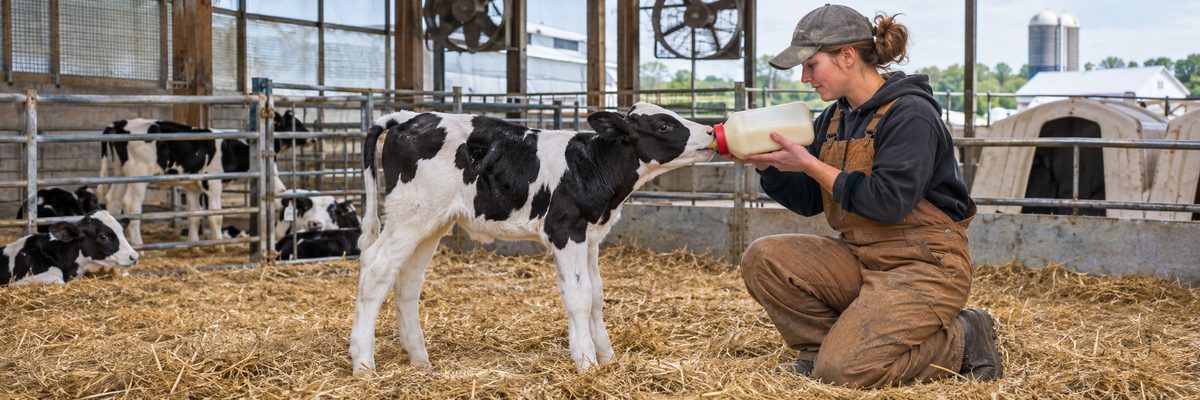
Everyone thinks they'll remember which calf got treated on Tuesday. Nobody does. By Friday there are three calves that look alike, two people who each think the other one did something, and a whiteboard that got wiped when somebody needed a place to write the feed order.
Calf records don't need software, a barn computer or an hour of your day. They need a handful of facts written down the same way every time, in one place everyone uses. Track birth, colostrum, treatments, growth and outcomes, and you'll have what you need to find out where calves are being lost, which heifers are worth keeping, and whether the calf program is paying for itself.
Why bother
Calves are the future milking herd, and the first weeks decide a lot about how they'll do later. Without records, you're guessing whether a bad month was bad luck or a pattern. With them, a spike in scours in the third week of a given month lines up with a new batch of milk replacer, a change in who feeds, or a hutch that wasn't cleaned between calves. Records turn "it seems like we've had a lot of sick calves" into a number you can act on.
They also help with the less obvious jobs: spotting which cows have trouble calving, which sires leave calves that struggle, and whether a calf that was treated twice before weaning is the one you want as a replacement.
The basic record, calf by calf
Start with identification, and make it permanent. Every calf gets an ear tag or ID at birth, and the number goes on every record. Then track:
- Birth details. Date, dam's ID, sire, sex, calving ease score, whether it was a twin, and birth weight if you take it.
- Colostrum. Time of first feeding, how much, and how it was fed. If you check colostrum quality with a refractometer, write down the reading; the method is in testing colostrum quality with a Brix refractometer.
- Passive transfer. If you blood test calves a day or two old, record the result. The process in checking calves for failure of passive transfer turns those numbers into a herd-level report card.
- Navel care and early checks. A tick box is enough, as long as it gets ticked.
- Health events. Date, what the calf had (scours, pneumonia, navel infection, anything else), what you did, who did it, and the outcome. For any treatment involving drugs, note what was given and the withdrawal period according to the label or your vet's instructions. If a calf is sold or enters the food chain, those dates are the ones that matter. Your herd vet should be the one setting treatment protocols.
- Vaccinations. What was given and when, tied to your calf vaccination schedule.
- Feeding. Milk or replacer program, starter introduction, and weaning date.
- Growth. Weights or heart girth measurements at a few set ages, like birth, weaning and a couple of points after.
- Group moves and outcomes. Dates she moved from hutch to group pen, and eventually whether she was kept, sold or died, and why.
That sounds like a lot, but each entry takes seconds if the form is set up right. The trick is making it quicker to write it down than to skip it.
Keep it simple enough to survive a busy morning
A system nobody uses is worse than a clipboard that everyone uses. Pick the format that fits the people doing the work:
| Format | Works well when | Watch out for |
|---|---|---|
| Calf card on the hutch or pen | One or two people feed, and the card stays with the calf. | Cards that get wet, chewed or lost. |
| Pocket notebook or clipboard | A small herd and a single calf manager. | Handwriting nobody else can read, and no backup. |
| Spreadsheet | You want totals and averages without buying software. | Someone has to enter it at the end of the day. |
| Herd management software or app | Larger herds, several feeders, and a need to link to cow records. | Training time, and entries that go missing when the barn Wi-Fi doesn't reach. |
Whichever you choose, one rule applies. Write it down when it happens, not at the end of the day. And have one person responsible for making sure it gets entered in the main record. If you're building a broader system for the whole herd, dairy record keeping: what to track and where shows how calf data fits alongside cow records.
The only PTA most calf records ever mention is the genetic kind, which makes this farm.FM story about a calf joining the local PTA and demanding grass-fed vending machines a refreshing change. Your own records can skip the vending machine demands and stick to birth dates and treatment logs.
Numbers worth calculating
Once you have a few months of data, a handful of simple summaries do most of the work:
- Preweaning death loss. Calves that died before weaning divided by calves born alive. Industry groups publish target ranges for this, and the Dairy Calf and Heifer Association is a good source for comparison.
- Treatment rate. Calves treated at least once, divided by calves born. If this creeps up, find out what changed.
- Passive transfer success. The share of calves with adequate blood results. If it's low, look at colostrum timing and quality first.
- Average daily gain. From weights at birth and weaning, and later checkpoints. It shows whether your feeding program is delivering. The related growth benchmarks are in heifer growth targets by age.
- Illness by month and by caretaker. Not to assign blame, but to spot a pattern. If it's always the same weekend shift, it's probably a procedure problem, not a people problem.
Look at these monthly. Don't wait for a bad week to open the book.
Using the records on heifers that grew up
The payoff comes later. When a heifer is a candidate for the replacement pen, her calf record tells you whether she needed constant treatment or sailed through. If you genomic test heifers or make culling decisions at breeding age, early health and growth history belongs in that picture. Records also give you something concrete to bring your nutritionist and vet, and a real answer when someone asks how your calf program is doing.
Mistakes to avoid
- Using different ID systems in the hutch and in the herd program, so nobody can match them.
- Recording treatments but not outcomes.
- Collecting weights once and never comparing them with a target.
- Letting records live only in someone's head or phone, with no backup.
- Tracking so much that no one fills it out. Start small and add fields later.
Quick answers
What is the minimum I should record for each calf?
ID, birth date, dam and sire, colostrum feeding, any treatments with dates, weaning date and the outcome. Add weights and blood test results as you go.
Do I need software to keep calf records?
No. A card, a notebook or a spreadsheet works fine if it's used consistently. Software helps once more people and more calves are involved.
How long should I keep calf records?
Keep them at least until the animal leaves the herd, and longer for anything with treatment history that matters for milk or meat withdrawal. Ask your vet and lender about retention for your operation.