Grazing, Organic & Small Dairies
Mud, Wet Paddocks and Lameness in Grazing Herds
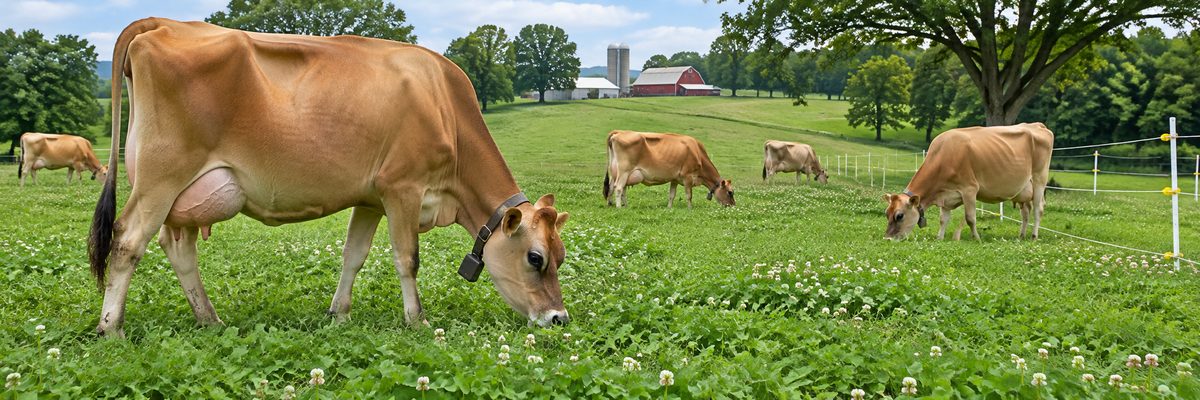
Every grazing dairy has one spot where the herd turns grass into soup. It is usually the gateway to the best paddock, it is usually at the bottom of a slope, and it usually shows up the week the hay supply runs thin. Mud is not just an ugly cow-coat problem. It softens hooves, hides sharp rock, dirties udders and tears up the sod you were counting on for regrowth.
The short version: fix the places where cows concentrate (lanes, gates, water tanks), give them a firm path even when the pasture is wet, and be willing to shorten paddock stays or pull cows off to a stand-off area when the ground can't take them. Then watch walking, because lameness shows up in the gait before it shows up in the milk tank.
Here is how to sort the wet-weather work by priority.
Where the mud really starts
Cows don't wreck a whole paddock evenly. They wreck the same few square yards, over and over: the gate, the lane entrance, the area around the waterer, the spot where the mineral feeder sits, and the path they trace to the parlor. University of Kentucky engineering extension makes the point that heavy-use areas such as feeders, gates, mineral sites and waterers belong on a slight rise, not in a bottom or along a ditch. Place them on high ground and you only deal with the rain that falls on them, not the water running through from the rest of the field.
If you already have the tank in the low spot, you can't pick it up and move the creek, but you can move the tank. Portable tanks that shift every few days spread out the damage, and a ring of wood chips or rock around a permanent one keeps the edge from turning into a swamp. (Cows will find the muddiest possible approach to a tank and stand in it. This is not a mystery. This is just cows.)
Build the lane for the worst day, not the best
A good lane lets you move the herd quickly and without injury when everything else is soaked. A Wisconsin extension agent, speaking at a grazing pasture walk and quoted in Progressive Dairy, recommended lanes around 16 feet wide with a well-built 4-foot strip along one side, using breaker rock, lime screenings and gravel, or concrete, so there's always a dry track even in the worst weather. The idea is simple: cows walk the firm strip, and the rest of the lane can take a beating.
A few details that pay off:
- Fabric under the rock. Kentucky's advice is to separate the soil from the stone with non-woven geotextile fabric, overlap the seams a foot or two, and cover with compacted dense-grade aggregate. Without the fabric, the rock slowly sinks into the mud you were trying to beat.
- Slow the water down. On slopes, the extension agent suggested water bars: low humps a few inches high, set across the lane at a slight angle so runoff gets diverted instead of racing down the middle. Spacing depends on slope and soil, so ask your local NRCS or extension office.
- Mind the surface. Where the cows turn, a rough-finished concrete pad outlasts gravel. Kentucky's guidance calls for a finish rougher than a sidewalk to protect hips and joints. Smooth concrete in wet weather is an invitation to a splits injury.
- Keep sharp stuff out. Fresh crushed rock with sharp edges is hard on sole bruising. Pick stone that packs down and wears smooth, and ask the quarry what they'd put under cattle.
If the lane layout itself is the problem, laying out cow lanes and water covers where they should run in the first place.
Paddock decisions in a wet spell
Pasture is a crop. Walk on it wet and you compact the soil, kill the grass crowns and set yourself up for weeds and a slow summer. When rain keeps coming, the options usually look like this:
- Shorten the stay. Moving after every milking, or even half a paddock at a time, spreads the traffic and keeps cows off bare ground.
- Use a sacrifice or stand-off area. A small, well-drained, well-built pad for the worst days saves the rest of the farm. Cows get fed hay or baleage there and go back to grass when the ground firms up.
- Move the muddy gate. Use temporary gates and polywire openings so you can shift the entry point and let the old one dry and regrow. Permanent gates in wet ground are a lifetime sentence.
- Supplement with stored feed. Cows pulled off wet pasture need dry matter somewhere. A dry spot to feed baleage, with a firm base so they're not standing in slop, helps. See winter feeding plans for a pasture-based dairy for the logistics.
Leave a grass buffer between heavy-use spots and waterways. The same Wisconsin source suggested a buffer of at least 25 feet on flat ground, wider on steeper slopes. Grass filters runoff far better than bare dirt does, and it keeps the neighbor downstream from calling you.
What mud does to hooves, udders and cell counts
Constant wet softens the hoof horn, which makes soles easier to bruise and abrade, and cows walking on rocky lanes while their feet are soft are asking for trouble. The grazier in the Progressive Dairy piece reported more feet and leg problems with mud on rocky ground, and a rise in somatic cell count when the ground was wetter. That fits with what most grazing dairy farmers see: wet cows with dirty teats tend to carry more mastitis risk, and spring mud and clean teats goes into the milking-side routine for it.
On the foot side, a wet lane and a slurry-wet holding area can also feed infectious hoof problems like digital dermatitis. If you see cows hunching, shifting weight or stepping short, don't wait to see whether it passes. A basic read on what causes lameness will help you figure out whether it's the lane, the hoof, or something more serious, and the herd vet or a trained hoof trimmer can tell you the rest.
A simple wet-weather walking check
- Watch the herd leave the parlor, not just enter it. A cow that walks fine on concrete may not on rock.
- Look for head bob, short strides, arched backs and cows lagging at the back of the group.
- Write down the cow number when you see it. Memory is great until the third rainy day.
- Pull limping cows for a closer look sooner rather than later, and treat only under your vet's direction.
Regional notes
In the Northeast and Upper Midwest, mud comes with spring thaw and fall rains, and frozen-then-thawed lanes are the worst. Plan the firm lane before the thaw, not during it. In the Southeast, summer thunderstorms and heavy clay mean the wet season can hit in the hottest weeks, so lane drainage matters as much as shade. In the Pacific Northwest and parts of the West Coast, long wet winters make a stand-off pad close to the parlor nearly a necessity. Heavy-use pads in the arid Southwest are about dust and compaction more than mud, but the same placement logic holds.
If you're getting cost-share help from NRCS for lanes, heavy-use area protection or watering systems, ask your local office what's open in your state. Programs and rules change, and they differ by county.
Quick answers
How long should cows stay in a paddock when it's wet?
Shorter than you think. Many grazing farms move more often or break paddocks into smaller strips when the ground is soft, so cows spend less time churning one patch. If hooves are sinking past the hoof wall, it's time to move them or pull them to a stand-off pad.
What is the best surface for a cow lane?
A lane with a firm base of compacted aggregate over geotextile fabric, with a smooth-wearing stone on top, holds up well, and rough-finished concrete earns its keep where cows turn, drink and bunch up. Local rock and soil vary, so get a quote and a recommendation from your NRCS or extension office.
Can mud cause lameness in dairy cows?
It contributes. Wet, softened hooves are easier to bruise, and dirty conditions favor infectious hoof problems. Any cow that is obviously lame deserves a look from the herd vet or a trained hoof trimmer.