Calf Coats: Are They Worth the Money
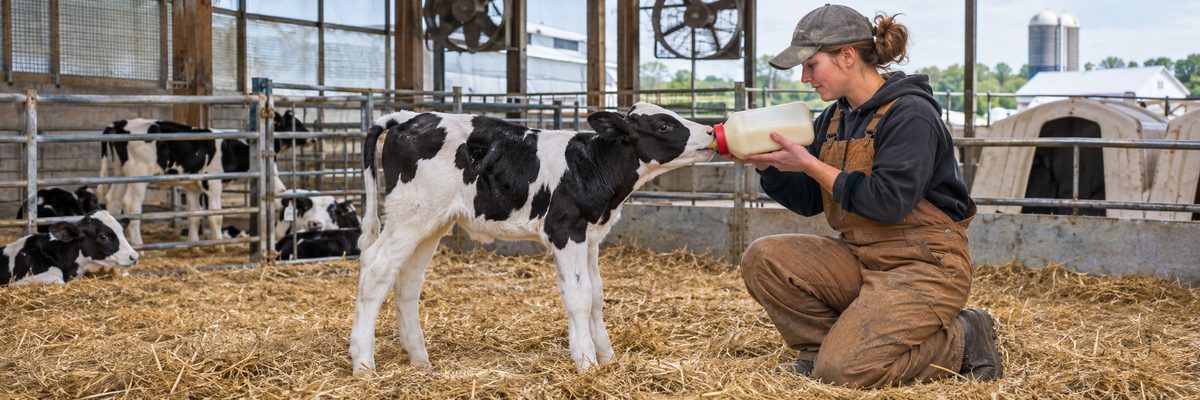
Every fall someone at the co-op, the feed store or the Saturday morning coffee counter is selling calf coats, and every fall someone else says calves have been born in snowbanks since before anybody invented a zipper. Both people are partly right. A coat is a piece of insulation, and insulation only pays when the calf is actually losing heat and the coat is clean and dry.
The short answer for cold-climate dairies is that coats are usually worth it for young calves during the coldest part of the year, if you have the labor to wash and dry them between calves. They're usually not worth it in a warm climate, on older calves, or on a farm where the coats end up in a manure-crusted heap by the door.
The coat isn't magic. It adds to a good bed, a dry hutch and enough milk, but it won't fix a bad one.
What a coat does
A newborn calf has little body fat and a thin hair coat. When temperatures drop, she burns energy to stay warm, and that energy comes at the expense of growth and, potentially, immune function. A coat reduces heat loss, particularly from the wind and the chill of a bare back. The Dairyland Initiative at UW-Madison mentions that a clean calf jacket can be added for extra warmth on top of deep straw bedding in winter hutches.
I'll be honest about the evidence: I haven't pulled a specific study for this article, and published results on jackets vary with climate, calf age and feeding program. In general, the benefit shows up in the coldest conditions and for the youngest calves. Don't expect a coat to turn a poorly fed calf into a thriving one.
Where coats pay and where they don't
| Situation | Coat worth it? | Why |
|---|---|---|
| Upper Midwest or Northeast, newborn calf, hard cold | Usually yes | Cold stress is common, and a coat reduces heat loss |
| Mountain West with big day-night swings | Often, with care | Cold nights help; warm afternoons mean taking it off |
| Calf in a well-bedded, draft-free barn in mild weather | Rarely | Less heat loss to prevent |
| Southeast or Southwest, most of the year | No | Heat is the bigger problem |
| Older calves with a winter hair coat | Seldom | They're better insulated and can handle more cold |
| Wet, muddy conditions with no way to wash coats | Think twice | A wet coat chills the calf and holds germs |
The cost side, honestly
The price of the coat is the easy part. The full cost includes:
- The coats themselves. You need enough that a clean one is always ready. A rotation of two or three per hutch space is common.
- Washing and drying. Washer and dryer time, detergent, and somebody's hour. If you only own one washer and it's also the parlor towel washer, that's a bottleneck.
- Replacement. They tear, they get chewed on by a neighboring calf, and they walk off.
- Extra work at each calf's chores. Putting a coat on a wet, wiggly calf is a skill, and taking it off on a warm afternoon is a chore someone forgets.
To figure the payback, write down your cold-season calf numbers: how many calves are born in the coldest months, how many were treated for scours or pneumonia, and how many grew slowly. Then compare what a handful of extra treatments or a few weeks of slow growth costs to what the coats and labor cost. Tracking the right calf records makes that comparison possible. Without records, the decision gets made on opinions, and everyone in the barn has one.
When coats backfire
- A wet coat. A coat that's soaked with rain, urine or milk holds cold against the calf. Replace it with a dry one.
- A dirty coat. Coats carry manure and germs. Putting an unwashed coat from a scouring calf on a healthy newborn is passing along the problem.
- Too warm. On a sunny afternoon, a calf in a coat can overheat. Take it off when the weather warms.
- A bad fit. Loose coats slip and tangle legs; tight coats restrict movement. Pick sizes that suit your breed, from Jersey calves to Holsteins.
- Using it instead of bedding. A coat on a calf lying on a bare floor is a half-fix. Check the bed with the nesting score first.
How to use them well
- Dry the calf first. Never put a coat on a wet newborn.
- Feed colostrum and get her warm before relying on the coat.
- Fit it snugly around the body, with the legs free and the straps comfortable.
- Check coats at every feeding for wetness, rips and contamination.
- Remove them as the weather warms or as the calf ages and grows her own coat.
- Wash and fully dry each one before it goes on another calf, and keep sick-calf coats separate.
Washing is the step most often skipped, and it overlaps with the routine in cleaning and resting hutches between calves. If you're sanitizing the hutch and putting the same dirty coat back on the next calf, you've done half the job.
What coats can't replace
Coats help calves stay warm, but they don't replace energy. A calf in cold weather needs more feed than a calf in mild weather, and that's where most of the winter payoff lies. If you're weighing the coat budget against the milk budget, the milk usually wins. Keeping newborn calves warm in winter covers the whole plan, from drying the calf to feeding extra energy.
Also consider where each calf lives. Coats make the most difference for calves in hutches or open-sided housing. Calves in a deeper-bedded, well-managed barn may need them less. The same thinking applies to hutches versus group pens.
Where to read more
The Dairyland Initiative's nursing calf housing page discusses bedding and jackets for winter hutches. Penn State Extension's dairy page has calf and heifer articles, and your own vet can help judge how much cold stress your calves are really under.
Quick answers
At what temperature should calves wear coats?
There's no single cutoff, because wind, wetness and the calf's age all matter. Coats are most useful for young calves in cold, windy or wet weather, and unnecessary when it's warm. Take them off when the weather warms up.
How long should a calf wear a coat?
Many dairies use them for the first few weeks, when calves are most vulnerable, and drop them as the calf grows and the weather moderates. Adjust based on the weather and how the calf looks.
Can calf coats spread disease?
Yes, if they aren't washed and dried between calves. Keep a rotation so each calf gets a clean coat, and wash any coat that touched a scouring calf before it goes on another.