Best Bedding for Calf Hutches: Straw, Sand or Shavings
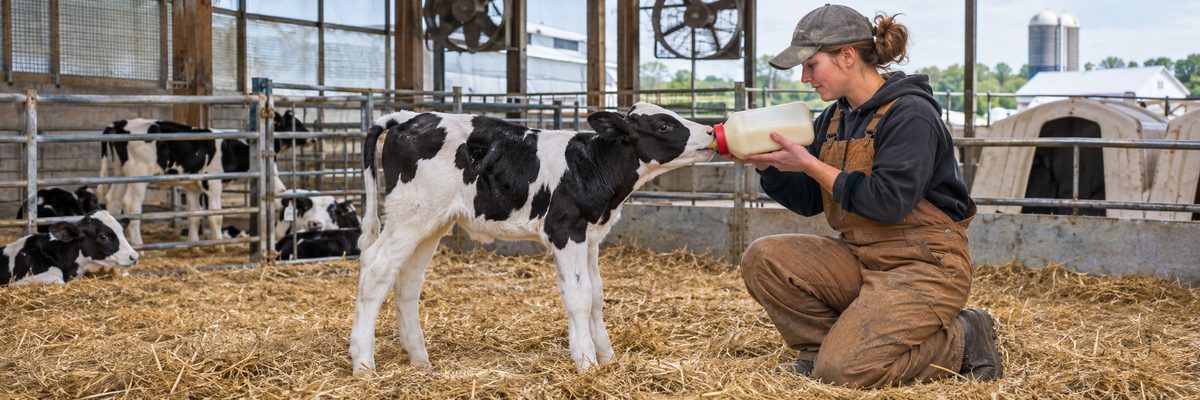
For most calf hutches, straw is the best all-round choice because calves can nest down into it, and it holds warmth in cold weather. Sand stays cleaner and cooler and works well in hot climates, but it can chill calves in winter. Wood shavings are absorbent and handy, but they do not insulate as well as straw. The right pick depends on your weather, your supply and what you can keep dry.
Whatever you choose, the real test is not the material. It is whether the bedding is dry. Wet bedding of any type chills calves, grows bacteria and sets up scours and pneumonia. A calf lying on damp sand or damp straw is not much better off than one lying on the ground.
Bedding is also the most argued-about subject in the calf barn after milk replacer. Everyone has a strong opinion and a story about a calf that did great on something unusual.
What bedding has to do
Good calf bedding does several jobs at once.
- Insulate. A newborn calf has little body fat and loses heat easily. Bedding should help her hold warmth.
- Stay dry. It should soak up moisture or let it drain away from the calf.
- Stay clean. Calves should not be lying in manure, and the bedding should not harbor germs.
- Provide traction and comfort. A calf needs to get up and lie down easily.
- Be affordable and available. A great bedding that you cannot get in January is not a great bedding.
Straw
Straw is the traditional choice, and for good reason. Long, loose straw lets a calf nest in, with the legs tucked below the bedding. That nesting action traps warm air around the calf, which is important in cold weather. The calf can burrow down, and the straw does the rest. You can check how well it is working with nesting scores, which look at how much of the calf's legs are hidden in the bedding.
Pros: warm, comfortable, good for nesting, easy to add more on top, familiar and widely available in grain regions.
Cons: can be dusty or moldy if stored badly, lower absorbency than shavings so it needs fresh additions, supply and price swing with the crop like a feed salesman's mood, and it can be hard to find in some parts of the country. In the Upper Midwest and Northeast, straw is often easy to get. In the Southwest and some dry regions, it may need to be hauled in, and the price shows it.
Use clean, dry, bright straw. Musty or moldy straw is a respiratory problem waiting to happen.
Sand
Sand is clean, drains well and does not support bacterial growth the way organic bedding does. It stays cool, which is a plus in hot climates and a problem in cold ones. Many large dairies in the Southwest and the West use sand in hutches on gravel pads in summer.
Pros: clean, drains freely, cool in summer, fewer bacteria than organic materials, good for hot and humid regions.
Cons: cold in winter, does not insulate, can chill young calves, and heavy to handle. It also ends up in your boots, your truck and, somehow, your lunch. It can also be abrasive and hard on equipment. Some farms mix a layer of straw on top of sand in cold weather to give calves something to nest in. Be careful about letting calves eat it; ask your vet if you see calves eating sand.
Sand tends to work best for older calves and in warm weather. Newborns in a cold hutch need more insulation than sand alone provides.
Wood shavings
Shavings and sawdust are absorbent and clean, and they are easy to handle if you have a local sawmill or a good supplier. They are less insulating than straw and do not allow the same deep nesting.
Pros: absorbs moisture well, easy to spread, less dusty than some straw, can be cheap if you have a local supply.
Cons: lower insulation than straw, can be dusty if very fine, and quality varies. Make sure the product is dry and free of contamination. Check with your supplier about the wood type and any treatments. Fine dust can bother calf lungs, and a pile left in the rain can mold.
Side-by-side
| Factor | Straw | Sand | Shavings |
|---|---|---|---|
| Warmth for cold weather | Best | Poor | Fair |
| Cool in hot weather | Fair | Best | Fair |
| Drainage and cleanliness | Fair; needs frequent additions | Very good | Good absorbency |
| Allows deep nesting | Yes | No | Limited |
| Typical cost pattern | Varies with crop and region | Often low where local sand is available | Varies with local mill supply |
| Dust concerns | Moderate | Low, but sand abrades | Depends on grade |
Costs swing so much between regions and seasons that a dollar figure here would be out of date by the time you read it. Get quotes from two or three suppliers, and compare cost per calf rather than cost per ton.
Regional fit
- Upper Midwest and Northeast winters: deep straw, usually, because warmth matters most. See keeping newborn calves warm in winter.
- Southeast heat and humidity: sand or shavings on a well-drained pad, plus attention to flies. Wet, hot bedding is a fly factory, as covered in fly and humidity control for calf hutches in the Southeast.
- Southwest and West: sand is common in summer, with shade and airflow, and straw or a straw topper in cooler months.
- Grazing regions with wet springs: whatever drains best, plus a gravel base. Wet bedding on mud is a bad combination.
The knee test
The simplest check costs nothing. Kneel down in the hutch on the bedding for about 20 seconds. If your knee comes up wet, so is the calf. Go through each hutch the same way. A calf that is wet is cold and at risk, no matter how good the bedding looked when you put it in.
Add fresh bedding often, remove wet or manure-soiled spots, and fully clean out hutches between calves. Cleaning and resting calf hutches between calves covers that routine. Nothing beats a clean start, and no bedding fixes a hutch that never gets emptied.
A practical approach
- Choose the main bedding that suits your climate and supply.
- Match depth to the season. Deeper in cold weather, lighter in hot.
- Top up regularly, and remove wet bedding promptly.
- Use the knee test and nesting score to check.
- Keep stored bedding covered, dry and off the ground.
- Rotate hutch locations and rest the ground, as discussed in where to put calf hutches.
For more on calf housing and bedding research, University of Wisconsin dairy extension is a good place to look.
Quick answers
Is straw or sand better for calf hutches?
Straw is usually better in cold weather because calves can nest in it, while sand works well in hot weather and drains cleanly. Many farms use straw in winter and sand or shavings in summer.
How often should I change calf hutch bedding?
Add fresh bedding as often as needed to keep the surface dry, which is often daily in wet or cold weather. Remove wet or soiled bedding promptly, and do a full clean-out between calves.
Can I use wood shavings for newborn calves?
Many farms do, but shavings insulate less than straw, so in cold weather you may want extra depth or a straw layer on top. Use dry, clean shavings, and check with your supplier about the wood type and any treatments.