Calf Care in Desert Heat: Shade, Water and Airflow
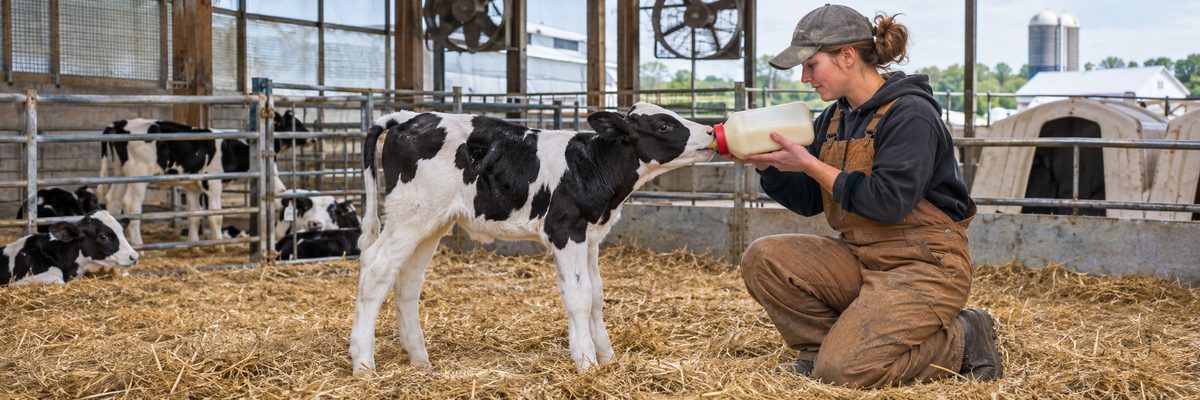
A calf hutch in the Arizona sun in July is a plastic oven with a calf inside. The surface of a bare dirt pen can be hotter than the air above it, the black water line is delivering something close to tea, and the calf has no way to leave. She can't move to the shade because there isn't any, and she can't sweat her way out of trouble the way a person can.
The good news is that most of the fixes are cheap and old-fashioned. Shade first. Then water, which needs to be cool, clean and always there. Then airflow, so the heat the calf gives off has somewhere to go. If those three are right, most hot-weather calf problems get a lot smaller.
The bad news is that a hutch row that was fine in May can turn into a problem in a week, so you have to look at it with a calf's eye view, which means sitting in one for a minute.
Why heat is hard on calves
Heat stress isn't just a cow problem. Calves lose water quickly in hot weather through panting and, if they scour, through manure. They eat less starter when it's hot and may drink less milk. A calf that's dehydrated and under-fed grows slowly and is more likely to get sick, and heat compounds every other problem on the farm.
In the Southwest, the heat is often dry, which helps because evaporative cooling works well. But it comes with dust, strong sun reflecting off bare ground and, in parts of Arizona and New Mexico, a humid monsoon stretch in the late summer when the usual cooling tricks stop working as well. The Dairyland Initiative at UW-Madison notes that hutches are favored by smaller herds and large western dairies, so this advice applies to a lot of dairies in the region.
For the adult-cow side of the same problem, cooling cows in Arizona and New Mexico summers covers the region's patterns.
Shade first
Put shade over the hutches rather than relying on the hutch itself. A roof of shade cloth or a simple structure, raised well above the hutch so air moves between the two, cuts the direct sun without trapping heat. Shade cloth draped tight over the hutch is a common mistake, because it can form a heat blanket.
- Use light-colored hutches where possible. Dark plastic soaks up sun.
- Face hutch openings to catch breezes and away from the afternoon sun. Placement guidance is in where to put hutches for airflow and drainage.
- Prop the back of the hutch up a few inches, or use vents, so air can move through. Check with the hutch manufacturer about safe ways to do this.
- Give calves a shaded outside pen area, so they have somewhere to go besides the hutch.
Water: cool, clean and plentiful
Water is the single biggest hot-weather lever. Calves need free-choice water from day one, and they need more of it when it's hot. The reasons for that are laid out in why newborn calves need fresh water from day one.
- Shade the buckets and the water lines. Black hose in the sun delivers hot water. Bury or shade it where you can.
- Dump and scrub often. Warm water grows algae and slime quickly. A bucket that looks green is a bucket a calf will avoid.
- Refill more than once a day. Calves empty buckets faster than you expect.
- Watch for tipped buckets. A calf in a hot hutch with an empty bucket is in trouble within hours.
If a calf is scouring in hot weather, dehydration can get serious quickly. Learn the signs in gauging calf dehydration, and call the vet early.
Airflow and bedding
Calves in hutches need air moving across them. If the hutch sits in a corner behind a solid wall, no amount of shade will help. Space hutches so the air can pass between them, and don't tuck a row against a windbreak that was designed for winter.
In calf barns, fans over the pens can help. Barn ventilation in hot weather takes a different approach than in winter, and the Dairyland Initiative notes that in warm weather sidewalls should be opened completely. For the background, see ventilating a calf barn.
Bedding in summer is about being clean and dry. The Dairyland Initiative notes a dry, clean bed of straw, sawdust or shavings is fine in summer, so you don't need to bed deep for warmth. Take out wet spots daily. Wet bedding in heat grows bacteria and attracts flies.
Be careful with water. Sprinklers and misters can cool older, group-housed calves in some setups, but soaking the bedding of young calves is asking for trouble. If you use water for cooling, keep it off the beds and let the air do the work.
Feeding in the heat
Calves in hot weather often eat less, but their needs don't go away. Some practical steps:
- Feed milk or replacer at the usual temperature and check mixing. Hot water can scorch milk replacer. See mixing milk replacer: temperature, ratio and consistency.
- Feed in the cooler parts of the day where you can, and make sure milk doesn't sit in the sun.
- Keep fresh starter available and replace stale or wet starter, since it spoils fast in heat.
- Ask your nutritionist whether your milk program needs adjusting for the season.
Signs a calf is struggling
- Fast breathing, open-mouth panting or drooling
- Standing apart, listless or reluctant to rise
- Drinking little, or not touching starter
- Sunken eyes or a slow skin tent
- Scours with any of the above
A calf like this needs a vet, not a wait-and-see. Move her to shade, offer clean cool water and call. Don't try to cool her suddenly with ice-cold water over her whole body without advice from the vet.
Where to read more
The University of Arizona's Cooperative Extension is a good first stop for local conditions, and the University of Minnesota Extension has a page on heat stress in dairy cattle that explains how heat load works. For housing, the Dairyland Initiative's nursing calf housing page covers hutch setup.
Quick answers
How hot is too hot for dairy calves?
Calves begin to feel heat stress well below the temperatures that bother people, and humidity, direct sun and lack of airflow make it worse. If a calf is panting, drinking heavily or eating less, treat it as heat stress and act before the afternoon peak.
Should I use sprinklers on calves?
Be careful. Wetting bedding in a hutch can cause more problems than it solves. Shade, water and airflow are the safer first steps, and your vet or extension agent can advise on cooling older group-housed calves.
Do calves need shade even in a barn?
If a calf barn has a roof and open sides, it provides shade, but it can still get hot and stuffy. Check airflow at calf level, since a stagnant barn can be worse than an open shaded pen.