Newborn Calf Care Checklist for the First 24 Hours
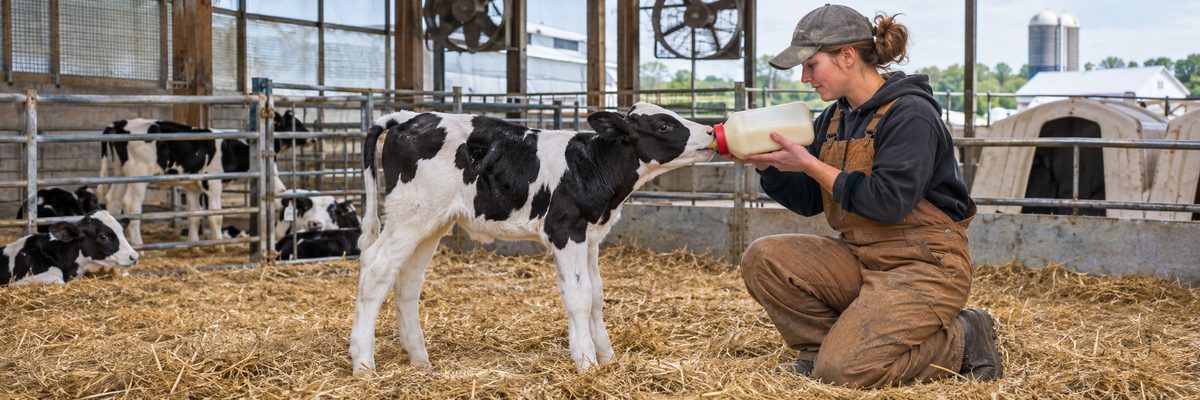
The first day decides a lot. A calf that gets breathing, warmth, a dipped navel and enough clean colostrum within the first hours usually has a good start. One that misses any of those can spend the next month needing extra attention. The trouble is that calves are born at inconvenient times, usually when you are tired, and it is easy to skip steps.
That is why a checklist helps. Put it on the wall of the maternity area or the calf barn, laminated, because paper does not survive a dairy barn for more than about a week. Let anyone who finds a new calf follow it in order. The order matters. A calf that is not breathing does not need her navel dipped yet, and a calf that is cold will not digest colostrum well.
Here is the sequence most dairies follow, with notes on why each step matters and what to watch for.
The first 24 hours, in order
Minutes 0 to 15: breathing and airways
- Check that the calf is breathing. Clear mucus from the nose and mouth if needed.
- Rub her with a clean towel or straw to stimulate breathing and begin drying.
- If she is not breathing after clearing the airway, get help and call your vet. Do not waste time. When to assist a calving cow or call the vet covers when to step in at birth.
Minutes 15 to 30: move and warm
- Move her out of the calving pen to a clean, dry, draft-free place, such as a calf hutch or a clean pen. Many dairies remove the calf from the cow soon after birth, and practices vary by herd.
- Dry her thoroughly. A wet calf in cold air loses heat fast.
- In cold weather, use a warming box, heat lamp with caution, or a calf coat. Keeping newborn calves warm in winter has details for Upper Midwest and Northeast conditions. Heat lamps are a fire hazard, so secure them well and follow your insurance and fire-safety guidance.
- In hot climates, shade and airflow matter more than blankets, and calf care in desert heat shows how to keep calves cool.
First hour: navel
- Dip the navel in an appropriate disinfectant soon after birth, covering the entire cord and stump. Navel dipping: what to use and when to do it covers the options and timing.
- Use a clean dipping cup, not one that has sat in the dirt. A dirty cup is worse than no cup.
First two hours: colostrum
- Collect clean colostrum from the dam or use tested, stored colostrum from your bank.
- Feed a first meal of roughly four quarts for a typical Holstein, less for smaller breeds, within the first couple of hours. How soon to feed colostrum explains why.
- If the calf will not drink, consider tube feeding by a trained person. Tube feeding versus bottle feeding compares the options.
- Record the time, amount and quality reading.
Hours 2 to 12: settle and observe
- Check that she is up, alert and bright. A calf that is dull, lies flat or does not respond to stimulus needs a closer look.
- Check body temperature if you are worried. A calf that feels cold needs warming and a vet call.
- Provide a clean, dry bed. Deep straw or other bedding lets calves nest and stay warm. See nesting scores to judge depth.
- Offer fresh, clean water. Calves need access to water from the start, and why newborn calves need fresh water from day one explains why.
Hours 6 to 12: second feeding
- Give a second colostrum feeding, typically several hours after the first and within the first twelve hours.
- Watch her suckle and swallow. A weak calf may need another approach.
Hours 12 to 24: identification and records
- Tag the calf, record birth date, dam, sire, sex, weight if possible and any calving difficulty.
- Note colostrum feedings: time, amount, source, quality and method.
- Check the navel for swelling, heat or discharge, and watch for scours or breathing trouble.
- Plan her feeding schedule and housing. Calf records that pay off explains what to write down.
Quick reference table
| When | Task | Watch for |
|---|---|---|
| Right away | Clear airways, dry, stimulate | Not breathing, blue gums |
| Within the first hour | Move to clean, dry place, dip navel | Wet, shivering calf |
| Within about two hours | First colostrum feeding | Calf refusing to suck |
| Within about twelve hours | Second colostrum feeding | Weakness, bloat, cold feel |
| By 24 hours | Tag, record, check navel | Swollen navel, diarrhea, fever |
Warning signs that need a call to the vet
- The calf is cold, limp or cannot lift her head.
- She struggles to breathe, grunts or has a rattling sound.
- She cannot or will not suckle and is not improving with warmth and help.
- The navel is swollen, hot or draining.
- She has a bloated belly or shows signs of pain.
- She has diarrhea in the first day, which is unusual, or looks dehydrated. Gauging calf dehydration helps you recognize it.
Do not give drugs or antibiotics without your vet's guidance, and follow any labeled withdrawal times. When in doubt, call. A visit costs less than a dead calf, and most vets would rather get the call early.
Mistakes that cost calves
- Leaving the calf to nurse and assuming she got enough. Many do not, and you have no way to tell.
- Dirty buckets, bottles and tubes. Cleaning calf bottles and buckets is worth a real routine.
- Waiting for morning because the cow calved at night.
- Skipping the record. If it was not written down, nobody remembers which calf got what at 3 a.m.
- Putting a wet calf in a cold, drafty hutch and hoping.
Small dairies, family cows and 4-H projects can use the same checklist at a smaller scale. For a first calf, raising a bottle calf for 4-H adds tips on the first month. For regional and herd-specific guidance, work with your vet and your extension office. UW-Madison dairy extension and Dairy Calf and Heifer Association publish calf care material you can use as a baseline.
Quick answers
Should the calf stay with her mother?
Practices vary. Many commercial dairies separate calves soon after birth to control disease and track colostrum intake. Others keep pairs together for a short time. Either way, make sure she gets enough clean colostrum, and talk to your vet about what fits your herd.
What is the most important step in the first day?
Getting enough clean colostrum into the calf early, since antibody absorption drops quickly. That depends on the calf being warm and breathing first.
How soon should I call the vet about a weak calf?
Right away if she is cold, limp, not breathing well or will not suckle. A calf that is slow can go downhill fast, and early help improves her chances.