Keeping Newborn Calves Warm in Winter: Upper Midwest Tips
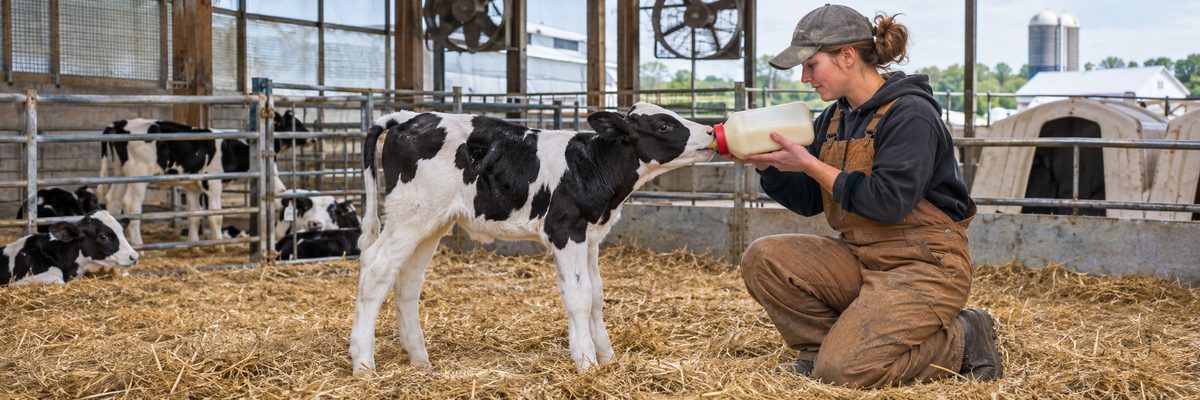
A calf born at three in the morning in January doesn't get a warm-up period. She arrives wet, with little body fat to spare, onto a floor that may be near freezing, and she has to start making her own heat right away. The next few hours decide whether she gets up, gets colostrum and does fine, or spends the week behind.
The winter plan comes down to four things: get her dry, get her fed, keep her bed deep and dry, and give her extra energy for as long as the cold lasts. Warming boxes and coats help, but they're add-ons. They don't replace the basics.
And somewhere on every dairy there's a calf who was born in the loafing pen on the coldest night of the year, because cows don't read the calendar. Plan for her.
What cold does to a newborn
Calves have a temperature range where they don't have to burn extra energy to stay warm. Below it, they use feed to make heat. That range is narrower and warmer for newborns than for older calves. From memory, a figure often quoted for the first weeks of life is somewhere around 50 degrees Fahrenheit, though exact numbers depend on the source, coat, bedding and whether the calf is wet. Wind and wet coats pull the real threshold much higher than the thermometer suggests.
The result is simple. A calf spending energy on warmth has less left for growth and immune function, and a calf that can't keep up gets weak and stops nursing. That's why cold-weather calf care is really about energy: protect what she has and give her more.
First hour: dry, then colostrum
- Move her to a sheltered, dry spot. Out of the wind, off any wet ground.
- Dry her. Towels or clean, dry straw rubbed along the coat, with extra attention to the legs and ears. A wet calf loses heat quickly.
- Feed colostrum promptly. The usual target is within the first hours. How soon to feed colostrum covers the timing and volume, and in cold weather there is no reason to wait.
- Use a warming box or heat source only as directed. A commercial calf warmer can help a cold, weak calf, but overheating is a real risk. Follow the manufacturer's directions and don't leave her unattended.
- Move her to a deep, dry bed. Hutch, pen or barn, as long as it is draft-free at calf level.
A calf that is truly cold, weak, shivering or limp, with cool ears and mouth, needs help warming gradually and may need vet advice before more feeding. Forcing fluids into a calf too cold to digest them can create new problems, so call your herd vet and follow their instructions on what to do first.
Bedding does a lot of the work
Dairyland Initiative guidance for nursing calves says deep bedding, particularly straw, is a must in winter, because it lets the calf nest and trap warm air around herself. It also notes a clean calf jacket can add warmth. If you haven't scored your bedding lately, the nesting score check takes less time than getting your boots on.
- Use long, dry straw where you can get it. Shavings and sawdust can lie flat and hold wetness.
- Top off bedding every day or two in a hard cold snap. Calves flatten it, wet it and push it out the doorway.
- Face hutches away from the prevailing wind, as the Dairyland Initiative advises, and consider a windbreak where winters are rough.
- Keep the hutch dry, since wet bedding takes heat out faster than a cold wind does.
The Upper Midwest has the combination that tests every plan: bitter temperatures, snow that blows into hutches and long stretches where the thaw never arrives. Calf barns are an option where labor is tight, but they need good airflow. Ventilating a calf barn without chilling the calves explains why a "warm" barn is not the goal.
Calf coats
Calf coats add insulation, especially in the first weeks, and many Upper Midwest dairies use them from birth through the coldest months. The main rules are keep them dry and keep them clean. A wet or manure-caked coat does more harm than none. We look at the cost-benefit side in whether calf coats are worth the money.
Extra energy from the milk bucket
This is where cold-weather performance is won or lost. A calf in the cold burns more energy just staying warm, so a feeding plan built for mild weather leaves her short. Common approaches include feeding more milk or replacer solids per day, adding a feeding, or using a replacer with higher fat content during cold spells. The details depend on your system and the calf's age, so work out the numbers with your nutritionist or vet instead of copying a neighbor's recipe.
A few cold-weather feeding habits that help:
- Serve milk at the right temperature. Cold milk makes her work harder to warm it up. Mixing and feeding procedures are covered in mixing milk replacer at the right temperature and ratio.
- Offer fresh water. Calves need water from day one, even in winter. Frozen buckets don't count. Lukewarm water encourages drinking, and starter intake depends on it.
- Start starter on time. Don't hold back grain because it's cold.
- Watch for scours. A scouring calf loses fluid and energy quickly, and cold makes it worse. Early action matters.
A simple winter checklist
- Towels and a dry spot ready before the calf arrives
- Colostrum thawed, warmed and ready to go
- Extra straw stacked where the loader can reach it
- Coats washed, dried and sized for the youngest calves
- Water buckets checked for ice at every feeding
- Hutches facing away from the wind
- Vet's number on the wall, not just in your phone
If calves in your herd are born in heated maternity areas and then moved outdoors, the shock of the transition counts too. Move them to a dry, bedded, sheltered hutch rather than putting them straight into an exposed spot.
Where to read more
The Dairyland Initiative's nursing calf housing page covers hutch bedding and orientation. University extension programs in the Upper Midwest, including the University of Minnesota Extension dairy program, publish cold-weather calf and heifer information, and your vet knows your herd's disease pressure.
Quick answers
How cold is too cold for a newborn calf?
There's no single number, because wet coats, wind and damp bedding make a mild temperature feel colder to the calf. A dry calf on deep straw, sheltered from the wind, can handle a lot more than a wet calf on a bare floor. If a calf is shivering, weak or reluctant to stand, treat it as an emergency and call the vet.
Should I feed newborn calves more in winter?
Calves generally need more energy in cold weather, and that usually means feeding more milk or milk solids, or adding a feeding. Ask your nutritionist or vet to set amounts for your system, since the right plan depends on age and housing.
Do calf coats really help?
They can add warmth, especially for young calves, as long as they are kept clean and dry. They work best alongside deep bedding and shelter, not instead of them.