Where to Put Calf Hutches for Airflow and Drainage
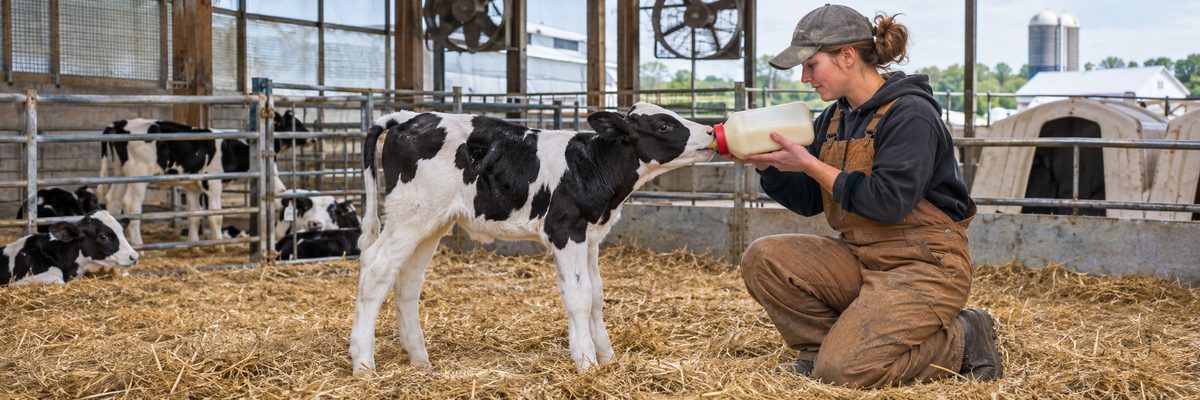
Put calf hutches on high, well-drained ground, give each one room to breathe, and face the openings away from the prevailing wind. That is most of it. The other part is the ground underneath, because a hutch on a mud flat is just a very small, very expensive swamp.
Placement is one of the cheapest disease-control decisions on the farm. It costs nothing to put a hutch in the right spot and a lot to put it in the wrong one. A well-placed row of hutches stays drier, cooler or warmer as needed, and lets fresh air move through without blowing straight onto the calf.
The spot that looks convenient from the milk house is often the wettest corner on the farm. The low corner everyone avoided when siting the new barn is, somehow, where the hutches always end up.
Choose the site first
Before you drop a single hutch, walk the area after a hard rain, or ask someone who has seen it.
- High and well drained. Avoid low spots, the bottom of a slope, and areas where runoff from the barn roof, lot or feed pad collects.
- Away from the cow traffic. Calves should not be downwind or downhill of adult cow areas or the manure storage. Adult cows and manure carry germs that calves do not have the immunity to handle yet.
- Easy access. You will be there twice a day or more, hauling milk, bedding and equipment. Make sure a skid steer, cart or bucket can reach every hutch in mud and snow.
- Room to rotate. Ideally you have enough ground to move hutches to fresh sites between calves, which is covered in cleaning and resting calf hutches between calves.
- Close to water and power if needed. Hauling warm water in January is a character-building experience, but not a sustainable one.
- Consider your neighbors. Flies and smell travel, and so do complaints.
Ground prep and drainage
The base matters as much as the hutch. A hutch on bare soil in a wet spell turns into a mud pit, and calves lie in it.
- A gentle slope. A slight grade away from the hutches helps water run off. Many guides suggest a modest slope, and you should check what works for your soil.
- A gravel or crushed stone pad. Many farms put a layer of gravel or rock on a geotextile fabric base, so the pad drains and does not sink into the dirt. Depth depends on soil, climate and traffic.
- Keep roof water away. Do not set hutches under eaves that dump water on them, and make sure gutters or ditches send runoff somewhere else.
- Sand or well-drained soil. Natural drainage helps, but even sandy sites should be graded.
- Fix the wet spots. The areas where water collects need to be filled or avoided, not tolerated.
Farms in the Northeast know the mud season problem well. A pad that drains in April saves a lot of grief, and mud season calf pen fixes for Northeast farms covers it in more detail. In dry regions such as parts of the Southwest and Mountain West, drainage is less of a daily problem but still matters when storms hit.
Spacing between hutches
Hutches that touch, or are only inches apart, let calves share air and germs. Spacing gives each calf her own breathing zone and gives you room to work.
- Leave a gap between hutches. Many guides recommend a few feet between the sides, and some suggest more between rows. Use what your vet or extension specialist recommends for your setup, and err toward more if you can.
- Leave enough room between rows to get a cart, bucket or skid steer through without crowding calves.
- Do not set hutches so close that calves can touch noses through the pens, unless you are deliberately pairing them.
- Keep rows to a manageable length so that every hutch can be seen and reached easily.
More spacing is almost always better for disease, but it costs ground. If land is tight, a layout with fewer hutches that you rotate more often usually beats cramming them together.
Orientation: which way to face them
The open side of the hutch should usually face away from the prevailing wind, so that wind does not blow straight in. In cold regions, many farms face the opening south or southeast, so that the calf gets morning sun and a break from northwest winter winds. In hot regions, shade and airflow matter more. Facing the opening away from the afternoon sun, adding shade cloth or a roof, and lifting the back of the hutch for cross-ventilation can keep calves cooler. Your own wind patterns should win over general rules, so spend a day noticing where the wind really comes from.
Windbreaks help in the Upper Midwest and Northern Plains, as long as they do not trap air and humidity. A solid wall too close to the hutches can create a still, damp pocket, which is just as bad as a gale. Leave space between the windbreak and the hutches, and consider a porous barrier that slows the wind rather than blocks it.
More on airflow thinking is in ventilating a calf barn without chilling the calves, since the same principles apply outdoors.
Layout mistakes to avoid
- Putting hutches in a low spot because it is flat and convenient
- Letting roof runoff drain into the calf area
- Placing rows so tight that you cannot get a cart between them
- Facing every opening into the prevailing wind
- Setting hutches directly on bare soil with no base
- Leaving hutches in the same spot calf after calf, year after year
- Putting hutches downwind from the manure pile or the cow barn
A simple checklist
- Find the high, well-drained site that stays dry after heavy rain.
- Check the wind direction over several days and in different seasons.
- Build or grade a pad with a gentle slope and a gravel base.
- Space hutches with room for air and room for work.
- Face openings away from the wind, with shade for hot climates.
- Plan where hutches will move next.
- Check the layout after the first big rain and fix whatever puddles.
The housing choice itself is discussed in calf hutches versus group pens. For more on planning dairy facilities, Penn State Extension's dairy pages are worth bookmarking.
Quick answers
Which direction should calf hutches face?
Usually away from the prevailing wind. In cold climates that is often south or southeast, while in hot climates you may also want to avoid direct afternoon sun and add shade. Watch your own wind pattern before you commit.
How far apart should calf hutches be?
Far enough that calves cannot easily touch noses or share air, and far enough to get a cart through. Many guides suggest at least a few feet, but the right distance depends on your farm, so ask your vet or extension agent.
Should hutches sit on gravel?
A gravel or crushed stone pad on a well-prepared base drains better and stays cleaner than bare soil. It costs more up front but usually pays back in drier calves and fewer muddy-hutch headaches.