Automatic Calf Feeders: Pros, Cons and Costs
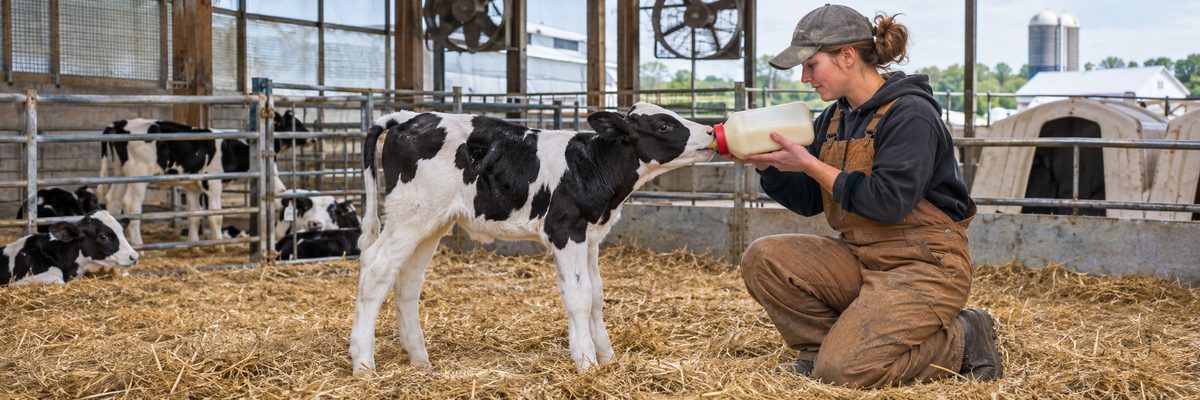
An automatic calf feeder is a computer-controlled milk station that mixes and dispenses milk or replacer to group-housed calves, recognizing each calf by an ear tag. It can feed calves many small meals a day, track intake and cut hand-feeding time. It can also cost more than a good used pickup and reward only the farms that were already managing calves well.
The honest answer on whether it's worth it: it depends on your calf numbers, your labor, your housing and how much attention you can give to the machine and the pen. A feeder is not a calf manager. It's a very expensive bottle that never gets tired and never notices a sick calf.
How the system works
Calves in a group pen, usually 10 to 25 per station depending on the setup, walk up to a feeding station. The machine reads the ear tag, checks that calf's allowance, mixes powder and water to the programmed ratio and temperature, and delivers milk through a nipple. Calves get several small meals a day instead of two big ones. Feeding curves, including weaning schedules, are programmed in software and can be set by age, so calves are stepped down automatically. Some systems pasteurize waste milk on-site, and some mix whole milk instead of powder.
The advantages
- More milk, in smaller meals. Small frequent meals mimic natural suckling and make it easier to feed higher volumes without overloading the gut. See how much milk to feed a dairy calf for how volume ties into gains.
- Less daily hand labor. You aren't mixing and carrying 40 bottles twice a day. The labor changes from carrying to checking, cleaning and troubleshooting.
- Data on every calf. Intake per visit, drinking speed and missed meals show up on the screen and can flag a sick calf a day or two before you'd see her slump in the pen. A calf that stops visiting the station is the first thing the software tells you.
- Consistent mixing. The machine measures the same way every time. If your hand mixing has been inconsistent, this alone helps. Mixing milk replacer: temperature, ratio and consistency shows what the machine is replacing.
- Group housing with social contact. Calves raised in pairs or groups can learn to eat solid feed from pen mates and tend to be more socially comfortable, a plus when they join the heifer pen later.
- Flexible weaning. Gradual, individualized step-down is easy to program, which fits the logic in a step-down weaning schedule.
The disadvantages
- Cost. Systems typically run into the tens of thousands of dollars installed, depending on number of stations, tags, software, plumbing, pasteurizer and electrical work. Get actual quotes from dealers and ask what the annual service and parts costs look like. Treat any quoted figure in a brochure as the starting offer.
- Group housing disease risk. Calves share a pen, a station and each other's germs. Pneumonia and scours can spread faster than in individual hutches. Ventilation and bedding management become critical; calf hutches vs group pens weighs the housing trade-offs, and ventilating a calf barn without chilling the calves is where most group-pen problems begin.
- Learning curve for calves. New calves often need to be taught to drink at the station. A few hours with a stubborn calf in a pen is the part nobody puts in the sales video.
- Cleaning is serious work. The mixing bowl, hoses and nipples must be cleaned on schedule. A neglected system can seed bacteria into every meal for every calf in the pen.
- Dependent on power, water and software. A power outage, frozen line or clogged filter means calves miss meals. You need a backup plan and someone who can fix things.
- It won't fix poor early care. A calf with poor colostrum intake or a rough start still needs one-on-one attention in her first weeks. See the newborn calf first 24 hours checklist.
Which farms tend to benefit
Automatic feeders usually make the most sense on farms that raise enough calves to spread the cost, have a labor shortage that isn't getting better, and are ready to manage calves in small groups of similar age. In the big dairies of the Southwest, West Coast and Upper Midwest, they're common. On a small Northeast or Southeast family farm with a dozen calves a year, the money often goes further elsewhere, for example into better hutches, a pasteurizer or a good scale. That doesn't make small farms behind the times; it makes the math different.
| Question to ask | Leans toward a feeder | Leans toward hand feeding |
|---|---|---|
| Calves raised per year | Many, with steady births | Few, or seasonal |
| Labor | Short or expensive | Available and consistent |
| Housing | Good barn with ventilation | Hutches |
| Management time | Someone owns the daily checks | Everyone is already stretched |
| Technical comfort | Comfortable with software | Prefers simple tools |
Management that makes or breaks it
Group formation
Calves should be introduced in small groups with a limited age spread, commonly a couple of weeks or less, so the older calf isn't bullying the new one at the nipple. Keep pens dry and well bedded. Nesting scores are a good check on whether the bedding is doing its job.
Daily checks
- Review the alarm list and the list of calves that missed meals first thing.
- Walk the pen and look at every calf, not just the ones on the list.
- Check milk temperature, mix strength and nipple flow every day.
- Follow the cleaning protocol in the manual. Don't improvise.
Sick calves
Pull sick calves out of the group promptly, treat them with your vet's guidance, and clean the station if they were fed from it. A calf with scours or pneumonia can infect the whole pen if you're slow about it. Early signs of pneumonia are worth learning well before you move to a group system.
For more information, UW-Madison dairy extension and the Dairy Calf and Heifer Association have calf housing and feeding resources, and your vet should be part of any decision to move to group housing.
Quick answers
How much does an automatic calf feeder cost?
Often tens of thousands of dollars installed, depending on the number of stations and extras. Get written quotes and include service and software costs.
Do automatic feeders reduce calf scours?
Not by themselves. They can help by delivering consistent mixes and small meals, but group housing can also spread disease, so sanitation and ventilation decide the outcome.
How many calves can one station feed?
Manufacturers commonly recommend roughly 10 to 25 calves per station, depending on the model and feeding program. Check your dealer's guidance and your own calf numbers.