Fly and Humidity Control for Calf Hutches in the Southeast
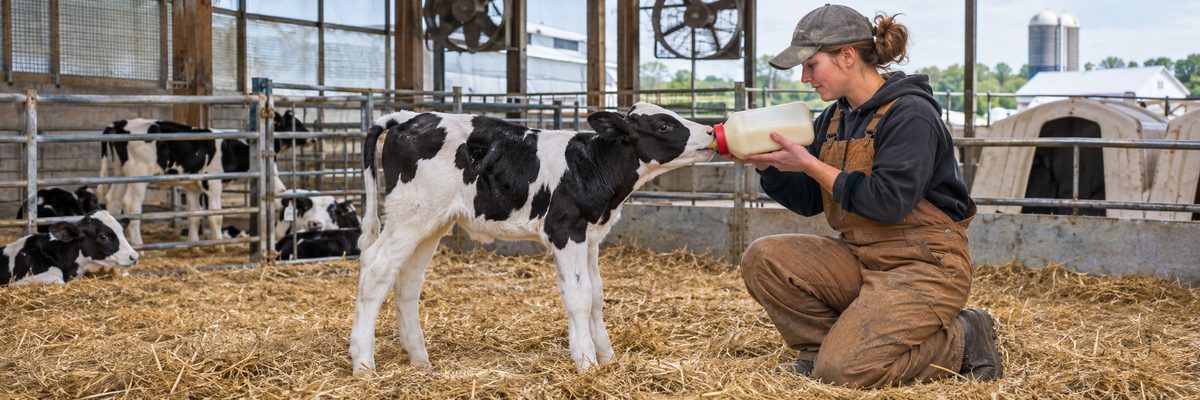
In the Southeast, summer doesn't ask whether you want flies. It just delivers them, usually the week the afternoon thunderstorms settle in and every hutch floor turns to soup. The calf is stuck in the middle, swatting with her ears and trying to sleep on bedding that never fully dries.
Humidity and flies are really one problem with two faces. Flies breed in wet organic matter: damp bedding, manure, spilled milk and soggy starter. Fix the wet and you've fixed most of the fly supply. Spray or hang traps without fixing the wet, and you're mopping while the tap runs.
That's good news in a way, because drying out is something you can control. It just takes daily work and a plan for the days it won't stop raining.
Why the Southeast is harder
Heat, humidity, frequent rain and long fly seasons all line up against calf hutches here. Bedding that would dry in a day in the Mountain West can stay damp for days. Straw can mold. Calf starter gets clumped and stale. Standing water collects around the hutches and breeds mosquitoes as well as flies. Warm, damp conditions favor bacteria, so scours and respiratory problems can be worse in humid weather if hygiene slips.
Calves also have a harder time staying cool when the air is already full of moisture. For the bigger picture on heat in this region, humid heat cow cooling in the Southeast goes through how humidity changes what works.
Start with where the hutches sit
The Dairyland Initiative at UW-Madison advises that occupied hutches face away from prevailing winds and be spaced far enough apart that a sick calf doesn't contaminate a neighbor's environment, and that the site be big enough to move hutches during a one- to two-week cleaning period so the ground can be cleaned and dried. In the Southeast, add drainage to that list.
- Pick high, well-drained ground. Never put a hutch in a low spot that holds water after a storm.
- Build a pad. A crushed-stone or gravel pad with a slight slope sheds water away from the hutch. Ask your local NRCS or extension office about base material for your soil.
- Keep hutches away from manure piles and wet lots. Fly populations build near these, and they'll come straight to the calves.
- Leave room for air. Spacing that lets a breeze through also dries the area faster. See where to put calf hutches for airflow and drainage.
Dry bedding is fly control
Wet bedding is the nursery. Flies lay eggs in damp, decaying material, and a calf hutch with soggy straw and a little spilled milk is as good as it gets for them.
- Remove wet or dirty bedding daily in the worst weather, not weekly.
- Keep the front edge of the hutch clear, since that's where calves drag out wet bedding.
- Don't let wet bedding pile up near the row. Haul it away from the calf area to a manure area that's managed for fly control.
- Use bedding that suits your climate. In summer the Dairyland Initiative notes that a dry, clean bed of straw, sawdust or shavings is fine. Straw, sand or shavings for hutches compares how each handles moisture.
When it rains for a week, a bedding change every day may be the only way to keep up. It's tedious. It's also cheaper than the vet visit, and the vet doesn't enjoy the flies either.
Clean up the little things
Flies love sugar and protein, which makes a calf row a buffet with table service. Spilled milk, dribbled replacer, wet starter, dirty bottles and crusty feed pans all attract them.
- Rinse and scrub bottles, nipples and buckets promptly. Cleaning calf bottles and buckets so they actually get clean goes into the details.
- Dump wet or moldy starter and wipe the feeder before refilling.
- Cover feed storage and keep dead or sick animals' remains away from the calf area.
- Keep weeds and grass cut around the hutches so they don't hold moisture and shelter flies.
Layering on fly control products
Once sanitation is in hand, other tools can help. Fly control for dairy barns and calf areas covers the broader menu. In general terms, the options include:
- Traps and sticky tapes to cut down adult flies in and near the calf area.
- Biological control, such as releasing parasitic wasps that attack fly pupae in manure and bedding, which some dairies use in combination with sanitation.
- Larvicides and baits used in manure and bedding areas according to the label.
- Insecticides applied to animals or premises, but only products labeled for the age of the calf and for dairy use.
Read every label before you use anything. Products differ in what animals and ages they allow, and some can't be used on young calves or on lactating cows. Milk withdrawal and residue rules apply where the product touches animals or feed. Your vet, county agent or pest control advisor can help you pick products that fit your herd and meet regulations. UF/IFAS Extension's dairy extension page is a good starting point for regional information.
Airflow, shade and water in a humid summer
Airflow helps in two ways: it cools the calf and it dries the bedding. Don't tuck a row of hutches behind a windbreak that traps still air. Shade over the hutches helps with heat, as long as it leaves a gap for air to move above the hutch. Keep water cool, clean and available, since a hot calf in humid air drinks a lot. Why newborn calves need fresh water from day one is worth rereading in July.
Wet, hot conditions also mean calves can get respiratory problems and scours. Check them closely, and learn the early signs in early signs of pneumonia in dairy calves.
A summer routine for wet weather
- Walk the row at each feeding and look at bedding, water buckets and the ground around each hutch.
- Pull wet bedding and replace it before it gets smelly.
- Check for puddles and fix drainage with gravel or a shallow ditch.
- Empty, scrub and refill water and starter containers.
- Clean up spilled milk right away.
- Look for swarms, rubbing or head-shaking, and check traps.
- Move the hutch to a fresh spot between calves.
Where to read more
The Dairyland Initiative's nursing calf housing page describes hutch spacing, orientation and cleaning. The extension dairy program at your state land-grant university can advise on region-specific fly pressure and approved products.
Quick answers
What attracts flies to calf hutches?
Wet bedding, manure, spilled milk and wet or moldy starter. Remove those, and the fly population usually drops sharply even before you use any products.
Can I spray fly spray on calves?
Only if the product label allows it for the age and class of calf you have. Many cow products are not labeled for young calves, so check the label and ask your vet or county agent.
How often should I change hutch bedding in a wet summer?
As often as it takes to keep the bed dry and clean. That may mean spot-cleaning daily and replacing the whole bed more often than usual during rainy stretches.