Bull Calves: Raise, Sell or Cross? Sorting Out Your Options
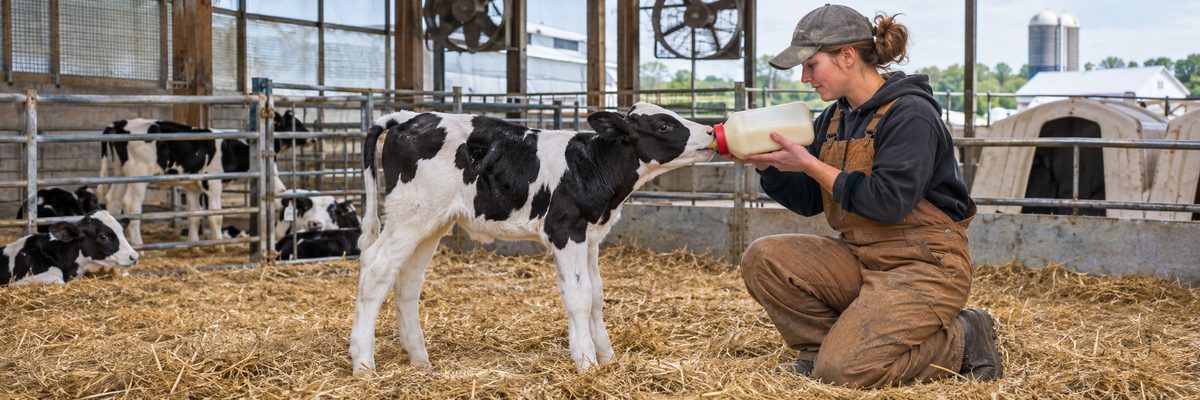
Every dairy has the same quiet argument at calving time. Half the calves are bulls, they eat just as much as the heifers, and the milk check does not care. What you do with them is a decision worth making on purpose, because it can quietly swing the year's cash flow in either direction.
There are really three paths: sell them young, raise them yourself or through a grower for beef, or change the breeding so the calves are worth more to begin with. None of them is free money. Each one trades labor, facilities, risk and cash tied up for a different kind of return, and prices for calves move a lot from region to region and season to season.
I am not quoting prices here because they change too fast and differ by market. Check your local sale barn, your calf buyer and your extension office for what is happening near you.
Path one: sell at a few days old
This is the lowest-effort route. Calves leave early, you stop feeding them, and you free up hutches. The tradeoff is the price you are likely to get, especially for straight dairy bull calves, and the fact that the calf's future health is now someone else's problem. It also becomes your problem again if the calf looks rough on the truck, because buyers notice. The calf has no opinion about the market, but the buyer has plenty.
To get a fair price, get colostrum into them early and keep records. Buyers care about a good start; the same passive transfer logic from how soon to feed colostrum applies to bulls as much as heifers. For the practical side of selling, preparing dairy calves for sale walks through age, health and transport prep.
Watch the rules
Minimum ages, transport rules and animal-care program expectations for young calves differ by state and by buyer. I am speaking in general terms from industry practice here, so confirm what applies to you with your state department of agriculture, your sale barn and your milk handler's animal care requirements. Do not sell calves that are too young, too weak or not fit to travel.
Path two: raise them yourself
Raising bull calves, usually as steers after castration, means feeding them milk and starter, getting them through weaning, and then growing them out on a calf ration for a few months or a year. A few dairies do this to use idle labor and facilities. Many more sell them at weaning or hand them off to a dedicated calf grower.
The costs are straightforward, and bull calves are always cheaper in your head than on the feed ticket:
- Milk or milk replacer, starter, and later grower feed.
- Labor, which is the same morning feeding whether the calf is a heifer or a bull.
- Housing space you may need for the next round of heifers.
- Veterinary care, vaccination and the risk that the calf gets sick or dies.
- Interest on the money tied up until you sell.
If you want to see how milk choice moves that math, whole milk versus milk replacer for dairy calves is a decent place to start. And the question "do I have the room?" is not trivial; when hutches are full of bulls, there is nowhere for a fresh heifer.
Bull calves as companions
One use that comes up is as pen mates. The University of Wisconsin Extension grouping article suggests raising bull calves as companions for heifer calves as one way a small farm can form pairs close in age; see the grouping strategies piece for the thinking. It works best where only a couple of calves are born a week and you would otherwise struggle to keep age gaps under two weeks.
Path three: change what you breed
This is where much of the action has been. Using beef semen on cows you do not need replacements from produces crossbred calves that, as Penn State Extension's beef on dairy genetics article puts it, often have more sale value than Holstein bull calves. The Penn State dairy team's piece on heifer inventory decisions makes the same case from a different angle: using beef semen is one way to correct heifer inventory, with genetic rankings used to find the lower-end animals to breed to beef.
Two cautions from that same literature. First, sire choice matters; Penn State warns that dairy producers who want a long-term outlet for crosses need to supply a good product, and that disappointing calves can dry up the market. Second, calving ease matters when the cow carrying the beef calf is a heifer or a smaller breed. If you are weighing this, read breeding dairy cows to beef bulls for crossbred calves first.
Sexed semen sits on the other side of the same decision. If you use it to get more heifers from your best cows, you also change how many bulls you have to deal with. See whether sexed semen is worth it for dairy heifers. For the wider picture, Penn State's beef on dairy genetics article is a useful read.
How to compare the options
Put your own numbers in a simple table. Fill in what you actually pay, not what the neighbor says he pays.
| Question | Sell young | Raise for beef | Breed for crosses |
|---|---|---|---|
| Cash in hand | Quick, usually lower | Delayed | Quick sale, often better calf price |
| Labor | Low | High | Same as a heifer calf |
| Space needed | Short term | Long term | Short term |
| Risk | Market price | Health, market, feed costs | Calving problems, market for crosses |
| Best fit | Tight on labor or space | Spare space and labor, a buyer lined up | Herds with heifer surplus or strong genetics |
Whichever path you take, keep records on the calves that you sell. A calf with a clean start and a clear history sells better than a mystery calf, and most buyers have a long memory about which dairies send them sick ones.
Mistakes to avoid
- Skipping colostrum on bulls because "they're just going to be sold." Sick calves sell poorly or not at all.
- Raising bulls without a plan for where they will be sold at weaning.
- Choosing beef semen on price alone.
- Letting bull calves take hutch space the heifers need.
- Selling calves that are too young or weak to travel.
Quick answers
Are Holstein bull calves worth raising?
It depends on local prices, your feed costs, labor and whether you have a buyer or grower lined up. Some farms make it pay and many do not. Run your own numbers and compare to selling young.
Do beef-cross calves really sell for more?
Extension sources say they often have more sale value than Holstein bull calves, but prices vary and sire quality matters. Check your local market before you change your breeding plan.
Should bull calves get the same care as heifers?
Yes. Colostrum, navel care, clean housing and vet advice all apply. A healthy bull calf sells better and does not drag a pen down with illness.