Raising a Bottle Calf for 4-H: First Month Tips
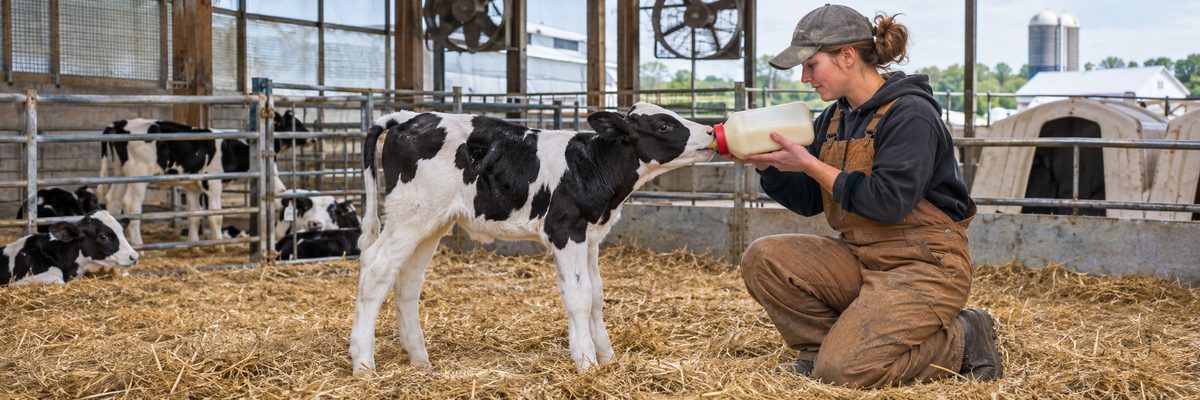
The first month decides most of what happens in a calf project. A calf that gets a clean start, steady feedings and a dry place to lie down is the one that shows up at the county fair looking like a project. A calf that spends her first weeks sick or stunted spends the rest of the summer catching up. The good news is that the basics are not complicated, and a determined 12-year-old with a feeding schedule can handle them.
The routine boils down to this: start with a healthy calf that got colostrum, feed her the same way at the same times every day, keep her bedding dry and her bottles clean, put fresh water and starter in front of her early, and take her temperature the minute she acts off. Halter work can wait until she's eating and growing well.
Choosing the calf
Where she comes from matters more than what she looks like. Ask the seller whether she received colostrum soon after birth, how old she is, and what she's been fed. A calf that missed colostrum or got it late is more likely to get sick in her first weeks, and a young calf in a new place, with a trailer ride and new feed, has a lot to deal with.
When you look her over, check:
- Bright eyes, alert, and quick to stand when you come in.
- A dry, clean navel that isn't swollen or hot.
- Clean tail and hind end with no scours staining.
- Normal breathing, with no cough and no runny nose.
- She's sucking eagerly when offered a bottle.
Your 4-H leader, club advisor or a dairy farmer who knows you can help evaluate a calf, and your county or state 4-H program may have rules about age, ownership dates, tagging and breed or registration for fair projects. Those rules differ by state and county, so find them before buying. For help picking an animal that suits the kind of project you want, see how to pick your first 4-H show heifer, and for the larger picture, how to start a 4-H dairy cattle project.
The first-week routine
The newborn checks in the first 24 hours checklist are written for the dairy, but they apply to a calf you bring home too. Once she's settled:
- Feed on a schedule. Calves like routine, and feeding at the same times each day keeps their digestion steadier. Most calves get milk or milk replacer twice a day. How much to give depends on her age, size and the program the seller was using. Ask what she was fed and keep it the same at first, then adjust gradually with advice from a vet or experienced dairy producer. How much milk to feed a dairy calf each day covers the usual ranges.
- Offer water right away. Calves need clean water in front of them from the beginning, even though they're drinking milk. Why newborn calves need fresh water from day one explains why.
- Introduce starter. A small handful of calf starter in a clean bucket early encourages her rumen to develop. When to start calf starter and how much to offer has details.
- Keep her dry and out of the wind. A hutch or a dry, draft-free pen with deep, clean bedding is the minimum. In winter, extra bedding to nest in matters a great deal; in summer, shade and airflow are the priority.
- Clean what touches her mouth. Bottles, nipples and buckets need to be washed after every feeding. Dirty equipment is a leading way to give a calf scours.
Bottle-feeding tips for beginners
- Hold the bottle at about the angle a calf would nurse from a cow, so she keeps her head up and swallows properly.
- Let her drink at her own pace. Rushing leads to milk going in the wrong direction.
- Mix replacer at the temperature and ratio on the label. Too weak and she goes hungry; too strong and she scours. See mixing milk replacer: temperature, ratio and consistency if you're using powder.
- Wash your hands before and after. A calf will lick, chew and slobber on you, and she'll leave a nice film on your boots too.
Daily health checks
Spend a minute looking at your calf before every feeding. You're checking for:
- Does she come to the front and want her bottle? A calf that hangs back and won't eat is the first sign something is wrong.
- Are her ears up, or drooped?
- Is her manure firm and the right color, or runny?
- Is her breathing easy and quiet?
- Is her navel dry, with no swelling?
A thermometer is cheap, and knowing her normal temperature makes a fever easy to spot. Normal for a healthy calf is generally around 101 to 102.5 degrees Fahrenheit, but ask your vet to confirm what's normal and when to worry. If she's off her feed, has diarrhea or looks dull, tell your leader or an adult right away and call a vet. Early scours treatment can mean the difference between a minor setback and a serious illness; calf scours: what to do in the first hours has the initial steps. Don't give any medication without veterinary direction, and remember that drug withdrawal times matter for animals that may later enter the milk or meat supply.
Halter work and the show ring
Resist the urge to start halter training in week one. A very young calf is still figuring out eating, drinking and staying warm, and a good routine matters more than leading practice. Once she's eating starter reliably and growing, you can begin short sessions of getting her used to a halter, being touched and standing quietly, working up gradually. The skills in halter training a show heifer build slowly, and a calf that trusts you early will be easier to handle later.
If you want a laugh while you're out in the barn, there's a farm.FM story about a cowboy influencer who teaches calves to square dance to dubstep. Your calf will be more than happy to stand still instead, and judges tend to prefer that.
Keep a record from day one
Write down feedings, how much she eats, her weight or measurements, any illness and what was done, and costs. Your project record book needs this information anyway, and how to keep a 4-H dairy project record book shows how to organize it. It also helps you figure out whether the project is on budget, and what a 4-H dairy heifer project really costs will give you a reasonable idea of what to expect.
For additional guidance on calf and heifer care, Penn State Extension's dairy resources and your own state extension office are good places to start, and your local 4-H educator can point you to county-specific rules and workshops.
Mistakes to avoid
- Switching feeds suddenly. Change gradually, over several days.
- Overfeeding because she looks hungry. Calves can always look hungry.
- Letting bedding get damp or manure build up.
- Waiting to see if a sick calf gets better by tomorrow.
- Skipping the paperwork for tags and registrations until the week before the fair.
Quick answers
How old should a 4-H bottle calf be when I start?
Many projects begin with calves a few days to a few weeks old, but your county or state program sets the rules. Check ownership and age dates before you buy.
How often should I feed a bottle calf?
Most are fed twice a day at regular times. The amount depends on her age, size and feeding program, so ask the seller what she was on and your vet or an experienced producer how to adjust.
When do I start halter training?
Once she's healthy, eating starter and growing well, usually after the first few weeks. Keep sessions short and calm, and build up gradually.