Breeding, Genetics & Reproduction
When to Assist a Calving Cow or Call the Vet
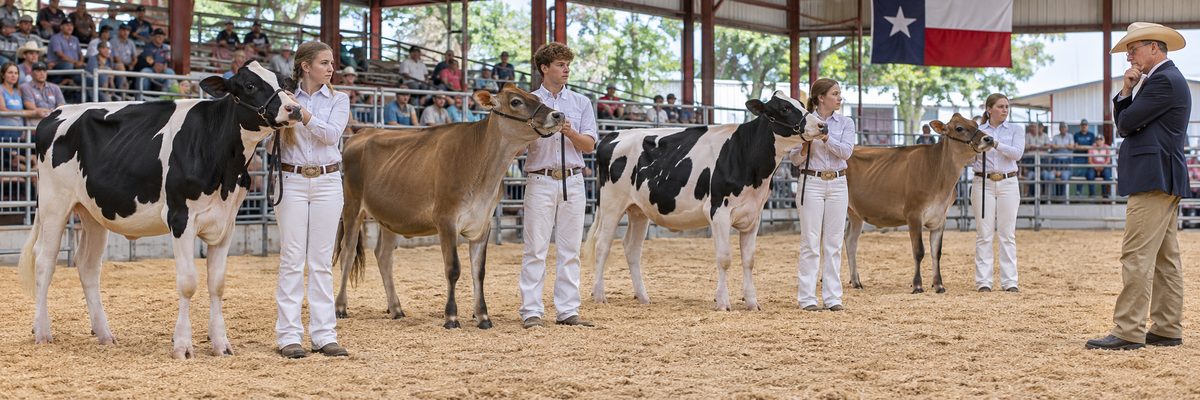
The hardest calving decision is usually not how to pull a calf. It's when. Jump in too early and you can hurt a cow who would have done fine on her own, usually while a well-meaning neighbor says he's seen it done faster. Wait too long and you're pulling a tired calf out of a worn-out cow, and the odds shift in the wrong direction.
The simplest way to think about it is progress. A cow in normal labor keeps moving forward. First-stage labor, which you can't see much of, gives way to the water bag and feet, then the head, then the calf. If you can see steady progress, leave her alone. If hours have passed with strong effort and no change, or if what you see doesn't look right, it's time to check or call.
This article covers general timing and warning signs. It's education, not a replacement for your herd veterinarian's protocols. If your vet has given you specific guidelines for your herd, use them.
What normal calving looks like
There are three stages, and they run on different clocks.
- Stage one is the quiet part: restlessness, tail-switching, getting up and down. The cervix is opening. It can take several hours, sometimes longer in heifers. You mostly wait.
- Stage two is delivery. The cow strains, the water bag shows, and then the calf's feet appear. A normal front-end presentation has two front feet, soles down, with the nose resting on top of the legs. This is the stage where the clock matters most.
- Stage three is the afterbirth. The cow expels the placenta within some hours of calving. If it hangs on, see retained placenta in dairy cows.
You'll recognize a normal delivery by its rhythm: strain, rest, strain, progress. It's the only part of the night that follows a pattern. Feet that show and then slip back a little are normal early on. Feet that never advance are not.
A working timeline
Guidelines differ, and your herd vet may have a different rule. As a rough starting point that's often used in dairy practice:
- Once the water bag or feet are visible and she's actively straining, expect to see real progress within roughly an hour for a mature cow, and somewhat longer for a heifer.
- If there's no progress by then, wash up and check what's going on, or call your vet if you aren't experienced.
- If she has been in strong labor for hours with nothing showing, don't wait for it to sort itself out. Call.
These are typical ranges, not rules, and some farms use shorter limits. If you aren't sure, call sooner. A vet who's called early is annoyed for about five minutes; a vet called late is dealing with a dead calf and a sore cow, and is a good deal less cheerful about it.
Signs that mean help is needed
Any of these changes the plan.
- Soles up. If the feet show with the soles facing up, the calf may be coming backward. That's not automatically a disaster, but a backward calf has to come out fast once the hips pass the pelvis, and it's easier with experience.
- One foot or no feet. A single foot visible, or a nose with no feet, suggests a leg is back or the head is turned. Pulling on a malpositioned calf can injure the cow and the calf.
- Nothing after hard straining. A cow who's straining hard and making no progress may have an oversized calf, a malposition, or a stalled uterus.
- Two sets of feet or a mix of limbs. Twins can come tangled, and you may not be able to sort which legs belong to which calf. Twins in dairy cattle explains why twin calvings run into trouble more often.
- Heifer who's small or just out of trouble. A first-calf heifer with a large calf can run into a tight fit, and a sire chosen for calving ease reduces the odds. Choosing calving ease sires for first-calf heifers covers it.
- Cow down and not trying. If a cow is down, exhausted, or showing signs of milk fever, she may not push. Signs of milk fever are worth knowing, since a hypocalcemic cow can look like a stalled labor.
- Foul smell, dark fluid or heavy bleeding. These mean something is wrong beyond a slow calving.
- A calf that has been in the birth canal too long. A swollen tongue or a calf that isn't moving is a red flag.
If you decide to assist
Assisting doesn't automatically mean pulling. The first step is usually to wash the cow's vulva and your own hands and arms, put on a clean sleeve, and feel what's going on. Is the calf coming head-first or tail-first? Are there two front feet with a nose, or something else? If the answer is straightforward, a gentle pull timed with her contractions may be enough. How to pull a calf safely goes through the steps.
If what you feel is confusing, stop. Don't guess. A calf that's presented wrong needs a vet or an experienced hand, because pushing and pulling blindly can tear the cow and kill the calf.
Things to avoid:
- Pulling before the cervix is open. A cow that isn't fully dilated won't deliver no matter how hard you pull.
- Pulling constantly instead of with contractions.
- Using a machine, such as a calf puller, when you don't know what's inside.
- Letting an impatient helper take over because "we always do it this way." That phrase has ended more than one calving badly.
Any drugs, injections or fluids for the cow are a veterinary decision. This article intentionally doesn't recommend products or doses. Your vet can tell you what belongs in the calving kit for your operation.
Have the call ready before you need it
The best time to decide when to call is long before the calving. Talk to your vet about their timing guidelines and what they want to know when you call: how long she's been in labor, what you can see, whether she's a heifer or a cow, and what you've already done. Keep the number at the pen. Overnight service varies, particularly in rural areas, so ask what to expect. Finding a large animal vet is worth sorting out before the first emergency.
After a hard calving, the cow needs extra attention. Watch her and the calf for the next few days and use post-calving checks for the first 14 days to catch trouble like metritis, retained placenta and ketosis early. Calves from hard births also need colostrum quickly, and how soon to feed colostrum still applies.
For more on calving management and dystocia, the University of Minnesota Extension dairy pages are a good starting place, along with your herd vet.
Quick answers
How long should I wait before helping a cow calve?
Many dairy operations use roughly an hour of strong labor after the water bag or feet appear for a mature cow, and a bit longer for a heifer, but your vet's guidelines come first. If there's no progress or the position looks wrong, don't keep waiting.
Is it normal for a calf to come backward?
It happens, but it's a higher-risk delivery because the calf can run out of oxygen once the umbilical cord is pinched. If you see soles up, call your vet or help promptly and carefully.
Should I call the vet even if I can pull the calf myself?
If you are confident about the calf's position and the cow is progressing, you might not need to. If you're unsure, she's a heifer with a big calf, or the pull isn't coming easily, call. Waiting too long is the more common mistake.