How Soon to Feed Colostrum to a Newborn Dairy Calf
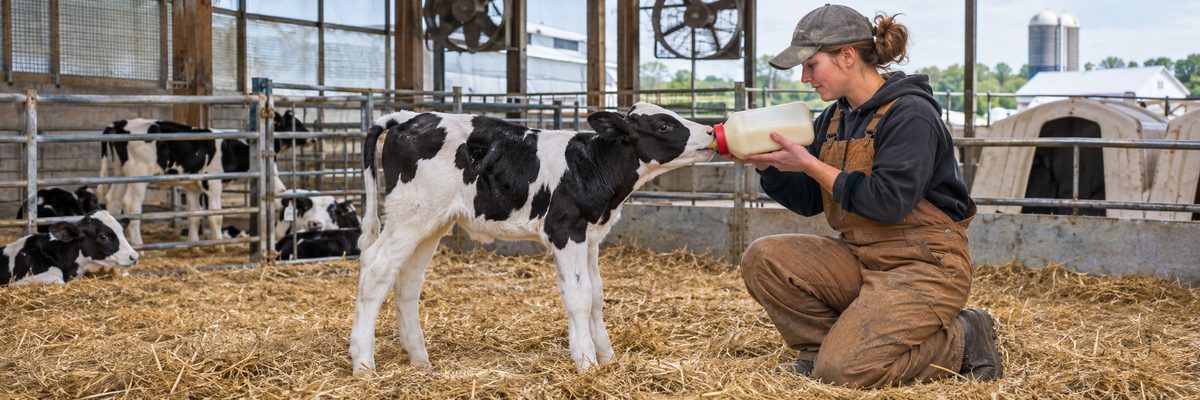
Feed colostrum as soon as you reasonably can after birth, and ideally within the first couple of hours. A calf's gut can absorb the big antibody molecules in colostrum for only a short time, and that ability starts shrinking within hours of birth. By around a day old, it is mostly gone.
For a typical Holstein calf, the usual target is a first feeding of roughly four quarts of good-quality colostrum, or about ten percent of body weight, with a second feeding several hours later. Smaller breeds like Jerseys need a smaller volume. The calf does not get a second chance at antibody absorption, which makes the first feeding the single most valuable meal she will ever get.
That is why many dairies treat colostrum as a deadline, not a suggestion. Cows calve at two in the morning, the farmer is asleep and the calf will cheerfully wait until breakfast. Do not let her.
Why timing matters so much
Think of the gut as a loading dock that is open for a few hours and then locks the doors, with no notice and no appeals process.
Calves are born without antibodies in their blood. Unlike some species, a cow does not pass immunity across the placenta, so a newborn calf depends on antibodies from colostrum to fight disease for the first weeks. Those antibodies cross the intestinal wall intact only in the first hours of life. After that, the gut matures and closes to them.
If a calf gets too little colostrum, or gets it too late, she may not absorb enough antibodies, a condition called failure of passive transfer. These calves are more prone to scours, pneumonia and early death, and they often grow more slowly. Checking calves for failure of passive transfer explains how to confirm whether a calf got enough.
Timing also matters for the gut itself. Bacteria begin colonizing the calf's intestines from the first hour or so. Feeding clean colostrum quickly gives antibodies a head start on whatever else is already living in the maternity pen.
The window: what to aim for
| Time after birth | What to do |
|---|---|
| First hour or two | Best time for the first feeding. Many farms aim for the first two hours. |
| Up to about six hours | Still worth feeding, but absorption is dropping. Feed right away. |
| Around twelve hours and later | Absorption is much lower. Still feed colostrum for gut protection, and talk to your vet about testing the calf. |
| Second feeding | Typically several hours after the first, within the first twelve hours |
These are general guidelines, and your veterinarian or local extension dairy specialist may suggest slightly different targets for your herd. The principle does not change: sooner is better, and clean and sufficient colostrum beats perfect timing with poor-quality colostrum.
How much to feed
A common rule is about ten percent of the calf's body weight in the first feeding. For a typical Holstein heifer calf, that is often around four quarts. Jersey calves are smaller, so the amount is less. A large bull calf may need more. If you are not sure, a quick weight estimate with a tape or scale will do. Weighing and measuring heifers covers how.
Some calves will drink that much from a bottle; others will not. A calf that is cold, weak or exhausted from a hard birth may need help, and tube feeding versus bottle feeding explains how to decide. If a calf is not suckling, see what to do when a newborn calf will not suck.
Quality matters as much as quantity
A large feeding of weak colostrum can still leave a calf short on antibodies. Cows that calve after a very short dry period, heifers and cows that leaked milk before calving often produce lower-quality colostrum. Test it. Testing colostrum with a Brix refractometer is a quick, inexpensive way to judge it on the spot.
Step by step at calving
- Get the calf breathing and dry. Clear the nose and mouth, and get her out of the wet and the cold. A shivering calf does not digest well.
- Dip the navel. This is a quick job and part of the routine. See the newborn calf checklist for the order of tasks.
- Collect clean colostrum. Use a clean bucket and milking equipment. Dirty udders and dirty buckets can add bacteria that interfere with antibody absorption.
- Check quality if you can. A refractometer takes seconds.
- Warm it gently. Cold colostrum is harder for a chilled calf. Do not overheat it, since high temperature damages antibodies. Warm water bath, not a microwave blast.
- Feed it. Bottle if she will drink, tube if she will not and you are trained to do it correctly.
- Record it. Write down the time, amount and the quality reading, so you can look back later when you are wondering why a calf got sick.
When the window is missed
If a calf does not get colostrum in the first several hours, do not give up on her. Feed colostrum as soon as you can, because it still provides nutrients and some local protection in the gut. Then talk to your veterinarian about testing her blood for antibody levels and whether any extra support or monitoring makes sense. Calves with failed passive transfer need cleaner housing, close watching and prompt attention to scours or breathing trouble.
Colostrum replacers and supplements exist, and some work better than others. They are a tool for situations where good colostrum is not available, not a general substitute for good colostrum. Ask your vet which products make sense for your herd.
Regional and seasonal notes
In the Upper Midwest and Northeast, winter calving means calves need warmth before they will drink well, and frozen buckets are a daily headache. Keeping newborn calves warm in winter covers it. In the Southeast and Southwest, heat can stress cows and calves and affect colostrum handling, so keep it cool and clean until feeding. On pasture-based dairies, calves are born away from the barn, so getting to the calf quickly and carrying the supplies with you is half the job.
For general calf care and colostrum management guidance, the Dairy Calf and Heifer Association is a good starting point.
Quick answers
Can I wait until morning to feed a calf born at night?
You should not. Absorption drops quickly after birth, and waiting many hours can leave a calf short on antibodies. Set up a night routine so someone can feed within the first hours.
Should the calf nurse the cow or be bottle fed?
Most dairies hand-feed so they know exactly how much colostrum the calf received and how clean it was. Calves left to nurse may get too little, too late, and that is harder to spot.
How much colostrum is enough?
A common target is about ten percent of body weight in the first feeding, roughly four quarts for a typical Holstein calf, with a second feeding later. Your herd vet can tailor the amount to your breed and your colostrum quality.