Grazing, Organic & Small Dairies
A Grazing Dairy Calendar for the Northeast and Upper Midwest
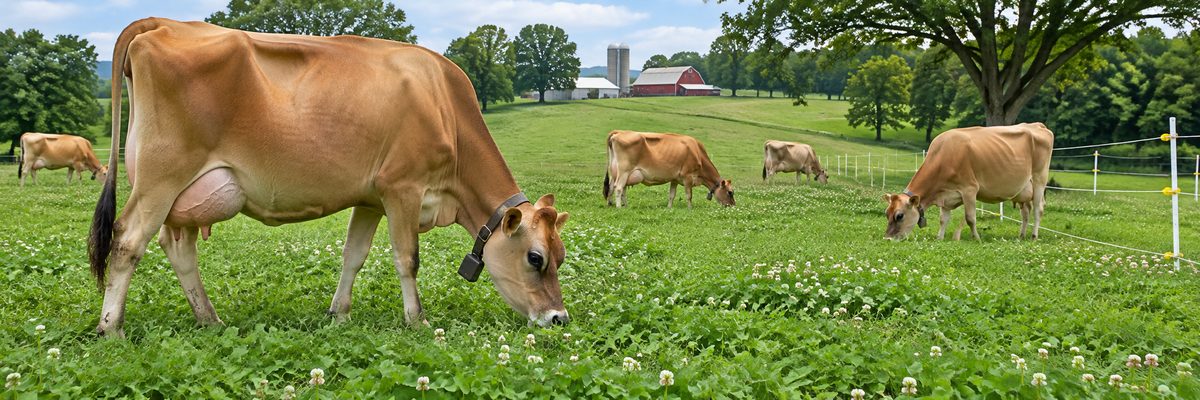
A grazing dairy in cold country runs on a calendar that the grass keeps and the cows enforce. Miss turnout by a week and the pasture is ahead of you for the rest of the season. Hold the cows in too long in spring and the best feed of the year goes to seed.
What follows is a general season-by-season rhythm for cool-climate, cool-season grass dairies in the Northeast and Upper Midwest. Dates slide north and south and with elevation, so use it as a framework and let your own pastures set the exact timing. Your extension grazing specialist and your local NRCS office know the specifics of your soils and your last frost better than any article can.
Late winter: the paperwork season
Late winter is for the jobs that don't get done when the grass is growing. Walk the farm plan, check fence supplies, test the energizer, fix gates, order seed and minerals and sketch paddock layouts on paper. Look at last year's records: which paddocks grew grass early, which ones stayed wet, and where the cows ran out of feed first. If you're calving seasonally, this is also fresh cow time, a topic covered in seasonal calving on a grazing dairy.
Stored feed should be carrying the herd. If you're running short, deal with it now. Buying hay in March costs more than buying it in October, and the cows will not be sympathetic.
Early spring: patience and mud
The hardest skill in early spring is waiting. Cool-season grasses start growing before the ground is firm. Turning cows out onto soft sod pugs it up, damages the plants and sets the paddock back for months. Wait for firm footing and enough growth that the cows aren't just grazing the crowns. Many graziers begin by turning cows out on the driest, best-drained paddocks for a few hours a day, along with stored feed, so the rumen can adjust gradually to lush spring growth. For wet-weather survival tactics, see mud, wet paddocks and lameness in grazing herds.
Check fences before the first turnout, not after the first escape. The cow that knows exactly where the weak spot in the fence is has been thinking about it all winter.
Late spring: the flush
Grass grows faster in May and early June than the herd can eat it. That's when you shorten the rotation, move cows quickly and look for surplus. Paddocks the herd can't keep up with are your hay, baleage or silage for winter. Take them out of the rotation, harvest them and put them back. If you let everything get ahead of the cows, the pasture heads out, quality falls, and milk follows.
Bloat risk can rise on lush legume-rich pasture, so read up on bloat prevention on clover and alfalfa pasture, and talk to your veterinarian about your herd's risk. Also keep an eye on grain: cows on spring grass need less than you think, and how much grain grazing dairy cows really need goes into the balance.
Summer: the slump
By July and August, cool-season grasses slow down, especially in dry spells. Regrowth takes longer, so lengthen the rest period between grazings and slow the rotation. Don't graze too close in summer, since leaving more leaf area helps the plants recover and protects against drought. Provide shade and plenty of water, as milk production drops quickly when cows are hot or thirsty. A hot day with a dry trough is a short conversation with an unhappy cow. Water placement and shade are covered in shade and water for grazing cows in hot weather.
Plan for some feed to fill the gap: stored forage, a summer annual like sorghum-sudan grass or millet in the hottest areas, or a larger pasture area for the same herd. If the slump comes every year, it's not a surprise, so budget for it.
Late summer and early fall: stockpile and plan
Late summer is the time to set aside pasture for fall and early winter grazing. Stockpiled pasture is forage you let grow without grazing so it can be used later, a technique that can stretch the grazing season and cut winter feed bills. Timing depends on your region and grass species, and stockpiling pasture for winter grazing explains how it works. Fall regrowth in cool-season grass can be strong, so the second flush of the year is often a real bonus.
This is also the time to look over fencing, line up winter housing, and test hay and baleage so you know what the cows are eating. Bring the dry cow plan into focus too.
Late fall: last grazing and transition
Move cows through the last of the pasture as growth slows. Leave enough residual in the paddocks for good early growth next spring. Then transition cows slowly to winter feeds, since a sudden jump from pasture to a heavy stored forage ration can upset the rumen and drop milk. Dry cows and heifers go on their winter plan. Mineral, water and bedding need an inspection before the first hard freeze, not after.
Winter: feeding and watching
Winter is feeding stored forage, keeping water from freezing, managing manure and watching body condition. A pasture-based herd still needs a solid ration and a dry, wind-protected place to rest. Winter plans are discussed in winter feeding plans for a pasture-based dairy. Winter is also a good time to review the grazing plan with your advisor.
The calendar at a glance
| Season | Main jobs | Watch for |
|---|---|---|
| Late winter | Repairs, seed and mineral orders, plans | Short stored feed |
| Early spring | Gradual turnout, fence checks | Soft ground, sod damage |
| Late spring | Fast rotation, harvest surplus | Overgrown paddocks, bloat risk, too much grain |
| Summer | Longer rest, shade and water | Heat stress, slow regrowth, overgrazing |
| Late summer | Set aside stockpile | Dry spells |
| Fall | Last grazing, ration transition | Pasture residual, early snow |
| Winter | Stored feed, water, condition | Frozen lines, mud, low intake |
Where this shifts
In the Upper Midwest, winters are longer and colder, so the stored feed period runs longer and fall stockpile matters more. In the Northeast, hills, rock and wet springs mean mud and paddock access can be the limiting factor. Farther north and at higher elevation, everything slides later. Spring-calving herds will line up their calendar differently than year-round calving herds, and organic dairies must meet pasture rules, covered in the organic pasture rule.
For regional grazing information, extension groups like University of Minnesota Extension and Cornell PRO-DAIRY publish dairy and forage resources for cold-climate farms.
Quick answers
When should I turn cows out in spring?
When the ground is firm enough to graze without tearing the sod and the grass has enough growth, often with a few hours a day at first. Go by pasture condition, not the date on the calendar.
What is the summer slump?
It's the mid-summer drop in growth of cool-season pasture during heat and dry weather. Plan for it with longer rest periods, stored feed, or summer annual forages.
How long can a grazing dairy keep cows on pasture in cold country?
It depends on weather and your management. Stockpiled pasture, fall regrowth and good paddock layout can stretch the grazing season, but most cold-climate farms still rely on stored feed through the heart of winter.