Grazing, Organic & Small Dairies
Making Butter From Your Own Cream
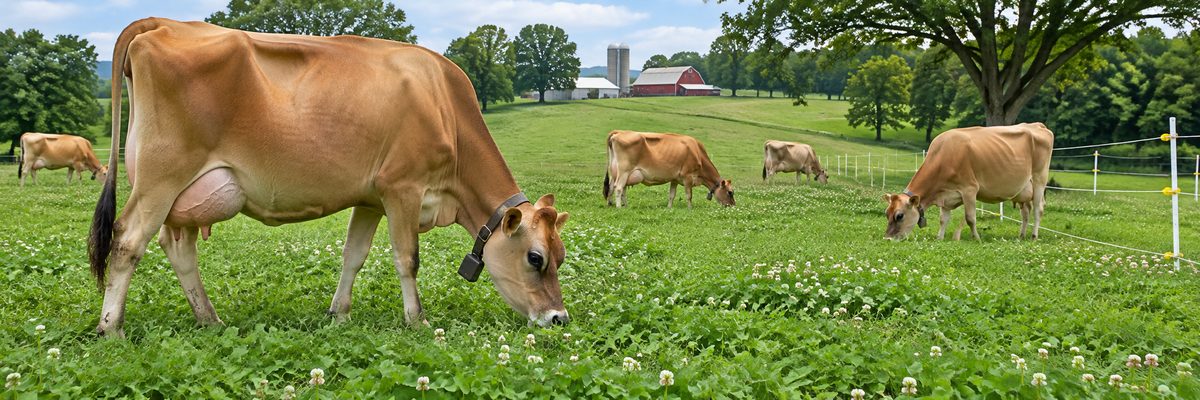
There's a point in every churn of butter, usually after a long stretch of nothing, when the sloshing sound changes and the cream suddenly breaks into grains floating in buttermilk. It feels like magic the first time. It's actually just fat clumping together, and it's a good reason to keep a family cow.
The short version of the process: get the cream off the milk, chill and optionally ripen it, churn it at a cool temperature until butter grains form, drain the buttermilk, wash and work the butter, salt it if you like, and keep it cold. Most of the difference between mediocre butter and great butter lies in temperature and in how thoroughly you remove the buttermilk.
Getting the cream
You have two routes. Which one you pick depends on how much milk you're handling.
Gravity separation
Chill fresh milk and let it stand undisturbed. Fat is lighter than the rest of the milk, so cream rises to the top over about a day. You skim it off with a ladle or a purpose-made spigot jar. It costs almost nothing and works well with breeds that have large fat globules, like Jerseys and Guernseys. It also leaves more fat in the skim milk than a machine would, and it takes patience and refrigerator space. If you've been wondering which breeds suit this, the best breed for a family milk cow goes into the trade-offs.
Cream separator
A hand-crank or electric cream separator spins the milk and pulls off cream quickly and cleanly, with less fat left behind. They're worth the money if you milk more than one cow or want cream every day. They also have a lot of small parts that must be washed and sanitized after each use. A separator you don't clean properly is a bacteria factory with a nice paint job.
Either way, start with clean milk, cooled promptly. If you're not sure your handling is up to it, cooling and storing family cow milk is the place to tighten it up, because butter inherits every flavor the milk has.
Sweet cream or cultured
You can churn fresh cream, which gives a sweet cream butter with a mild, clean flavor. Or you can let the cream ripen with a culture or a few hours of controlled warmth before churning, which gives cultured butter with a tangier, more complex taste and a more pronounced aroma. The by-product, buttermilk, is thin and mildly sour from cultured cream and is good for baking, pancakes and feeding hogs.
Ripening should be done with a starter culture and clean equipment, not just by leaving cream on the counter and hoping. Cream that's gone off by accident doesn't make good butter, and unplanned bacteria can cause real food safety problems. If the cream smells wrong, don't churn it.
Churning step by step
- Chill the cream to a cool churning temperature, often in the 50s Fahrenheit. Too warm and the butter turns greasy and soft; too cold and it takes forever.
- Don't overfill the churn. Fill it about half full so the cream has room to move and incorporate air.
- Churn. It will go through whipped cream first, then break. When you see grains about the size of rice or small peas and a thin liquid, stop.
- Drain the buttermilk through a strainer. Save it.
- Wash the butter with cold, clean water, working it gently and changing the water until it runs clear. Buttermilk left in butter sours it fast.
- Work it with a paddle or clean wooden spoon to press out remaining water.
- Salt to taste, if you want salted butter, and work it in evenly. Salt also helps keep the butter longer.
- Shape and chill in a mold or wrapped in parchment. Store cold.
In a stand mixer or food processor you'll get through the stages in minutes, and it's worth watching because the transition is quick. A jar and a lot of arm strength works too, and kids love it for about four minutes. If your own household is competitive about these things, this farm.FM piece on butter carving as a national competitive sport among dairy farmers suggests there are higher levels to reach once the churning is mastered.
Yield and what to expect
The amount of butter you get depends on how much fat is in your cream and how well you separated it. Jersey and Guernsey milk, with higher butterfat, yields more butter per gallon than a typical Holstein. A good rule is to think in terms of pounds of cream rather than gallons of milk, and to weigh your results over several batches until you know what your cow actually delivers. Federal standards define butter as containing at least 80 percent milkfat, which is a useful reference point if you ever want to sell it, because butter with too much water or buttermilk doesn't meet it.
Storing it
Butter keeps well when it's washed properly, salted and kept cold. Unsalted butter has a shorter life. Wrap it well, since butter absorbs odors from the fridge like a sponge, and freeze what you won't use soon. If it develops sour, rancid or cheesy smells, or any mold, discard it.
Saving cream for a big batch
Plenty of people save a few days of skimmed cream and churn it all at once. That works if the cream stays cold and clean the whole time, but it adds flavor variation and gives bacteria more time. Keep it covered and chilled, and use a fresh batch when you're starting out.
Giving it away versus selling it
Making butter for your own table is one thing. Selling it, even at a farm stand, is a regulated activity in most states, and the rules depend on whether the cream comes from raw or pasteurized milk and on your state's dairy laws. Many states require pasteurization, a licensed facility and specific labeling. When you're ready to think about it, making and selling butter from farm cream covers the business side, and milk labeling rules for farm bottlers shows how seriously labels are taken.
For a deeper technical look at butter making and quality, the Wisconsin Center for Dairy Research has a butter page that describes buttermaking courses and resources.
Quick answers
Why won't my cream turn to butter?
Usually the cream is too warm or too cold, or the churn is too full. Bring the cream to a cool temperature, fill the container only partway, and keep going; it can take longer than you'd expect.
How long does homemade butter last?
Well-washed salted butter kept cold lasts longer than unsalted butter that still holds some buttermilk. Freeze extra, and throw it out if it smells sour or rancid.
Do I need a cream separator?
Not for one cow. Gravity separation in the refrigerator works if you're patient. A separator saves time and pulls more fat, which matters if you're making butter regularly or from several animals.