Grazing, Organic & Small Dairies
Stockpiling Pasture for Winter Grazing Dairy Cows
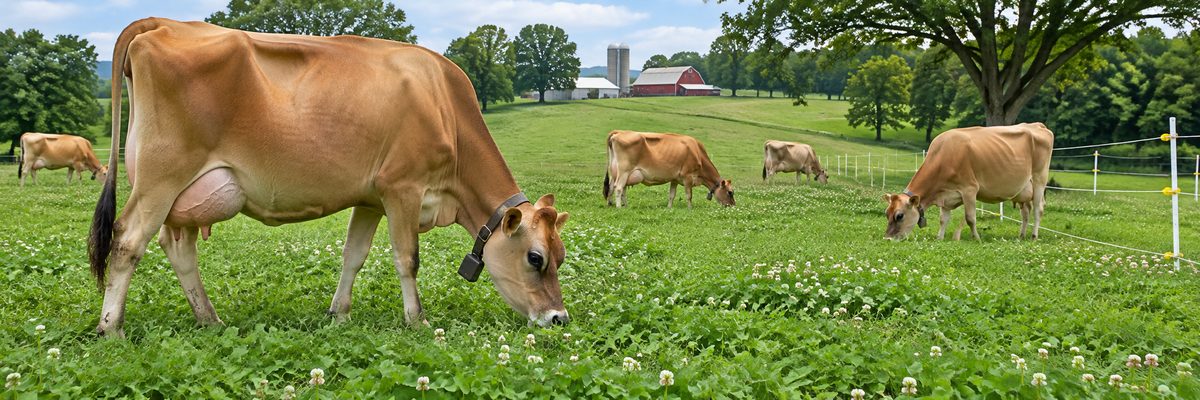
Stockpiling means letting pasture grow in late summer and fall, then grazing it after the usual season ends instead of cutting and storing the same feed. Done right, cows harvest it themselves, which saves tractor time, fuel and bale wrap. Done wrong, you get a field of rank, frosted grass that cows pick at while the milk tank drops.
The basic recipe is simple. Stop grazing a set of paddocks in late summer, clip or graze them to a short stubble, apply nitrogen if the budget allows, then leave them alone until the grass slows or stops. Save them for the animals that can use them best, which are usually dry cows and heifers, with milking cows on stockpile only if the ration is balanced to match.
Which grasses stockpile well
Not all pasture species hold up once frost hits. The University of Maryland Extension's article on stockpiling pasture for fall and winter grazing says tall fescue is especially well suited, because it accumulates a lot of fall growth, tolerates cold without losing much quality, has a waxy leaf surface that resists frost damage and forms a sod that stands up to hoof traffic. Ohio State's fact sheet on stockpiling cool-season grasses with fall nitrogen lists orchardgrass and Kentucky bluegrass as other candidates and calls tall fescue the most desirable grass to stockpile for late-fall and winter grazing, noting that winter grazing has little effect on the next season's yield or quality.
Tall fescue's reputation among dairy people is mixed because of the fungal endophyte in many older stands, which can cause animal health problems, mostly in summer heat. The Ohio fact sheet says those problems are less common in fall and winter. If lactating cows will graze it, talk with your extension specialist or vet about endophyte status and novel-endophyte varieties first.
Timeline and steps
- Pick the paddocks. Choose well-drained fields with a good stand of fescue or other grass that holds quality. Avoid wet, low spots that cows will wreck in December.
- Start in late summer. Maryland Extension says early August is when to begin in its region. Timing shifts with latitude and growing season, so ask your local specialist for your calendar.
- Take it down short. Graze or clip to a 3 to 4 inch stubble so the stockpile grows from fresh regrowth, not old stem.
- Consider nitrogen. The Maryland piece suggests roughly 40 to 60 pounds of nitrogen per acre after livestock are removed to boost fall growth. Soil test, manure history, legume content and fertilizer cost all matter, and an extension agent or crop adviser can set a rate for you. Not every nitrogen source performs the same in hot, humid weather, and urea-based products can lose nitrogen to the air, as that article explains.
- Let it grow. Keep cows off until growth slows or stops with the cold.
- Test it. Sample the stockpile like any other forage before you ration, using the steps in how to sample forage for a lab analysis.
- Graze in strips. Give the herd enough for a day or two at a time with a back fence, rather than opening the whole field.
Which cows should eat it
| Group | Fit | Notes |
|---|---|---|
| Dry cows (far-off) | Often a good match | Watch body condition, keep minerals out, and plan the close-up ration separately |
| Bred heifers | Good match | Keep an eye on growth, since stockpile can be lower in energy than good hay or silage |
| Late-lactation cows | Can work with supplement | May need energy and protein balanced to the test |
| Fresh and high-producing cows | Usually a poor primary feed | Their intake and energy demands generally call for higher-quality stored feed |
In a mixed herd, many farms graze dry cows and heifers on stockpile first, saving the best stored forage for the parlor string. Dry cow feeding details are in how to feed dry cows before calving.
Regional fit
- Mid-Atlantic, Ohio Valley and the Upper South: The home turf of stockpiled tall fescue, where winter grazing can run well into the cold months.
- Northeast and Upper Midwest: Stockpile works best for a few weeks into late fall and early winter, before snow and ice cover the grass. Deep snow cuts it short, so have stored feed ready. A month-by-month view is in a grazing calendar for the Northeast and Upper Midwest.
- Southeast: Stockpiled bermudagrass and fescue can extend grazing, though many herds lean more on winter annuals. The plan fits alongside pasture dairying in the Southeast and Southwest.
- West and Mountain West: Cold, short seasons and irrigation shutoff limit it, though some farms in milder valleys can use fall growth into early winter.
Mistakes to avoid
- Starting too late. Stockpile needs weeks of growth before frost, and a skipped August is a skipped chance.
- Skipping the stubble step, so the cows are eating old stem all winter and hating it.
- Opening the whole field at once. Cows will trample and waste half of what they can't eat today.
- Feeding the stockpile to your best cows and expecting the same milk as with silage.
- Forgetting a back-up plan. A snow cover that arrives early will sit on your stockpile like a lid.
- Leaving the gate off the stockpile paddock. Somebody always finds it.
How it fits the winter plan
Stockpiled pasture is one piece of the winter feed budget, not a substitute for it. It reduces how much hay, baleage or silage you need to put up, and it moves some labor from the tractor to the fence. The total plan, including inventory, groups and backup feed, is in winter feeding plans for a pasture-based dairy.
Quick answers
When should I stockpile pasture?
Typically starting in late summer, often around early August in mid-Atlantic conditions, so the grass can build growth before cold weather. Your local extension forage specialist can set the date for your region.
Do I have to fertilize stockpiled pasture?
No, but nitrogen can boost fall yield and quality on grass pastures. Whether it pays depends on the cost of nitrogen, your stand and your goals. Pastures with plenty of clover may need less.
Can lactating cows live on stockpiled grass?
Not usually as the only feed. Stockpile can supply part of the ration for lactating cows if it is tested and balanced with energy and protein supplements. Dry cows and heifers use it more easily.