Grazing, Organic & Small Dairies
Training Cows to Respect Fence and Move Paddocks Smoothly
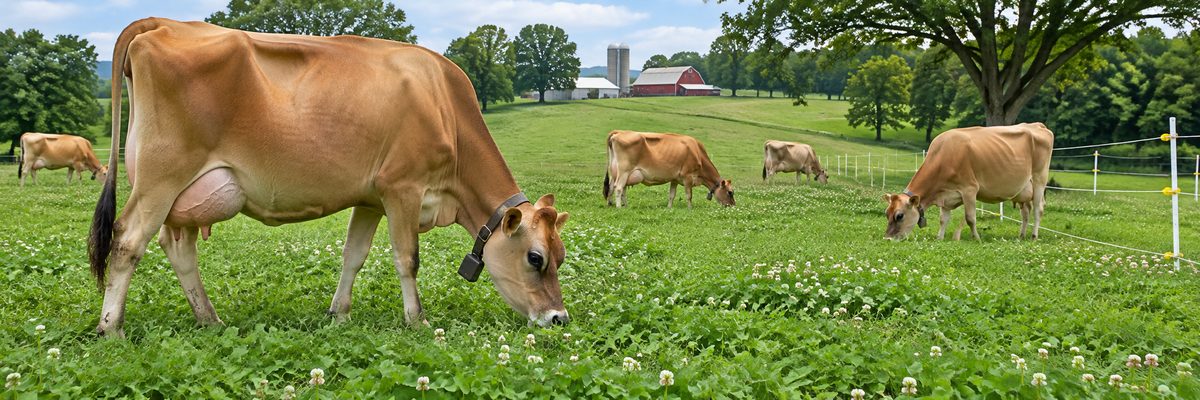
A strand of polywire holds a cow in about the same way a promise holds a toddler: only if she's been told what happens next. An untrained cow looks at a hot wire, a paddock of fresh grass on the other side and a quiet farmer, and she makes a sensible decision. The wire has to be a lesson before it's a fence.
The short version is that training takes a day, not a season, if you do it in a small, secure area with a working fence and let the cows find out for themselves. Moving paddocks smoothly is a separate skill, and it mostly comes down to a steady routine and fresh grass that cows learn to expect.
Here's how to do both without chasing animals down the county road.
Train the fence first, in a small place
University of Maine Cooperative Extension's lesson on training livestock to electric fences is blunt about it: an electric fence isn't finished until the animals have been trained to respect it. Their method is easy to copy:
- Build a small training area with a solid perimeter of woven wire or boards, and put the electric fence inside it. Small means less time for the lesson and less time gathering anyone who goes through.
- Turn the cows in and leave them alone. Cattle are curious, and they'll investigate the fence on their own. The first shock surprises them. Some back up, some bolt forward.
- Watch, don't herd. Do not push animals into the fence, and give them an escape route. The second time a cow checks the wire she usually does it ready to back up, and the extension lesson says it's rare for an animal to test a fence a third time.
- Add a little incentive if needed. Hay or grain on the far side of the wire can speed things up, though the lesson says it's usually unnecessary.
Depending on herd size and the size of the pen, training usually takes no more than a day, according to the same source. Animals also need retraining each spring, so a herd that was perfect last October should still get a quick refresher before the first big grazing move.
Two caveats. A long, thick winter coat can insulate a cow from the shock, so check how well the fence is working with a tester, not just your hand. And a cow that keeps challenging the fence after several shocks may be a candidate for the cull list, which UMaine's lesson recommends. That's a judgment call for you and your herd's records, not a first-day decision.
Make sure the fence is actually hot
You can train every cow on the farm and still lose to a weak charger or a poor ground. If the wire isn't delivering a good shock, cows learn the lesson you didn't want to teach: that the wire is only a suggestion.
- Use a fence tester, not a blade of grass and your finger. Follow your energizer maker's guidance on the voltage you should see at the far end of the line.
- Check the ground system. Dry, sandy or frozen soil makes grounding harder. Add ground rods, or run a ground wire, if the fence is weak in dry weather.
- Watch for vegetation on the line. Grass and weeds leaking charge to the ground lower the shock at the far end. Keep the bottom wire clear.
- Keep spare parts handy. A few step-in posts, a roll of polywire, a handful of connectors and a tester will save a chase.
Virginia Tech's publication on reducing labor when using temporary electric fencing is a practical read for dairy graziers who want to move fence quickly without turning every move into a project. For fence choices and layouts, see fencing for grazing dairy cows.
Teach the move, not just the wire
Once cows respect the fence, getting them to move on cue is about routine. Cows are creatures of habit, and a herd that knows what happens at 4 p.m. will often be waiting at the gate with an expression that says you're late.
Build a predictable pattern
Move at the same time each day, or after the same milking, and always to fresh grass. Cows quickly figure out that the gate opening means something good. If you want smoother moves, how to start rotational grazing with dairy cows covers the move rhythm in more detail.
Use leaders and let the herd follow
Older, experienced cows tend to lead, and the rest follow. When you introduce new heifers, run them with the herd so they learn the routine from cows who already know it. This is also why training first-calf heifers to the parlor works best when they have older cows to copy. Heifers raised on pasture with the herd before they calve usually adjust faster than heifers brought in cold.
Open the next paddock, don't push the herd
For a strip or paddock move, set up the new break before you take the old one down. Open the polywire gap or lift the reel and step back. Cows that are hungry and used to the pattern will walk through without being herded. If you have to push, you've either picked the wrong time or the new paddock isn't attractive enough yet. The size of the break matters too; how big each paddock should be helps with that.
Keep the lane and the water simple
A firm lane and a water tank that's easy to reach make moves faster. Cows won't hurry through a muddy gateway, and they won't follow a leader into a paddock where the water is on the far side of a ditch.
Common fence-and-move mistakes
- Skipping training. This is the number one source of gathering cows from the neighbor's corn.
- Training in a big pasture. A big paddock gives the cow too much room and too many options to get through the wire.
- Moving at random times. Cows learn the clock. If the schedule changes daily, you'll be doing the pushing.
- Letting the fence run weak. Once a cow learns the wire is cold, she tells everyone.
- Sending in a loud dog or a fast four-wheeler. Calm moves pay back. A stressed herd bolts, and a bolting herd goes through fences.
When the herd wants more than grass
If your cows are the type to hold out for better amenities, this farm.FM piece about Texas cows that won't graze without Wi-Fi suggests the fence is the least of your problems. In real life, fresh grass in the next paddock is the only streaming service a cow wants.
Regional notes
In the Northeast and Upper Midwest, frozen ground makes grounding tough, so winter and early spring fences need extra attention. In the Southeast, fast-growing vegetation can short out lines in a week, so keep trimming. In dry Southwest and Mountain West soils, plan for good grounding with more rods, and consider a wider, more visible wire for new cows. In every region, check local rules for electric fencing near roads and public land, and use signs.
Quick answers
How long does it take to train cows to an electric fence?
Often about a day in a small, secure training area, according to University of Maine Extension. Most animals test the wire once or twice and learn quickly, though it's smart to refresh the lesson each spring.
How do I get cows to move to a new paddock easily?
Move at predictable times, to fresh grass, with the new break ready before you open the old one. Cows follow leaders, so keep experienced cows with younger ones and let hunger do the work instead of pushing.
Why do my cows keep going through the fence?
Check the fence first: a weak charger, poor ground or vegetation on the wire is more common than a determined cow. If the fence tests hot and a few cows keep challenging it, keep records and talk to your vet or advisor about whether those animals belong in the herd.