Grazing, Organic & Small Dairies
Seasonal Calving on a Grazing Dairy: Pros and Cons
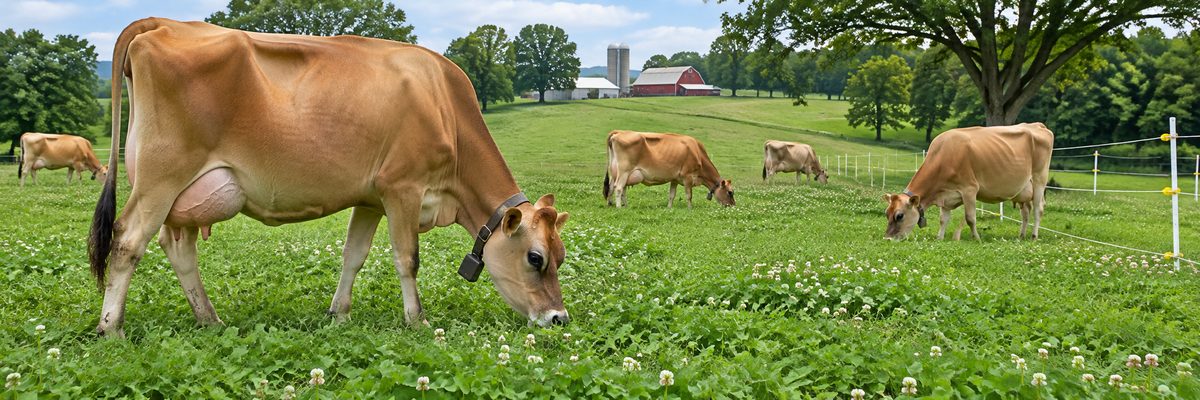
Seasonal calving means most of the herd freshens in one tight window, usually late winter into spring, so peak milk lines up with peak grass. Year-round calving spreads cows across the calendar so milk ships every month of the year at a steady rate. Neither is right for everyone. The choice hangs on your pasture, your buyer, your labor and how good your cows are at getting pregnant on schedule.
For a pasture-based herd, seasonal calving is attractive because cows need the most feed right after calving, and that is when spring grass is at its best. The tradeoff is that it puts a great deal of work into a few weeks and gives you a hard breeding deadline. Miss it and the cow doesn't get a second chance at that window, and she will not apologize for it.
What seasonal calving looks like in practice
The idea comes from systems in New Zealand and Ireland that build the whole farm around grass, and a number of US grazing dairies have adapted it. The cow is bred so she calves about when grass starts to grow, milks through the season, dries off for a rest in the winter, and calves again. In the strictest form, cows that don't get bred in the window are culled or moved to a later group. Many US farms run a looser version, with a spring and a fall calving group, or a spring block with a few stragglers.
A herd that calves in one block needs cows that reach conception on a tight schedule. That's where the calving interval comes in. A 12-month interval is the target for seasonal systems, and every cow has to meet it, which is a high bar for a herd that has a few cows with their own opinions about schedules. The cost of missing is explained in what a day open costs.
Advantages
- Milk follows grass. Peak intake matches peak pasture, so you spend less on purchased feed in the months when cows eat the most.
- A built-in break. A herd that dries off in the same few weeks gives people a winter rest. For a small family dairy, a real vacation is a major benefit.
- Labor focus. Calving, breeding and dry-off each become a short, intense job rather than a year-round chore, which allows for focused training and help.
- Simple groups. Most cows are in the same stage of lactation, so feeding, treatment and breeding decisions apply to the whole herd.
- Calf management in batches. Calf feeding, vaccination and weaning can be done in groups with similar ages.
- Selection pressure. Culling cows that don't fit the window shapes a herd with good fertility over time.
Disadvantages
- Uneven milk check. Income bunches up in spring and summer and thins in winter. The feed dealer and the bank don't read the calendar, and your cash flow projection needs to account for it.
- Buyer restrictions. Some milk buyers and cooperatives want steady volume year-round and may pay incentives for fall and winter milk, or may limit new seasonal shippers. Ask your handler and read the contract before building a plan around a spring bulge.
- High breeding pressure. The breeding season is short. Cows have to be cycling and bred early, and heat detection or timed AI has to run perfectly for a few weeks.
- Calving crunch. Dozens of cows can calve in a few weeks, and it often happens in the wettest, muddiest weather. A calving pen that works for two cows may not work for twenty, and the cows all seem to pick 3 a.m. and a cold rain.
- Cull risk. Cows that are good producers but late to get pregnant may leave the herd, which hurts if you're also trying to build numbers.
- Lower winter milk. The fresh-cow premium that fluid markets pay in some regions is out of reach if you have no winter milk.
Seasonal vs year-round: side by side
| Factor | Seasonal (spring block) | Year-round |
|---|---|---|
| Feed match | Strong match with pasture | Needs stored feed to carry fresh cows through winter |
| Milk check | Bunched, with a dry winter | Steady |
| Labor | Peaks hard, then eases | Even but never ends |
| Breeding | Short, intense window | Continuous, more forgiving |
| Culling | Late cows are at risk | Late cows can catch up |
| Buyer fit | Depends on buyer and contract | Fits most buyers |
Regional fit
In the Northeast and Upper Midwest, where winters shut down pasture, spring calving fits the grass and gives a natural winter dry period, which is why many northern grazing dairies lean that way. A look at the season is in a grazing calendar for the Northeast and Upper Midwest. In the Southeast, summer heat and humidity can be harder on fresh cows than winter, so many herds calve in fall to keep milk peaks out of the worst heat. On irrigated West Coast and Mountain West pastures, where growth continues longer, farms can have a looser calving pattern and still keep grass in the ration.
Making the switch
Most farms don't flip to seasonal in a single move. A typical path:
- Look at your current calving pattern. How many cows would fall in the target window, and how many wouldn't?
- Check with your milk buyer about seasonal volume and any incentives or limits.
- Work with your vet and herd advisor on reproduction, including the voluntary waiting period and a breeding program that gets cows bred when needed.
- Shift breeding gradually, extending dry periods for some cows and shortening others, so you narrow the calving spread over a couple of seasons.
- Plan for the calving rush, with enough clean pens, hands and colostrum.
- Run the numbers on cash flow, feed, and what happens if milk price drops in the months when you ship the most.
Penn State Extension's page on grazing management for organic, grass-fed or conventional dairies is useful for the feed side, especially on matching pasture supply to cow demand.
Quick answers
Can a small dairy do seasonal calving?
Yes, and many small grazing dairies like it for the schedule and the winter break. The risks are the breeding window and the milk check, so test both on paper before you commit.
What happens to cows that don't get bred in time?
On a strict seasonal system they are usually culled or held for a later group. Many US farms keep a more flexible approach, with a small second calving group, so a late cow doesn't leave the herd by default. Talk with your vet about causes before you decide.
Will my milk buyer take seasonal milk?
It depends. Some handlers welcome spring milk for cheese or manufacturing plants. Others want even volume and pay for fall and winter milk. Check with your buyer before you change the calving plan.