Grazing, Organic & Small Dairies
Shade and Water for Grazing Cows in Hot Weather
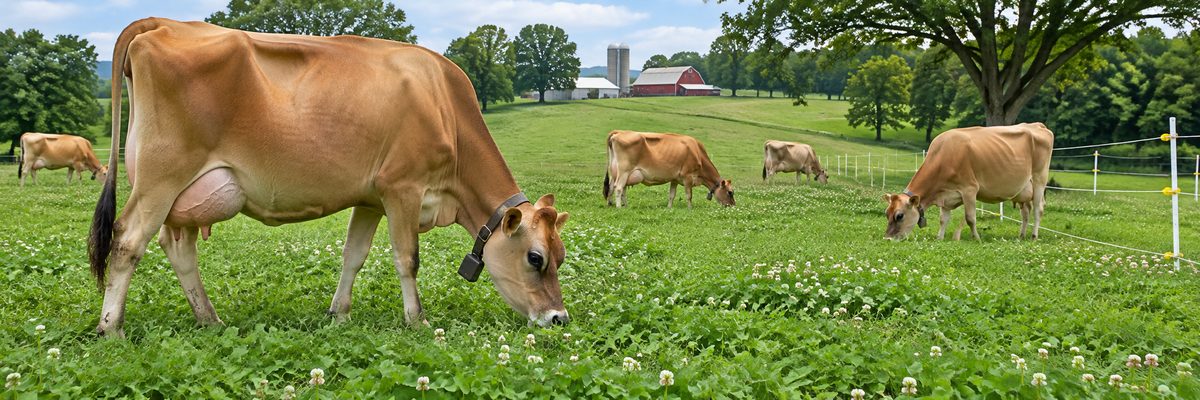
A cow on pasture in July has two jobs: eat enough grass and stay cool enough to want to. When the second job fails, the first one quietly stops. The herd stands in the one patch of shade like commuters on a stalled train, bunches around the tank, and the milk check shows it a day or two later.
You can't air-condition a pasture, but you can control the two things cows care about most on a hot day, which are cool water they can reach easily and shade they can spread out in. Everything else (grazing at night, feeding some stored forage, giving the parlor wait a fan) is adjustment around those two.
Here's how to set them up so the hot stretch costs you less.
When heat starts to cost you milk
University of Wisconsin Extension notes that cattle are in their comfort zone, where they don't spend extra energy holding body temperature steady, at roughly 41 to 77 degrees Fahrenheit. Above that, especially with high humidity and especially if nights stay above 70, production can slip, and the drop sometimes lags the hot weather by a day or two. Their guide to hot weather in grazing systems lists the early signs to look for: more standing, shade seeking, faster breathing, more drinking, and cows bunching around water. Open-mouth panting, stringy drool or a tongue hanging out means the cow is in real trouble.
That's a reason to walk the herd at midday at least once during a heat wave, not just at milking. Cows that look fine at 5 a.m. in the parlor can look very different at 2 p.m. in the paddock, when the only thing moving is the horseflies. If you want a refresher, reading cow behavior to spot heat stress goes through the signs in more detail.
Water first
Cows drink a lot more in heat, and they need the flow rate to keep up when several drink at once. A tank that's too small or refills too slowly means the boss cows drink and the shy ones go without. A few rules from Wisconsin's guidance that are worth borrowing:
- Keep the tank close. When water is within about 600 feet of every part of the paddock, cows tend to drink one at a time through the day. Past about 900 feet, they tend to walk and drink as a group and then loiter at the tank.
- Water at the parlor exit. Giving cows a drink as they leave the parlor catches them when they're thirsty and waiting to head back out. Use big tanks that refill quickly.
- Move the portable tank. Shifting it every few days keeps cows from trampling one bare ring into a mud wallow. If it can't move, add wood chips or rock around it.
- Don't count on a creek. A stream can work if you manage access well, with a stabilized crossing and short stays, but unrestricted streams are a water quality and hoof-health problem. NRCS can help design watering systems and crossings, and may have cost-share, depending on your state.
Cows that drink more also urinate more and lose minerals, so Wisconsin suggests bumping up potassium, sodium and magnesium in the concentrate or free-choice mineral. Talk to your nutritionist before you change the program. For the numbers on how much a lactating cow really drinks, see water needs of dairy cows.
Shade: trees, portable and buildings
Cows will pick shade over almost everything, including the fresh grass you just moved them onto, and Wisconsin says studies back that up. How you provide it matters.
Trees
Scattered trees work if there are enough of them that the herd can spread out. One lonely tree is a traffic jam, with the same energy as the only restroom at a county fair, and crowding under it leads to bare patches, heavy manure and urine, and a higher mastitis risk. Prune lower branches for airflow. If the best shade is a woodlot, the guidance is to fence off the interior and let cows use just the first 30 to 80 feet if the woods are big enough, or divide a small woodlot into sections and rotate every 48 hours or sooner. Woodland soils compact easily and cows scratch trees to death, so give the woods a long recovery. Also make sure cows have plenty of good forage so they don't browse something toxic.
Portable shade
Portable shade structures put the shade where you want it and move with the herd. Wisconsin's numbers are an absolute minimum of 40 square feet per cow to help production, and up to 100 square feet per cow for the best welfare. If the shade can't hold the whole group, drop the number of cows in that paddock, because crowding in shade is its own problem. Moving the structure daily protects the sod from congregation damage.
Buildings
A well-ventilated barn or loafing shed can be the best shade on the farm. Many grazing herds keep cows inside, or in a shaded paddock near the barn, during the hottest hours, then send them to pasture in the evening and overnight, when they'll graze after sunset and in the early morning. Fans and soakers at the barn or holding pen help too, and cooling the holding pen before milking and sprinklers and soakers go over the equipment side.
Adjusting the grazing plan
Don't fight the cow's schedule. In hot weather, most of the grazing shifts to cooler hours anyway, so the best use of your time is making those hours count.
- Give the best grass at the cool times. Move cows onto fresh paddock in the evening, and again early morning if you can.
- Use shade paddocks only on hot days. Wisconsin suggests reserving tree-shade paddocks for the heat and rotating cows to open pasture at night.
- Offer stored forage. When intake from grazing drops, hay, baleage or silage can help hold dry matter intake in mild heat stress.
- Handle cows less. Skip extra sorting, moving and vet work on the worst afternoons. A cow that's already hot doesn't need to be chased, and neither does the hired man.
If your pasture heat is as much humidity as temperature, see humid heat cow cooling in the Southeast, and pasture dairying in the Southeast and Southwest for forage and grazing-season choices that fit.
Regional notes
In the Upper Midwest and Northeast, a handful of really hot days with humid nights can do more damage than a hot, dry week, because cows can't cool down overnight. Plan shade and water before July, not during it. In the Southeast, heat and humidity run for months, so many herds lean on night grazing and building-based cooling. In the arid Southwest and Mountain West, dry heat makes soakers work well, and irrigated pasture needs its own water plan. Breed matters too: smaller-framed Jerseys and crosses often handle heat better than big Holsteins on grass, which is worth considering when you replace cows.
Quick answers
How much shade does a grazing cow need?
Wisconsin Extension gives an absolute minimum of 40 square feet per cow to help production and up to 100 square feet per cow for the best welfare, with the structures moved daily. If the shade can't cover the herd, reduce the number of cows using it at one time.
How far should water be from the paddock?
Closer is better. Tanks within roughly 600 feet of any part of the paddock encourage cows to drink individually, while distances over about 900 feet tend to make them drink as a group and crowd the tank. Whatever you have, make sure the tank refills fast enough for several cows at once.
Should I keep grazing cows on pasture during a heat wave?
Often yes, but on a different schedule. Use shade paddocks or a cooled barn during the hottest hours and shift grazing to evening, night and early morning. Watch for open-mouth panting and drool, which means the cow needs help right away.