Grazing, Organic & Small Dairies
Low-Cost Parlors for Small Grazing Dairies
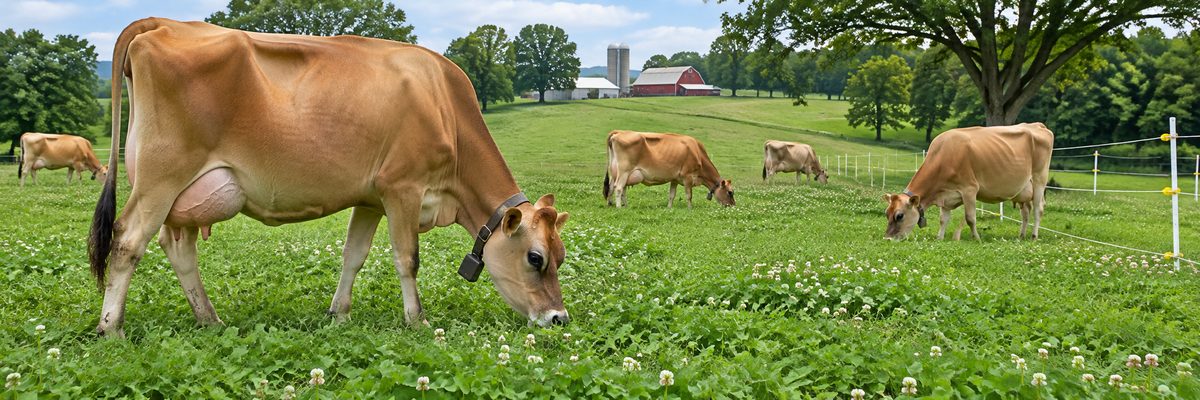
A grazing dairy lives or dies on how fast you can get cows milked and back out on grass. Twice a day, every day, you will stand in whatever you built for the job, so the parlor is the one piece of equipment where "cheap" and "good" had better meet somewhere in the middle. Money you save on steel can disappear in labor, sore backs and cows that won't cooperate.
For small herds the realistic choices are a flat barn with a pipeline or buckets, a low-cost swing parlor, or a small tiestall setup you already own. Each can work. The right one depends on herd size, how many hands you have at milking, whether the cows will be trained to it, and what your state dairy inspector will accept.
Here's how the three compare, and how to decide without regretting it every morning at 4:45.
The three basic options
Flat barn
In a flat barn, cows stand on the same level as the milker, in a simple stall or on a pad, and the operator bends to attach units. Milk goes into a bucket or into a low-line pipeline. It is the cheapest to build, and for a family cow or a handful of cows it is perfectly reasonable. The drawbacks show up as herd size grows: the work is low to the ground, cows move slowly, and a person milking forty cows through a flat setup will feel it in the back and knees long before the bank account notices.
Swing parlor
In a swing parlor, one set of milking units hangs in the middle and swings to serve either side. While cows on one side are being milked, the other side is being loaded and unloaded. The operator stands in a pit, with the udder at a comfortable height. A swing parlor costs more than a flat barn and far less than a double-up herringbone or rotary, and many small seasonal grazing herds are built around one.
Bucket or portable milker
A bucket system, either in a stall or in a flat area, is the minimum-viable setup. It's easy to move, cheap to start and quick to clean for a few cows. At larger numbers it is slow, and lifting full buckets twice a day is hard on the body. It also comes with more hands-on handling of the milk, which matters for quality and for the regulations that apply if you sell it. Tiestall versus parlor milking covers how the routine differs.
What a real small grazing farm did
Progressive Dairy profiled a New York grazier with a seasonal herd of about 65 cows who bought a farm with an existing tiestall barn. The cows hadn't been trained to a tiestall, they didn't adjust, and the bending was no fun for the humans either. He built his own swing-eight parlor inside the old barn, with a counterweighted gate at the front, a pit, and room on each side for cows to enter and leave. With two people milking, he reported getting cows back on pasture in about an hour. The details are in that Progressive Dairy story on retrofitting small parlors on a budget.
It's one farm, not a rule. But it shows the pattern that makes a swing parlor appealing: reuse a building you already own, cut your milking time, and stand upright to do it.
University of Missouri Extension takes a similar approach in its financial model for converting an old herringbone into a swing parlor for a 75-cow rotational grazing dairy. The model's point is that a low-cost retrofit lets a new producer gain labor efficiency without a huge capital outlay, which is often the barrier to getting started. You can read the assumptions in Missouri's guide to converting an existing dairy to a 75-cow grazing dairy. Costs there are for one state at one time, so use them as a structure for your own budget, not a quote.
How to compare them for your farm
| Factor | Flat barn / bucket | Swing parlor | Tiestall (existing) |
|---|---|---|---|
| Upfront cost | Lowest | Moderate | Lowest if you already own it |
| Labor per cow | Highest; bending and carrying | Lower; operator stands in a pit | Moderate; fixed stalls, bending |
| Cow flow | Slow | Good for small herds | Cows can be hard to train from pasture |
| Best herd size | A few cows up to a small herd | Roughly a few dozen up to a modest herd | Small herds already in a tiestall barn |
| Main drawback | Back and knee strain | Needs space, a pit and some design work | Cows used to pasture may resist stalls |
Treat the "best herd size" row as a rough guide, because milking time depends on units, people and cow behavior. A person who's done it will tell you the same thing: ask three people with similar herds and you'll get four opinions.
Questions to answer before you build
- How many people will milk? A one-person setup wants fewer stalls and simple flow. A two-person setup can handle more cows per hour with the same units.
- How many cows, now and in five years? A parlor that fits forty cows will be a slow, annoying bottleneck at ninety. Leave room to add stalls or units.
- Can cows walk to it without a mess? Lane quality and holding area design matter as much as the parlor. A muddy lane eats the labor you saved inside.
- What does your milk buyer or state require? If you ship Grade A milk, the building, wash system, bulk tank and milk house all fall under state dairy regulation, and the rules are not the same everywhere. See preparing for a Grade A milk inspection and call your state dairy regulatory agency early.
- Is the equipment tested? Used units and vacuum systems can hide problems. A milking system check from a qualified technician catches things you can't see; when to do a milking system test explains it.
- Who trains the heifers? First-calf heifers need to meet the parlor before they calve, as described in training first-calf heifers to the parlor.
Where small grazing dairies cut corners safely, and where they don't
Safe places to save: reuse an existing building, build the pit and cow deck yourself if you're handy, buy used milking units from a reputable dealer, and keep the finish plain. Dairy cows do not grade on décor.
Places to be careful: vacuum and pulsation, because bad settings mean slow milking, teat-end damage and mastitis. Wash-up and cooling, because poor sanitation or slow cooling means a quality problem and possibly a rejected load. Cow comfort and footing, because a slick pit-side deck or a sharp turn into the stalls teaches cows to dread the parlor, and they will tell the whole herd. And anything electrical or involving pressurized air or water, where a pro is cheaper than an accident.
Regional notes
In the Northeast and Upper Midwest, an old tiestall or bank barn is often the shell for a retrofit, and cold-weather plumbing and freezing lines are a bigger concern than cow flow. In the Southeast and Southwest, shade and airflow at the holding area matter as much as the parlor, so plan the wait. In irrigated West Coast and Mountain West grazing herds, expect larger numbers and tighter regulatory requirements; small-herd swing parlors are less common there, and a visit to a nearby dairy that uses one is worth the drive. In every region, the state dairy agency and your milk handler set the final rules, and extension dairy specialists are glad to look at a sketch before you pour concrete.
Quick answers
What is the cheapest way to milk a small grazing herd?
Usually a bucket or flat-barn setup, or an existing tiestall if your cows will take to it. It's cheap to start, but it costs you in labor and in strain on your body as the herd grows, so figure the labor into the real cost.
Is a swing parlor worth it for a small herd?
For many seasonal grazing herds, yes, because it brings the operator to a comfortable height and moves cows through faster without the cost of a larger parlor. Get quotes on the equipment and building work, and compare them to the labor you'd save over several seasons.
Do I need a Grade A license to milk with a low-cost parlor?
If you sell milk for fluid use, you'll generally need to meet your state's Grade A requirements for the milking facility, milk house and cooling, regardless of how modest the parlor is. Contact your state dairy regulatory agency before you build, because rules and what's inspected vary.