Feeding Dairy Cows in Hot Weather
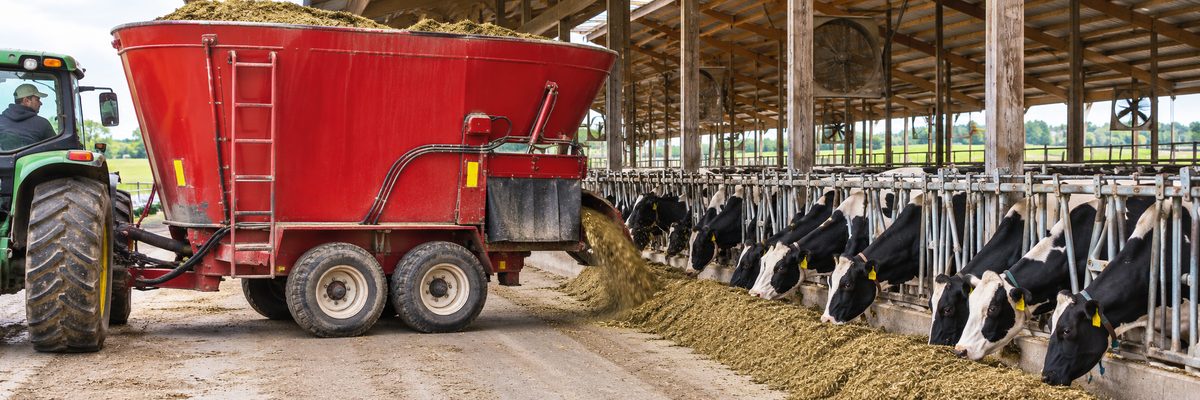
When the heat index climbs, the cow does the sensible thing and stops eating as much. Digesting forage makes heat, so she cuts intake to cool herself, and her milk takes the hit. You can't talk her out of it. What you can do is make eating cooler, easier and more appealing, and give her enough nutrient density in each bite to make up some of the difference.
None of this works without cooling and water. Feed changes help at the margins, but a cow standing in a hot, still barn with a slow trough is losing the argument before the ration gets a vote. Think of feeding strategy as the third leg after shade and airflow, and water.
What heat does to a cow
Heat stress depends on temperature, humidity, sunshine and airflow together, not just the number on the thermometer. High humidity makes it worse because the cow can't shed heat by panting and sweating as well. That's why a muggy Southeast day can be harder on cows than drier desert heat at the same temperature, and why nights matter: cows that never get a cool night never recover.
Common results include lower dry matter intake, lower milk and components, more rumen acidosis risk (cows eat in big meals and sort), reduced fertility, and more disease trouble in fresh and late-gestation cows. Dry cows in heat deserve attention too, since heat stress before calving has been linked to problems later.
Feed when the cows want to eat
Cows eat less in the heat of the day and more in the cooler hours. Shift feed delivery to match:
- Feed more in the cooler part of the day, early morning and evening or night, rather than at noon.
- Deliver fresh feed more often when you can. Feed that sits in the sun spoils faster and gets sorted.
- Push up feed frequently. Cows that can reach feed eat more of it. How often to push up feed goes through the schedule, and in hot weather the answer is usually "more than you think."
- Clean the bunk. Remove refusals daily. Old wet feed ferments quickly in heat and cows refuse it.
Feeding at midday in July is a bit like scheduling a staff meeting at the beach. Technically possible, but nobody is going to pay attention.
Ration adjustments to discuss with your nutritionist
Cows eating less need more nutrients in each pound of dry matter. Your nutritionist may suggest changes such as:
- Higher energy density, often with more digestible fiber or added fat. Be careful: too much fat or starch can create other problems.
- Adjusted minerals, particularly potassium, sodium and magnesium, to account for increased losses through sweating and panting. See dairy mineral program basics for the groundwork.
- Buffers, where rumen pH is a concern.
- Forage quality and moisture. Moist, fresh, palatable forage helps. Heated or moldy forage hurts.
- Protein balance. Excess protein costs energy to process and adds to heat load, so balance carefully rather than just adding more.
Don't make big changes on your own on the first hot day. Planning ahead lets you stage a hot-weather ration before intake tanks, and adjust gradually. Abrupt changes cause trouble of their own.
Watch for acidosis
Hot cows pant, tend to ruminate less (so less saliva buffers the rumen), sort their feed and often eat in bigger, less frequent meals. That's a recipe for rumen trouble. If you see loose manure, inconsistent intake or a drop in milk fat, check signs of subacute rumen acidosis and talk to your nutritionist. A sorting problem often gets worse in summer too, as covered in why cows sort their feed and how to stop it.
Water, shade and airflow first
Water comes first. Cows may need much more of it in heat, and they want it right after milking, so add troughs at the parlor exit and in the lanes. Water needs of dairy cows covers how much and how fast. Next, cut the heat load where the cows stand and wait:
- Shade and cooling over the feed bunk. Cows that eat in the shade eat more. Fans and sprinklers over the feed line work well in many freestall barns.
- Holding pen cooling. Cows waiting for the parlor are packed together and warm. Cooling the holding pen before milking helps with both heat and the milking routine.
- Ventilation. Still air traps heat. Check that fans work and aren't covered in dust.
- Grazing herds. Shade and water in every paddock, and move cows to graze during the cooler parts of the day. See shade and water for grazing cows in hot weather.
Regional notes
The Southeast and the lower Midwest deal with humidity and hot nights that give cows little relief. The Southwest and Mountain West have drier heat, but big temperature swings and intense sun, and herds there often invest heavily in shade and sprinklers. Even the Upper Midwest and Northeast have hot spells that surprise barns designed for cold. For region-specific cooling and feeding advice, look at the University of Florida IFAS dairy program, which works in some of the toughest heat in the country, or your own state's extension service. Your herd health checklist for the season is covered in herd health challenges for Southeast dairies and the summer checklist for the Southwest.
Hot-weather checklist
- Move more of the day's feed into cooler hours
- Feed fresh more often and push up more often
- Clean out refusals and water troughs daily
- Add troughs at parlor exits and in lanes
- Check fans, sprinklers and shade before the heat arrives
- Ask your nutritionist about a hot-weather ration, not on the day the milk drops
- Watch manure, rumen fill, milk fat and sorting
- Give dry and close-up cows the same attention as the milkers
Don't forget your crew. A barn that's too hot for the cows is too hot for the people working in it, and an exhausted feeder is more likely to miss a push-up or a cleaned bunk. Rotate jobs and keep water handy for yourself too.
Quick answers
How much does feed intake drop in hot weather?
It varies with temperature, humidity and cooling, and in severe heat it can be substantial. Rather than a fixed number, track dry matter intake and milk by pen and compare to normal for your herd.
Should I feed more grain when it's hot?
Not by itself, since extra starch can raise acidosis risk in cows already eating erratically. Ask your nutritionist about energy density and buffering that fit your ration.
What time of day is best to feed in summer?
Cooler hours, such as early morning and evening, when cows eat the most. Fresh feed and frequent push-ups through the day help too.