Barns, Cow Comfort & Equipment
Cooling Cows in Arizona and New Mexico Summers
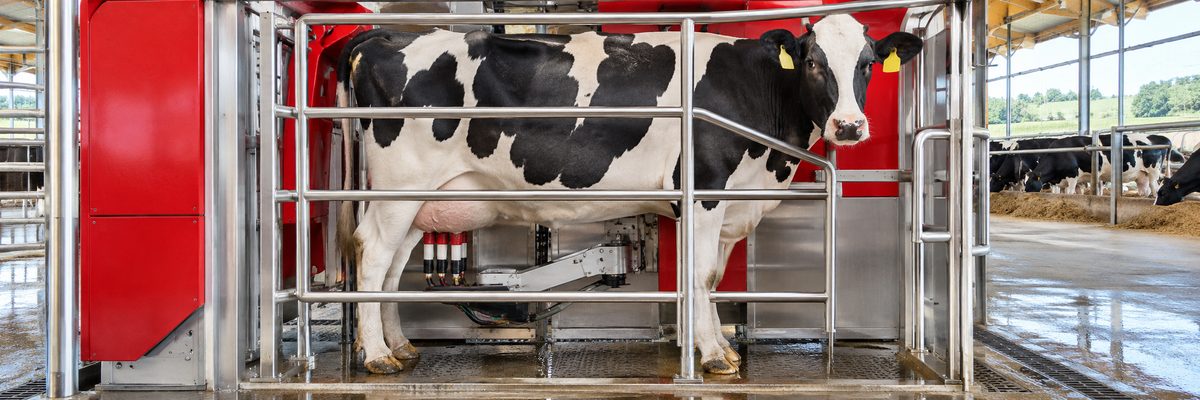
Desert dairymen have one advantage over their cousins in Georgia: the air is dry, so water evaporates fast and soakers and misters earn their keep. They also have the disadvantage of everything else. The sun is brutal, afternoon highs sit well past what a Holstein was designed for, and in the low desert the nights don't cool off enough to give cows a break.
The Southwest playbook comes down to four things: shade, airflow, water on the cow, and water in the cow. Many dairies in Arizona and New Mexico run large drylot or open-corral systems alongside, or instead of, freestall barns, so the cooling plan has to work over an outdoor corral as well as inside a roof.
Then the monsoon shows up and spoils the dry-air advantage. More on that below, because it catches people off guard every year.
Why dry heat is different
University of Minnesota Extension notes that sprinklers and misters work best in drier conditions with lower dew-point temperatures. That's a Southwest dairy's friend. When air is dry, water on a cow's hide evaporates quickly and takes heat with it. The same equipment in a humid barn can leave a cow damp and no cooler.
The catch is that desert air also dries out everything else. Hides, bedding, corral surfaces and water troughs all lose moisture fast, and cows drink a lot. Minnesota notes that a high-producing cow in 90 to 95 degree heat may drink 25 to 35 gallons a day and takes up to about half of her daily intake after milking. If you are building for a herd in extreme heat, the water system matters as much as the fans.
Climate also varies inside the region. Low-desert dairies around the Phoenix area and southwestern Arizona face the longest, hottest season. Higher-elevation parts of New Mexico, including the eastern plains, have a shorter peak but a sharp one, with big day-to-night swings. Don't copy a cooling plan from a dairy at a different elevation without adjusting for it. Your state's land-grant extension, such as the University of Arizona Cooperative Extension or New Mexico State University's College of ACES, can point you to local data and contacts.
Shade comes first
Shade is the baseline. Under open sun, a cow takes on radiant heat from above, from the ground and from nearby surfaces, and no fan can undo that completely. Minnesota's guidance suggests roughly 40 square feet of shade per animal, enough for the group to stand in shade at once without crowding. In a large drylot, that's a lot of roof, and it's the first thing to size.
- Height and openness. A tall, open structure lets air move under it. Low, closed shade builds up heat.
- Roof surface. Reflective or light-colored roofs and shade fabrics reduce heat load. The University of Wisconsin cooling paper notes white paint reduces radiant heat but fades, and insulation helps if it's protected from birds and rodents. A British Columbia guide mentions 50 percent shade cloth for extreme conditions.
- Orientation. Structures with the long axis east to west are commonly used so the shadow moves across the ground rather than staying in one spot and wearing out one patch of the corral.
- Overhangs. Extended eaves add shade at the edges, and the BC guide suggests overhangs of about 4 feet.
Shade also changes the corral. A spot under the shade stays damp and packed down, so it needs drainage and maintenance or it turns into a mud wallow that's bad for feet and udders.
Fans, soakers and misters
In dry air, soakers plus fans over the feed line are a strong combination, because the water evaporates before the cow stays wet and the fan keeps her cool. Ohio State suggests soaking about 30 seconds followed by 4 to 5 minutes of fan-only time. See sprinklers and soakers for heat-stressed cows for placement and timing, and how many fans a dairy barn needs for spacing.
Misters add evaporative cooling to the air itself, which suits dry heat. The Wisconsin paper gives an example in which evaporative cooling at 90 degrees and 60 percent humidity cut air temperature by about 8.6 degrees. In a desert afternoon with much lower humidity, the drop can be larger, though the numbers depend entirely on the equipment and the actual conditions. Two cautions:
- Hard water. Many Southwest wells and canals carry minerals that clog nozzles and leave scale on fans. Plan on filtration and regular cleaning.
- Droplet size and drift. Misters that don't evaporate fully wet bedding, stalls and udders. Minnesota recommends placing misters near inlets so droplets evaporate before they reach stalls or bedding.
Monsoon season changes the rules
Summer thunderstorms and higher humidity push dew points up in late summer, particularly in southern Arizona and parts of New Mexico. Evaporative cooling gets weaker right when temperatures are still high, and cows that were comfortable in June can struggle in August. THI, not temperature alone, is what tells you. Using temperature-humidity index in the barn covers how to use it, and humid heat cow cooling in the Southeast explains what to do when the air is already wet.
Monsoon rain also wrecks corrals. Make sure drainage, mounds and bedding areas work, or you'll be dealing with mastitis and hoof problems on top of heat.
The holding pen and the parlor
This is where the Southwest's worst heat concentrates. Packed cows, a hot floor, long waits. If you've got large herds with long milking times, a shaded, fan-cooled holding area with sprinklers is one of the best investments. Cooling the holding pen before milking has the details.
Many Southwest dairies also shift milking times and cow movements to the cooler parts of the day where possible and move the most heat-sensitive groups first. That's a management change that costs little.
Drylot vs. freestall in the desert
Open corrals work in dry climates because they give cows room, sun-dried surfaces and natural air movement. Freestall barns give better control over bedding and shade. Both work with the right cooling. West Coast dairies make similar choices, and freestalls vs open corrals on the West Coast compares the tradeoffs in a different climate.
Whichever you choose, watch the cows. Reading cow behavior to spot heat stress tells you whether your setup is doing the job. If cows are panting at the shade edge at midnight, they're telling you the heat isn't leaving.
For general cooling numbers, see University of Minnesota Extension on heat stress in dairy cattle. Check with your regional extension specialist for local design and water-use details.
Quick answers
Do misters work in Arizona dairies?
Yes, especially in dry air, where droplets evaporate quickly. Watch for hard water clogging nozzles, and keep mist away from udders and bedding.
How much shade does a dairy cow need?
One extension source suggests about 40 square feet per cow so all of them can stand in shade at once. Tall, open and reflective structures work better than low, closed ones.
Why are cows worse off during the monsoon?
Humidity rises, so water on the hide doesn't evaporate as well and the cooling effect drops. Rely on THI, strengthen airflow, and keep corrals drained.