Barns, Cow Comfort & Equipment
Cooling the Holding Pen Before Milking
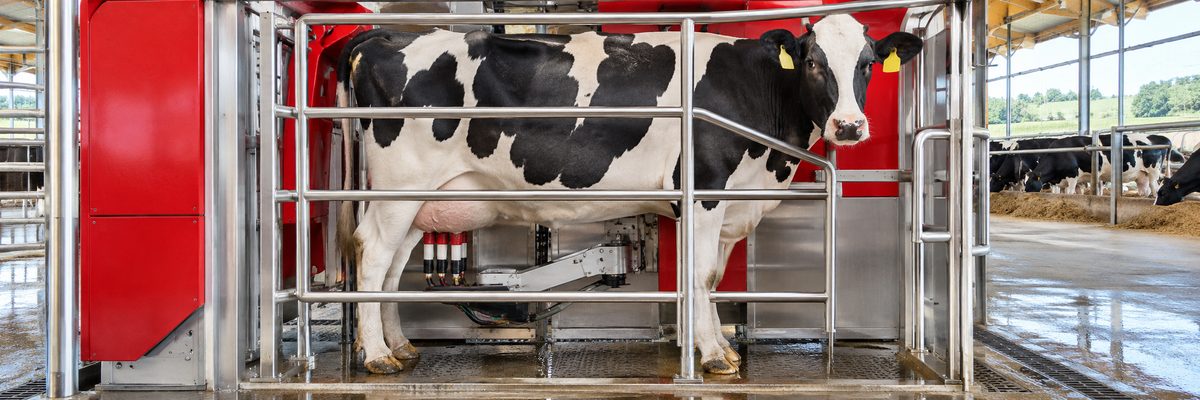
If you want to find the hottest spot on your dairy, don't look at the freestall barn. Look at the pen where sixty or a hundred cows stand shoulder to shoulder waiting for their turn in the parlor. No shade to speak of, no breeze, and a floor that holds heat like a skillet. It's where cows are packed tightest, on concrete, in the middle of the afternoon.
It's also the cheapest place to fix. A few fans, a sprinkler loop and a shorter wait can drop the heat load on every cow in the herd, twice or three times a day. University extension sources agree on the priority: when funds are short, the holding pen gets the fans first.
The reason is straightforward. In the barn, a hot cow can move to a cooler spot, drink, or lie down. In the holding pen she can't do any of that, and she's usually right after a long walk.
Why the holding pen is a heat trap
University of Minnesota Extension notes that cows may wait up to an hour in the holding area, and that crowding reduces airflow. That's a lot of time packed into a small space. Add the body heat of a full pen, a roof that traps warm air, solid walls that block wind, and a floor that soaked up sun all day, and a bad afternoon can push body temperature up quickly.
Ohio State University Extension makes the point from the other side: keep fans and soakers running during the afternoon milking, since body temperatures spike when they're turned off. If cooling shuts off at the parlor door because someone's handling the milking, you've given back most of what the barn earned.
The effects don't stay in the pen. Cows that come into the parlor already overheated stand differently, let down milk differently, and eat less afterward. It also isn't fun for the milker, who is working in the same heat the cows are.
Fans first
The University of Wisconsin biological systems engineering paper on subtropical dairy cooling lists the holding pen as the top fan priority, ahead of close-up cows, maternity and sick pens, fresh cows and high producers. Since that paper looks at hot, humid regions, the stakes are high there, but the logic holds everywhere: cooling a cow that's standing still in a crowd is worth more than cooling one lying in a freestall.
- Cover the whole pen. Cows pack toward the exit, and the back of the pen is where the heat builds. Fans placed only near the parlor leave the back rows in a dead zone.
- Tilt toward the cows. Ohio State suggests angling fans down and facing prevailing wind, with spacing of about 24 to 30 feet for 48 to 55 inch fans and about 40 to 60 feet for 72 inch fans. How many fans a dairy barn needs covers sizing and spacing in more detail.
- Keep them clean. Minnesota notes poorly maintained fans may deliver only 40 to 60 percent of their rated capacity. The holding pen has dust, manure splash and flies, so check it often.
- Mind the safety. High-mounted fans need guards and clearance. A crowd gate and a spinning blade shouldn't share the same space, and the one cow who finds the gap will find it first.
Add water, with a cycle
Fans alone help. Fans plus water do much more, as long as the water cycles on and off so it can evaporate. The same Wisconsin paper recommends full-circle sprinklers in the holding area, with about 0.025 gallons per square foot per cycle in its example, on a cycle that shortens as temperature rises. The details are in sprinklers and soakers for heat-stressed cows.
Some practical points:
- Stage the sections. Wisconsin suggests splitting the pen into zones so sprinklers only run where cows are standing. An empty half of the pen doesn't need rain.
- Control by THI. A THI-based setpoint helps avoid running sprinklers on a dry, breezy day. Using temperature-humidity index in the barn explains how to set it.
- Watch the drainage. Extra water on concrete means slippery floors and a bigger manure volume. Make sure the pen drains well and that the floor has good traction.
- Don't keep wet cows waiting. If cows stay wet and stuck in a humid, still pen, the cooling stops and you've made a sauna. Shorten the wait, or increase airflow.
In humid Southeast herds, the water helps less because evaporation is slow, so airflow and shorter wait times carry more of the load. In dry Southwest dairies, evaporative cooling is strong and misters or sprinklers can do a lot, but the water needs to be managed. Humid heat cow cooling in the Southeast and cooling cows in Arizona and New Mexico summers cover those regions.
Shade and stocking
If the holding pen sits under an open sky, a roof or shade structure helps. A roof with a reflective surface, good overhang, and open sides to let air through is better than a dark closed box. Cows packed in under a low tin roof with no side openings will bake. Where you can't roof it all, shade the side that takes the afternoon sun first.
The other lever is crowding. Pushing a few more cows into the pen to save a trip through the barn makes the heat worse. Crowd gates should hold cows together without compressing them. Minnesota recommends about 40 square feet of shade per animal in other areas of the farm, which gives you a feel for how much space a hot cow needs. Holding pens run much tighter, which is exactly why time and airflow matter so much.
Cut the wait
You can't always fix the building this summer, but you can usually cut the time. Options include:
- Bring groups to the pen in smaller batches so no one waits long.
- Milk the most heat-sensitive groups first on hot days. That means fresh cows and high producers.
- Check parlor flow. A slow-turning parlor makes every hot day longer. Parallel, herringbone or rotary: picking a parlor covers how throughput affects wait time.
- Look at how cows reach the pen. A bottleneck or dead end adds delay. Cow traffic flow: cross alleys and dead ends goes through the usual trouble spots.
- Schedule milking times to avoid the peak of afternoon heat where your labor allows it.
A few degrees saved in the pen is a few degrees you don't have to claw back in the barn. For details, see Ohio State's cool tips for managing heat stress and University of Minnesota Extension's heat stress guide.
Quick answers
How hot does a dairy holding pen get?
Much hotter than the freestall barn, because cows are packed together on concrete with little airflow. Extension sources say cows may wait up to an hour there, so it's the place to cool first.
Should sprinklers run in the holding pen all day?
No. Run them on a cycle, on a THI or temperature setpoint, and only in sections with cows. Continuous running wastes water and doesn't cool any better.
What if I can't afford a full cooling system?
Start with fans over the holding pen, keep them maintained, and shorten the wait. Those steps are usually the biggest gain per dollar.