Pre-Winter Milking Equipment Checklist
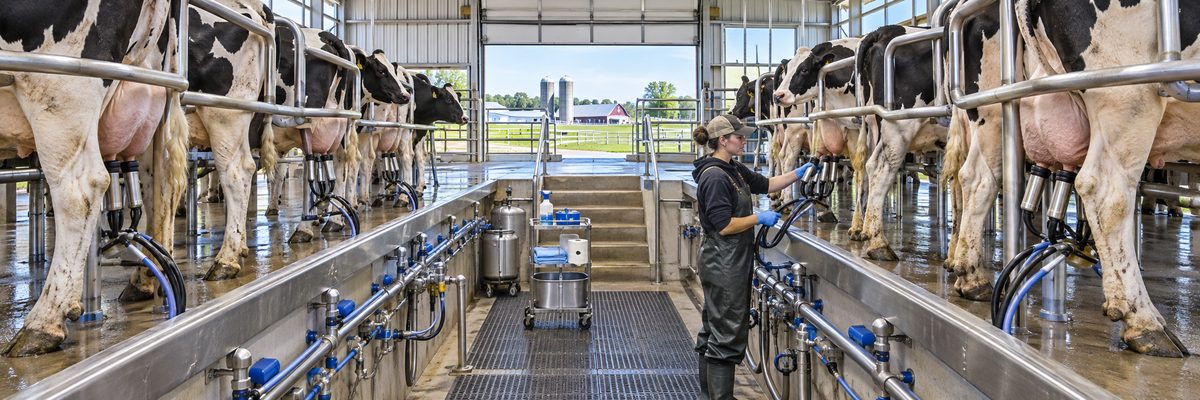
Nothing exposes a milk house like the first night that drops well below freezing. The hose you meant to drain is a solid rod of ice, the heater you forgot to test is cold, and the wash-up that should take forty minutes is going to take two hours and a hair dryer. Fall is the cheap time to find these things.
This checklist is built around the places where milking systems actually fail in the cold: water lines and wash water, heat sources, vacuum and pulsation, rubber that gets stiff, dip supplies, and the building itself. Work through it in a dry afternoon in October and you will thank yourself at four in the morning.
A note on regions: Upper Midwest and Northeast dairies need to plan for weeks of hard cold. Mountain West and Northern Plains see the biggest swings, with a warm day followed by a deep freeze. Southern dairies get fewer freezes, but those few are the ones that catch people unprepared, since nobody has a plan for the one cold week.
Start with water and wash-up
If you cannot wash, you cannot ship milk. Water problems are the ones that stop the whole operation.
- Water heater. Test it for output, not just whether it turns on. Check the element, thermostat, and relief valve, and descale if the water is hard. Cold incoming water makes the heater work harder in winter, so a heater that barely kept up in August may fall behind in January. The temperatures involved are covered in wash water temperature and chemical strength.
- Supply lines. Walk every water line and look for exposed runs, gaps in insulation, and low spots that hold water. Add insulation or heat tape rated for the job and installed to the manufacturer's directions. Heat tape installed wrong is a fire risk, so do not improvise.
- Drains and hose bibs. Drain what can be drained and know which valves to shut at night.
- Chemicals. Detergent, acid, and sanitizer are usually labeled for a storage temperature range. Check yours, and keep them where they will not freeze.
- Wash temperature. Check wash start and end temperatures with a thermometer once the weather turns. Pipeline loses heat faster in a cold barn. See the walkthrough of a pipeline wash cycle for what to watch.
Vacuum, pulsation, and air lines
Frozen air lines have a talent for failing on the one morning the dealer is out of town.
Cold air carries less moisture, but warm, wet air from the parlor condenses fast when it hits a cold pipe. Water in air lines and pulsators is a common winter failure.
- Check vacuum pump oil level and condition, and change oil and filters on the schedule your dealer gives.
- Drain low points and traps on air lines and vacuum lines, and make sure drains are open and not clogged.
- Look at pulsator action. Sticky or slow pulsators in cold weather can give uneven milking and irritated teat ends.
- If the system has not had a full check in the past year or so, schedule one. The milking system dynamic test catches vacuum drops and regulator problems before cold weather magnifies them.
- Check the vacuum level at the receiver jar and the claw with your tech's gauge, rather than trusting the dial on the wall.
Rubber and plastic
Liners and hoses stiffen in the cold, which can change how they fit and move. A liner that has run past its life in July can crack or leak in January.
- Check liner age against the manufacturer's recommended milking count or calendar interval, and replace on schedule. The details are in how often to change milking liners.
- Inspect short milk tubes, long milk tubes, and air tubes for cracks, hardening, and loose clamps.
- Inspect gaskets and seals on the receiver, filter holders, and tank lid.
- Keep spares of the parts that fail first. A weekend freeze is a bad time to learn you are out of gaskets.
Teat dip, towels, and protecting teats
Cold, wind, and wet teats are a bad mix. Dip products also behave differently below freezing, and some can freeze in the cup.
- Read the label on your pre-dip and post-dip for cold-weather use and storage. Some dairies switch to a winter formulation with more emollient or a higher freeze-protection rating, so check with your supplier.
- Keep dip in a warm spot, not a truck bed, and keep cups from freezing between cows.
- Dry teats completely before cows go outside. A wet teat in a windy alley is how frostbite gets started; winter milking and teat frostbite covers the details for the coldest regions.
- Stock towels. Winter is also a time when laundry equipment fails, so test the washer and dryer too.
The building and the people
- Heat. Test the space heaters and heat lamps in the milk house and parlor. Replace damaged cords and check that nothing flammable sits near them.
- Doors and curtains. Fix gaps, door sweeps, and curtain seals. Keep the milk house closed to wind so the bulk tank and wash sink do not become ice rinks.
- Floors and alleys. Add traction where cows and milkers walk. Slip falls are expensive for both.
- Bulk tank. Check the compressor, agitator, and outlet valve. Make sure frozen drain lines will not back water into the milk house.
- Backup power. Test the generator and the transfer switch under load. Fuel it, then write down the plan for a long outage.
- Crew. Walk new employees through where the shutoffs are and what to do when a line freezes.
Quick reference table
| Area | Check | Who helps |
|---|---|---|
| Water heater | Output, element, thermostat, scale | Plumber or dealer |
| Water lines | Insulation, drain points, heat tape | You, electrician |
| Vacuum pump | Oil, filters, regulator | Milking equipment dealer |
| Pulsators | Rate, ratio, drains | Milking equipment dealer |
| Liners and hoses | Age, cracks, fit | You |
| Teat dip | Winter label use, storage | Dip supplier |
| Generator | Load test, fuel, transfer switch | Electrician |
Some folks swear their cattle give them better forecasts than the radio. If you are into that, this farm.FM piece on using cattle to predict the weather lists lip-licking as a sign, though the cows do not seem to offer advice on heat tape. Either way, a calendar reminder and an equipment checklist beat a cow's opinion.
For regional winter guidance, the University of Minnesota Extension dairy pages and UW-Madison dairy extension carry cold-weather milking and housing material. Feeding also changes in the cold, which cold weather feeding for Upper Midwest dairies covers.
Quick answers
When should I do my pre-winter equipment check?
Early enough that you can still get parts and a service visit, usually a few weeks before your first hard freeze. Dealers get busy once cold hits, so booking in early fall helps.
Can I use heat tape on milking system lines?
Heat tape is common on water supply lines, but it must be rated for the pipe and location and installed to the maker's directions. Ask your electrician or dealer about food-contact surfaces and anything in the milk path before adding it.
What fails first in the cold?
Water lines, wash water heat, air line condensation, and dip in the cups are the usual early failures. Backup power is the one that hurts most when it is missing.