Winter Milking in the Upper Midwest: Protecting Teats
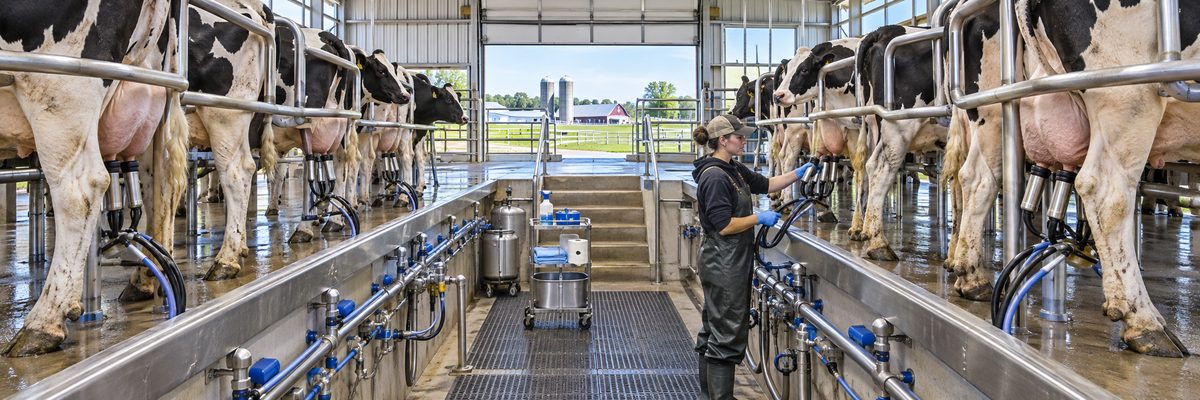
At 20 below with the wind coming across the lot, a wet teat doesn't take long to become a frozen one. Frostbite on teat ends causes pain, cracking, slow milking and a higher chance of mastitis, and it's almost entirely preventable with the right dip, a bit of patience at the exit and a barn that isn't a wind tunnel.
In Upper Midwest herds, winter milking comes down to three jobs: keep the teats dry and protected when cows leave the parlor, keep water and milk from freezing in places they shouldn't, and keep the humans warm enough to do the work properly. If any of the three slips, the cows pay for it first.
Why teats freeze
Teat skin is thin, the end has little insulation, and right after milking the streak canal is still open. Wet skin loses heat quickly, and wind makes it worse. Cows that walk from a warm parlor straight into a cold alley with dip still dripping off their teats can get frostbite in minutes when the cold is severe. Repeated mild damage leads to dry, cracked skin and rough teat ends even if no teat is visibly frozen.
Herds in the Upper Midwest, Northern Plains and parts of the Northeast are the most exposed, though cold snaps hit farther south too. Barns with open sides, drafty holding pens and long walks between the parlor and the freestall barn increase the risk.
Dip and dry strategy
Choose a winter-appropriate post-dip
Many dip manufacturers offer products with higher emollient levels or other features designed for cold weather. Choosing a post-dip is a bigger topic, and how to choose a teat dip for your herd covers the basics. Check the label and ask your dip supplier what they recommend for the temperatures you actually get. Don't water down or mix products to get through a cold spell, since that can compromise how well the dip works.
Let the dip dry, or blot it
- Time the exit. Cows should leave the parlor to a sheltered area where the dip has time to dry, rather than going straight into a wind.
- Blot teats with a clean single-use towel after dipping if the weather is severe, a step some herds add only on the worst days. Follow your dairy advisor's guidance on whether this fits your system.
- Keep cows standing for a while after milking, with fresh feed at the bunk, so teat canals have time to close. That helps with mastitis too.
- Don't over-dip. Excess dip that doesn't dry is a freezing problem. Cover the teat, not the whole udder and a puddle on the floor.
Keep dip from freezing
Dip cups, bottles and spray lines can freeze or thicken in the cold. Store reserve dip in a heated room and bring it out in smaller quantities. If a dip product thickens or separates, check with the manufacturer, since a dip that has frozen may not work as intended.
Barn and cow flow
- Block the wind at the parlor exit. Curtains, doors or wind panels work wonders. A gate that never quite closes is a draft that never quite stops.
- Warm up the holding area as much as you can without trapping moisture. Good ventilation still matters, and keeping barns open and dry in winter explains why a sealed, steamy barn creates its own problems.
- Keep alleys and floors from icing. Slips lead to injuries, and cows that fear a slippery floor hold milk and rush the corners.
- Manage bedding. Dry, clean stalls reduce wet teats. Cold-weather freestall management in the Upper Midwest goes deeper on stalls and airflow.
- Cow groups. Fresh cows and heifers with swollen udders can be more vulnerable, so give them special attention when cold hits.
Frozen lines and milking equipment
A frozen water line or a milk line full of slush can take a whole milking down. A pre-winter milking equipment checklist is worth running in the fall, before the first deep freeze. In the meantime:
- Insulate and heat-trace exposed pipes and keep water lines protected, following manufacturer and electrical code guidance.
- Check wash water temperature. Cold air steals heat quickly, so confirm that wash water stays at the required temperature through the full cycle.
- Drain what needs draining when the system isn't in use, and keep air inlets and vents clear.
- Watch the bulk tank and compressor. A milk house that's too cold can cause trouble too, and ice on the tank walls can mean a control problem.
- Keep spare parts on hand for the things that crack in the cold, such as hoses and gaskets.
Spotting trouble early
Check teats every day in severe cold. Early signs include reddened or dark teat ends, swelling, a cow that flinches at attachment and teat skin that looks dry or scabbed. Chronic damage may show up on teat end scores, so teat end scoring is a useful check on how the herd is holding up. If you see open sores, blackened tissue or a swollen, painful teat, call your veterinarian. Don't try to treat serious frostbite on your own, and don't put injured teats back on the machine without a plan.
For extra reading, the UW-Madison Extension milk quality page and the National Mastitis Council have guidance on teat dips, teat condition and udder health, and your dairy consultant can help you tune the details for your herd.
A simple winter routine
- Fall: check equipment, heat tape, curtains and doors.
- Before the first deep freeze: switch to the dip your supplier recommends for cold weather, and train everyone on the exit routine.
- Daily: look at teats on a sample of cows, especially fresh animals and heifers.
- Cold snaps: slow the cow flow, shorten the time cows spend outside and protect doors.
- Spring: review teat scores, cell counts and mastitis cases to see how the season went.
Nobody enjoys the cold, but the cow's udder has no choice in the matter. If you're comfortable standing in the exit alley, the cows probably are too.
Quick answers
What temperature is dangerous for teats?
There's no single number, since wind, wetness and exposure time all matter. Severe cold and wind, wet teats and long exposure are the main risk factors, so protect teats whenever it's below freezing and extra carefully in a deep freeze.
Should I stop dipping when it gets too cold?
No. Skipping post-dip raises the risk of mastitis. Use a dip suited to cold weather, let it dry or blot it, and give cows shelter on the way out. Ask your dip supplier or herd advisor for specifics.
How do I keep milk lines and water from freezing?
Insulate and protect exposed lines, keep the milk house heated, and drain or heat-trace pipes that can freeze. Follow your equipment manufacturer's directions and have a qualified electrician handle heat tape and wiring.