Cold Weather Feeding for Upper Midwest Dairies
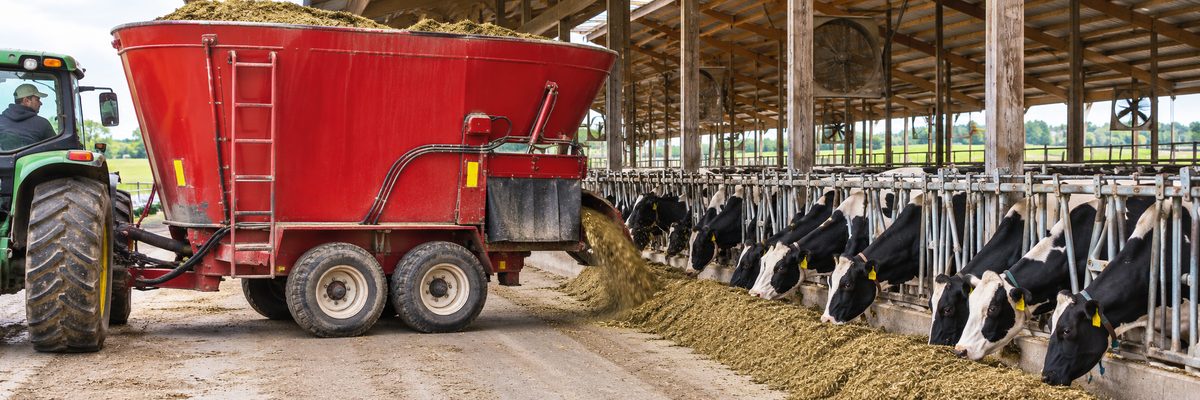
A cow in a freestall barn is a pretty good furnace. A lactating Holstein makes so much body heat that she's often more comfortable at temperatures that would have you looking for a second coat. That's why cold weather feeding isn't about wrapping the herd in blankets. It's about wind, wet and frozen water, and about the animals that don't make as much heat: calves, thin cows and dry cows outside.
When it gets truly cold, the cow spends extra energy staying warm, and that energy has to come from feed or body fat. The fixes are practical ones: more energy where it's needed, water that stays open and drinkable, feed that isn't a block of ice, and a barn that blocks the worst of the wind without shutting out fresh air.
What cold actually does
Cows tolerate cold better than heat. A healthy, dry, well-fed lactating cow can handle quite low temperatures before her energy needs rise noticeably, and dry matter intake often climbs in cold weather on its own. The problems start when conditions get worse than the thermometer suggests:
- Wind. Moving air strips heat, and a draft across the lying area does more harm than a calm, cold day.
- Wet coats. Rain, wet bedding, snow melting on a cow or a damp barn all dramatically cut the insulation of a hair coat.
- Mud and ice. They raise energy cost and injury risk. Cows slip, stand around and eat less.
- Low body condition. A thin cow has less insulation and less reserve.
- Young stock. Calves lose heat much faster than adults. See keeping newborn calves warm in winter.
There isn't one temperature where everything changes. Think in terms of a cow's comfort and how much energy she's burning to stay warm, and respond to what you see: cows huddled, shivering, hunched with tails clamped, or eating less than usual.
Raise energy where it counts
If cows are losing condition or milk is slipping in a cold snap, extra energy is the usual answer, and your nutritionist can adjust the ration to supply it. Typical options include more digestible fiber, more starch or fat within safe limits, and better forage. Be careful not to push so much grain that acidosis becomes the new problem. A ration that's fine at 40 degrees and a fresh cow ration that's fine at 40 degrees can need different tuning at minus 10.
Watch the cows rather than the weather report:
- Body condition scores trending down over several weeks mean the ration isn't covering the cold.
- Milk and components shifting without an obvious cause.
- Manure changes. See using manure scoring to check the ration.
- Cows eating less from a cold, frozen or stale bunk.
Dry cows, especially those in outdoor lots or on pack barns, and bred heifers on pasture or drylot may need more feed than you'd expect, particularly when it's windy and wet. Make sure they have windbreaks and dry bedding, too.
Water that stays open
This is where winter really bites. Cows cut intake of feed and milk quickly when water is frozen, too cold or hard to reach. Plan on:
- Heated or well-insulated waterers, with lines buried or insulated and drained where they can't be protected
- Daily checks on every waterer, since a failed heater at midnight is a morning surprise
- Clean troughs. Frozen feed and manure in the water make things worse
- Backup supply: a tank heater, a hose bib you can thaw, and spare parts
- Fresh water for calves, who still need it. See why newborn calves need water from day one
For layout and equipment, setting up waterers for a dairy barn covers the choices, including freeze protection. There's no such thing as a barn with too much hot water in January.
Frozen feed and winter bunk management
Frozen silage and haylage are a headache, and eating frozen feed costs the cow energy and can cut intake. A few habits help:
- Keep a clean, even face. A well-managed bunker face freezes less. A ragged face with loose silage gives more surface area to freeze.
- Cut frozen silage out carefully and let it thaw before mixing, rather than throwing blocks into the mixer. Frozen chunks damage equipment and mix poorly.
- Don't feed rotten silage to make up for the pile. Heated or moldy feed in the cold is still heated or moldy feed.
- Clean refusals. Wet, frozen leftovers in a bunk aren't food.
- Push up often. Cows eat more when feed is within reach, and that's true at twenty below as well as at ninety above.
The one exception to the "keep the face clean" rule is the thing nobody wants to hear: sometimes the silage face is just frozen solid, and the best plan is a good chisel and a bad attitude.
Barn and housing details
Keep air moving without drafts on the cows. Closed-up barns trap moisture, which leads to wet coats, wet bedding and respiratory trouble. Open ridges, curtains adjusted for conditions and good bedding matter more than extra heat. Cold-weather freestall management in the Upper Midwest goes through the details. Check that cows have dry, clean places to lie down, because a cow lying on a cold wet surface loses heat fast.
Planning the winter budget
Cold weather raises costs: more feed, more bedding, more fuel and maintenance. Plan for it rather than being surprised by it, with the help of Upper Midwest dairy winter budget planning. And don't skip the herd health side: a winter herd health checklist for the Upper Midwest covers frostbite, pneumonia and fresh cow concerns.
For more regional guidance, University of Minnesota Extension dairy and the UW-Madison dairy extension site both publish winter management information for the region.
Quick answers
Do dairy cows need more feed in cold weather?
Often yes, especially in wind, wet or very low temperatures, and especially for dry cows, thin cows and young stock. Watch body condition, milk and intake, and let your nutritionist adjust the ration.
How do I keep cow water from freezing?
Use heated or insulated waterers, protect lines, check them daily and keep spares and a backup plan. Frozen water cuts intake and milk quickly.
Is frozen silage safe to feed?
Frozen silage that was well made isn't spoiled just because it's frozen, but it can cut intake and cause handling problems. Let it thaw before mixing when possible, and never feed heated or moldy silage.