Milking System Test: When to Do It and What to Expect
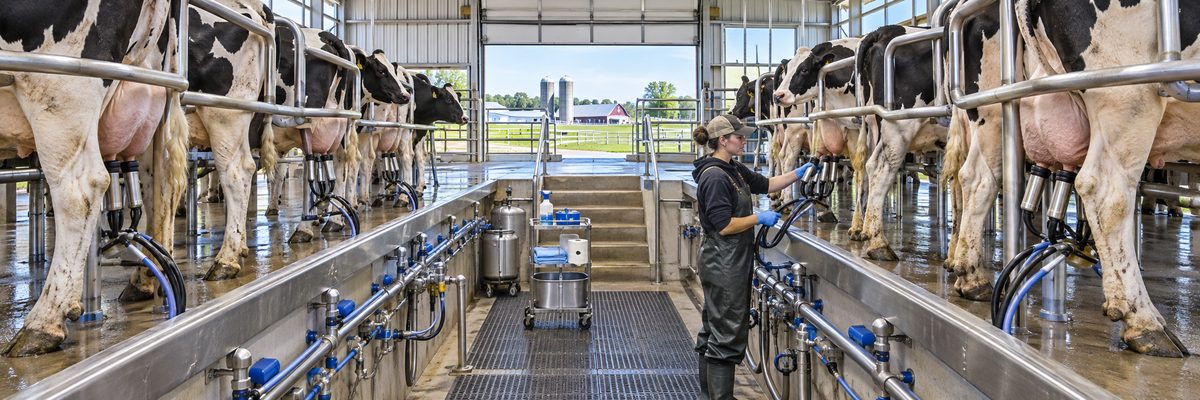
A milking machine is the only piece of equipment on the farm that gets used hard twice a day, three hundred sixty-some days a year, and is then expected to work perfectly because it sounded fine this morning. The pump hums, the pulsators click, and nobody knows whether the vacuum is holding up until the cell count tells them.
A milking system test is how you find out sooner. A qualified technician connects gauges and instruments to your system and measures what it actually does: pump capacity, vacuum level and stability, pulsator timing, leaks, and more. Most guidance, including from the milk quality community, recommends having it done at least twice a year, and again after major repairs, equipment changes or unexplained changes in udder health. Check what your milk handler, state dairy agency and equipment dealer expect, because requirements can differ.
Think of it as taking the truck in for an alignment before the tires wear through. It costs a service call and an afternoon, and it can save months of slow damage you could not see.
Static versus dynamic testing
You will hear two terms, so it helps to know the difference.
- Static (or conventional) testing checks the system when it is not milking cows, or without the normal load of milk and units going on and off. It measures things like pump capacity, regulator performance and leaks.
- Dynamic testing measures what happens during actual or simulated milking: vacuum at the claw, vacuum drops when units attach, pulsation patterns, and how the system recovers when load changes.
A static test can tell you the pump is healthy. A dynamic test tells you what the cow feels when twenty units are attached at once and the washer valve opens. Many technicians do both in the same visit, and when people say "milking system test" they typically mean the whole package. Ask what your tech includes, and what standard they follow.
What the technician checks
Every tech has their own routine, but a thorough visit usually covers:
- Vacuum pump capacity and reserve. Whether the pump can supply enough air flow for all units, washing and pulsation, with margin to spare.
- Regulator performance. How quickly and accurately the regulator holds the set vacuum.
- Vacuum level and stability. At the receiver, in the milk line and at the claw. The target numbers are covered in what vacuum level your milking machine should run.
- Pulsation. Rate, ratio, and phases, for each pulsator, including whether they are consistent from unit to unit. See pulsation rate and ratio explained for what those words mean.
- Air leaks. Loose fittings, worn gaskets, cracked hoses and failing claw air vents.
- Milking units and liners. Condition, fit, shell size, and whether the age of the liners is a problem.
- Milk line and receiver. Slope, drainage, size and cleanliness where it matters for flow.
- Automatic take-offs, if you have them. Whether the settings work with your cows and equipment.
- Wash system performance. Some techs check air injection, wash flow and drainage, though the cleaning chemistry itself is another topic.
Some testers also look at the physical layout: whether hoses hang correctly, whether stalls and units line up, whether the milkers have the room to work. A good one will ask how the cows are milking, how long it takes, and whether anything has changed lately. The test is about more than numbers, so tell the tech what you see.
How to prepare for the visit
- Book it before you need it. A tech who can come on a Tuesday afternoon is a better deal than one who can come in three weeks when the SCC is already climbing.
- Gather your history. Previous test reports, repair records, and dates of liner changes, pulsator rebuilds and pump service.
- List the symptoms. Units falling off, cows kicking, slow milkers, teat end changes, jumps in SCC or bacteria counts. Dates help.
- Make the equipment available. The tech will need access to the pump room, regulator, pulsators, units, and the milking area at a time that does not disrupt milking, or at milking if a dynamic test is planned.
- Plan for a milking. Some dynamic tests are done with cows in, so the herd schedule matters.
- Ask about format. Find out what the report will look like and what standard is being used so you can compare it to the previous one.
Also, someone who actually knows the barn should be there. The best test report in the world is not much use if no one can answer "does that unit always sound like that?"
Reading the report
A system test report is a list of measurements, with notes on which ones fall in the acceptable range and which do not. Look for:
- Items marked as out of range. Ask what each one means for the cow and how urgent the repair is.
- Trends compared to the last test. A pump that has slowly lost capacity over three visits is telling you something a single report would not.
- Recommendations. Some are repair items and some are upgrade suggestions. The tech should be willing to tell you which is which.
- What was not tested. If something was skipped, find out why and whether it should be done.
After the repairs, ask for a recheck of the items that were out of range. And give the herd a few weeks of observation, using teat end scoring and your cell count records, to see whether the changes helped.
Cost, regional notes and common sense
Testing costs vary by region, travel distance and the size of the system, so ask your dealer for a quote rather than expecting a standard figure. In areas with many dairies, such as parts of the Upper Midwest, the Northeast and California's Central Valley, dealers and independent testers are easy to find. In sparser dairy regions, such as parts of the Southeast and Mountain West, the nearest qualified tester may be a long drive, so scheduling ahead matters. Small family dairies with bucket or portable systems should ask whether a pail-system test is available and what it covers.
A test is a good time to double-check small items that get overlooked: liner age, hoses that have been patched with tape, and a regulator last cleaned during the previous administration. For more on what a thorough machine evaluation includes, the National Mastitis Council protocols and guidelines and the Michigan State University milk quality program are helpful references.
Quick answers
How often should a milking machine be tested?
The common recommendation is at least twice a year, plus after major repairs or equipment changes and whenever you see unexplained problems with cows or milk quality. Confirm the schedule that applies to you with your handler, state dairy agency and dealer.
Can I test the system myself?
You can do basic checks, such as looking for leaks, watching units and listening for odd pulsators. A real test needs calibrated instruments and training, so use a qualified technician for the actual measurements.
What if the test passes but cows still have problems?
Machine performance is only one piece of the puzzle. Look at teat prep, liners, bedding, cow comfort, dry cow management and mastitis pathogens, and bring in your vet and milk quality adviser.