Is Three-Times-a-Day Milking Worth It?
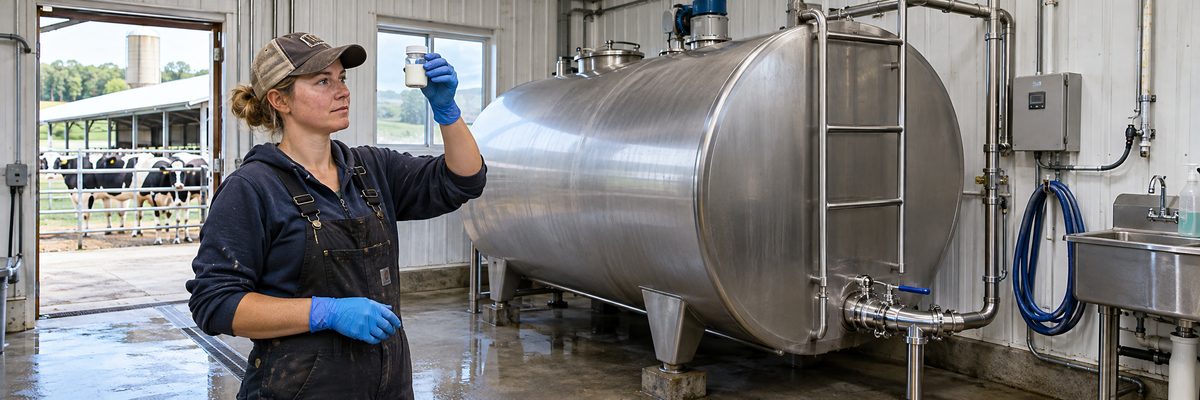
Anybody who has milked twice a day for years has had the same thought at least once: what if we just did it again at noon? More milking, more milk, more milk check. The math looks great until the same person doing the math is also the person standing in the pit at the extra milking.
Three-times-a-day (3X) milking often increases milk yield compared with twice a day, commonly reported somewhere in the range of 10 to 15 percent, though results vary a lot by herd. It also costs more labor, more parlor time, more utilities and more hours of cow time away from the bunk and stalls. Whether it pays depends on your milk price, your crew, your barn layout and how your cows handle the extra time standing.
Why 3X can raise milk
More frequent milk removal stimulates the udder to make more milk, and it relieves pressure inside the udder that otherwise signals the cow to slow down. Many herds see the biggest gain in early lactation, and some dairies use 3X only for the first stretch of lactation or only for high-producing groups, then drop to twice a day. First-lactation cows often respond especially well, though the response varies.
Milk components such as fat and protein percent may drop slightly while total yield rises, so what matters for your check is the final result under your milk contract. Look at how your handler pays, such as by components, volume or premiums, before you assume that more pounds equal more money. The USDA AMS Federal Milk Marketing Orders page explains how federal orders price milk, and your handler can explain the details that apply to you.
What it costs
The extra milk doesn't arrive free. Add up these items before you decide:
- Labor. An extra milking means more paid hours, a third shift or longer shifts. Finding and keeping people for odd hours is hard, and keeping good dairy employees gets harder when the schedule gets worse.
- Parlor and equipment wear. More run time means more liner changes, more wash cycles, more water, more electricity and more repairs.
- Cow time budget. Cows need time to eat, drink and lie down, and they typically want roughly half the day lying down. Each trip to the parlor takes time away from that, especially in big herds with long holding times.
- Feed. Cows producing more milk need more feed and a ration that supports it. The ration and the bunk space have to keep up.
- Fresh-cow and health management. More milk can mean more metabolic demand. Work with your nutritionist and vet.
A rough way to run the numbers
Estimate the extra milk per cow per day, multiply by your net milk price, and subtract extra feed. Then subtract the cost of the added labor, utilities, supplies and repairs, spread across the cows. If what's left is thin, a small change in milk price can flip it, and it's worth running both a good-price and a bad-price scenario. Knowing your break-even milk price first makes the cost side of that sum a lot less of a guess.
Cow health and comfort
Cows that spend more time standing in holding areas and on concrete have less time lying down, and standing time has been linked with foot and leg problems. Learn more about what causes lameness in dairy cows if hoof health is already a weak spot in your herd. Teat ends also take more wear with more milkings, so keep an eye on liner condition and unit timing; see teat end scoring for a quick check.
On the flip side, more frequent milking may reduce udder pressure and help some cows in early lactation. Whether the net effect is good or bad depends on your barn. A comfortable freestall barn with plenty of stalls and a short wait to be milked is a different animal from a crowded, hot barn with long holding times.
If you want a reminder that dairy cows are particular about their routine, this farm.FM piece on dairy cows as the prima donnas of the farm world is a funny read. Anyone who has tried adding a third milking has found out firsthand that the diva comparison has some basis in fact.
Who it fits, and who it doesn't
| Situation | 3X tends to fit | 3X tends to be a poor fit |
|---|---|---|
| Labor | Reliable crew, enough people for an extra shift | Short on help, high turnover, owner already doing every milking |
| Facility | Parlor with capacity, short holding times, good cow flow | Overcrowded parlor, long waits, tight stall space |
| Herd | Strong cow comfort, good feet, high-producing fresh or first-lactation cows | Lameness issues, heat stress, thin cows, weak transition management |
| Milk price and contract | Margins that reward extra pounds | Tight margins, penalties or caps on volume |
| Management | Records, a nutritionist and vet who can support it | No clear plan for tracking results |
Ways to test it without betting the farm
- Try one group. Start with fresh cows or first-lactation animals, and compare with a similar group milked twice.
- Set a trial period long enough to show real results, and track milk, components, cow health, labor hours and costs.
- Watch the cows. Look at lying time, hoof health, body condition, teat ends and cell counts.
- Check the labor. If the extra milking depends on one exhausted person, it's not sustainable.
- Be ready to stop. Dropping back to twice a day should be an acceptable result, not a failure.
Dairy extension programs at land-grant universities, such as Cornell PRO-DAIRY, publish research and tools on herd management and economics, and your nutritionist or lender can help run your own numbers.
Regional notes
Large-herd dairies in the Southwest and Mountain West often run 3X as standard because they have multi-shift crews and big rotary parlors. Smaller Upper Midwest and Northeast herds, especially tiestall barns, often don't have the labor or the parlor for it, and the third milking can mean one more cold trip across the yard. In hot climates, cows may handle extra standing time poorly without good cooling in the holding area.
Quick answers
How much more milk does 3X milking give?
Studies and farm reports commonly cite roughly 10 to 15 percent more milk, but your result depends on the herd, stage of lactation and management. Run a trial before changing the whole barn.
Is 3X milking hard on cows?
It can be if cows lose lying time or if feet and teat ends are already stressed. Good cow comfort, short holding times and close monitoring help protect them.
Can I do 3X milking with a small herd or tiestall barn?
It's possible, but the labor is often the limiting factor. Compare the extra milk to the added hours and wear, and consider using it only for fresh or high-producing cows.