Grazing, Organic & Small Dairies
Keeping a Family Milk Cow: A Beginner's Guide
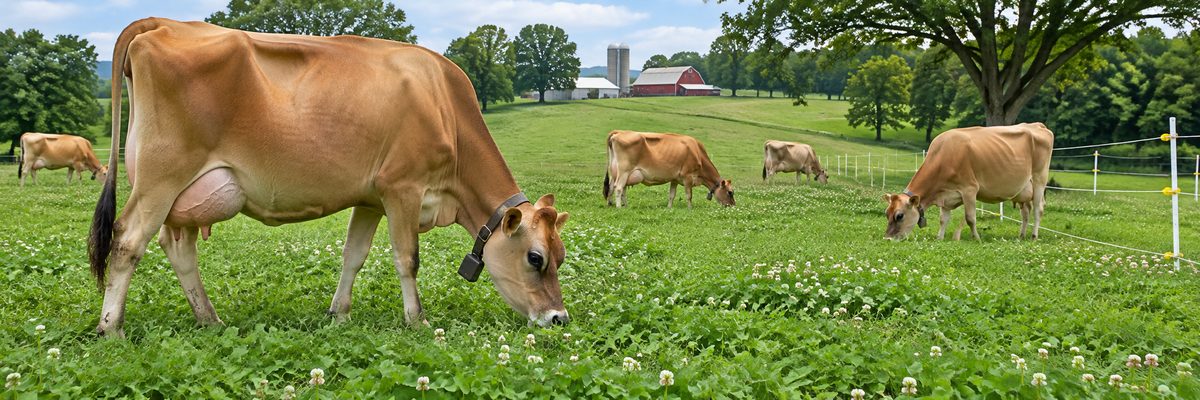
A family milk cow is a wonderful animal and a long-term commitment. She'll give you milk, cream, butter and a calf each year, and in return she wants milking twice a day (or at least on a firm schedule), good feed, clean water, a vet who answers the phone and a person who shows up whether it's Christmas morning or a hundred degrees.
Most people who get a cow underestimate two things: the time and the amount of milk. A single cow can give more than a family will drink, and the milking doesn't wait for your plans. If you go in knowing both, a house cow is one of the better things you can do with a few acres. If you go in expecting a pet that dispenses free milk, you'll be selling her by spring.
What a cow needs
Land and space
How much pasture a cow needs depends heavily on region and rainfall. In lush, wet country a couple of acres of well-managed pasture can go a long way, while in the arid West or in drought she may need irrigation or most of her feed bought in. Plan on purchased hay for winter in most places. You'll also need a dry, shaded place to stand, a milking spot, a safe place to calve and fencing that can actually hold her. Cows are patient until they decide they aren't, and then a woven wire fence is a suggestion.
Company
Cattle are herd animals. A lone cow tends to be stressed, noisy and a better escape artist. Many families keep a second animal, such as a calf, a steer or a companion goat or sheep. Check your local rules and your fencing before you decide.
Feed and water
Good pasture and hay carry a family cow a long way, but a cow in milk needs more than a cow just standing around. Many owners add some grain or a ration balanced for lactation, plus a free-choice mineral designed for dairy cattle. Your extension office or a nutritionist can help you balance this for your forage. See dairy mineral program basics and how to store hay and cut barn losses.
Time: the part people underestimate
Milking is a daily job, usually twice a day about twelve hours apart. Add feeding, cleaning, washing equipment, handling milk and checking the cow. Most people find that it takes a good chunk of the morning and evening, especially at first. You can ease the load with once-a-day milking in some situations, or by letting a calf take part of the milk, but you can't skip it whenever you like.
You'll also need a backup milker: someone who can handle the cow when you're sick or away. A cow can't be turned off for the weekend. If you can't name two people you'd trust with her, solve that before the cow arrives.
Breeding and the calving cycle
A cow gives milk because she had a calf. To keep milking you'll need to breed her again, typically within a few months after calving, and let her dry off for a rest before the next calving. That means arranging for AI or a bull, planning for a calf each year and deciding what happens to the calves. Some families raise them, share the cow's milk with them, or sell them. Should you keep a bull is worth reading before anyone says yes to a bull, because keeping one on a small place is rarely the right call. Dry period length and signs a cow is about to calve will give you an idea of what's coming.
Costs to plan for
- The cow herself. A well-handled, healthy cow from a good source often costs more than a bargain one, and is often worth it.
- Hay and grain, with winter feed as the bigger share.
- Fencing, water, shelter and a stanchion or milking stand.
- Milking and dairy equipment, from a stainless pail to a small milker.
- Routine vet care, hoof care, vaccinations and an emergency fund. A calving gone wrong at midnight can be costly.
- Breeding costs, whether AI or a bull's services.
- Your time, which has real value even if you never write it down.
People often compare this to the price of milk at the store and are surprised. A house cow rarely saves money. You do it for the quality, the control over how the milk is handled and the way the whole thing fits your family.
Milk handling and the law
Milk needs to be cooled quickly and handled cleanly. Cooling and storing milk from a family cow covers it. Whether you may sell, share or give away raw milk depends on where you live. Rules vary by state, and some states forbid sales of raw milk entirely, while others allow limited sales or herdshare arrangements. Check how raw milk laws differ by state and your state agriculture department. Raw milk carries real health risks, especially for children, pregnant women and anyone with a weak immune system, and the FDA and public health agencies recommend pasteurization. If you plan to drink your own milk raw, talk to your doctor and your vet and read about raw milk risks and practices first. If you'd rather pasteurize, pasteurizing milk at home is a place to begin.
Health: keep a vet in your phone
Find a vet who treats cattle before you buy the cow. Mastitis, milk fever, retained placenta, hoof trouble and bloat all happen on small farms too. This site covers general education only, and any treatment, drug or withdrawal time is a decision for your vet. If a cow is treated with medication, her milk has to be held out for the withdrawal period the vet gives you. Finding a large animal vet has tips on starting that relationship.
Mistakes first-timers make
- Buying a cow before fences, water and winter feed are sorted.
- Choosing the sweetest-looking cow rather than one with a sound udder and good milking history.
- Skipping a backup plan for milking.
- Forgetting that the milk keeps coming, with nowhere for it to go. A cow doesn't read the family's schedule.
- Not asking an experienced neighbor to look at the cow before the deal closes.
Cornell and other universities publish small-farm dairy resources. The Cornell Small Farms Program is a good place to start for beginners.
Quick answers
How much land does a family milk cow need?
It depends on your climate and forage. In good grass country a couple of acres of well-managed pasture plus hay can do it, while dry regions need irrigation or more purchased feed.
Can I milk a cow only once a day?
Sometimes, depending on the cow, the stage of lactation and whether a calf shares the milk. Expect less total milk, and watch the udder closely.
Is it cheaper than buying milk?
Rarely. Feed, fencing, vet care and your time usually cost more than the store price, so most families keep a cow for the quality and the lifestyle.