Dairy Mineral Program Basics
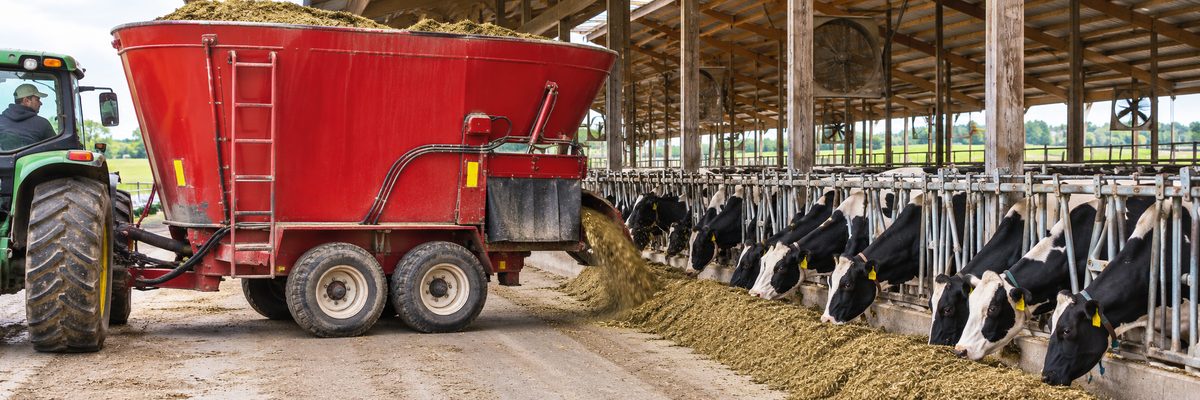
Minerals are the part of the ration nobody gets excited about, right up until a cow goes down with milk fever or a heifer pen starts breaking with retained placentas. A mineral program is boring insurance. The premium is small, and the claim is expensive, and the claims adjuster is a cow lying flat in the fresh pen.
The basics are less mysterious than the tag on the bag makes them look. Cows need a handful of macrominerals in fairly large amounts, and a longer list of trace minerals in tiny amounts. Most feeds do not supply enough of either for a high-producing cow, so some mineral supplement goes in nearly every dairy ration.
This guide covers what each group does, where diets usually run short, and how to check that what you are paying for is what the cows are getting.
Macrominerals and Trace Minerals
Penn State Extension divides dairy minerals into two groups. Macrominerals are calcium, phosphorus, magnesium, sodium, potassium, chlorine and sulfur, and they show up in a ration as a percentage of dry matter. Trace minerals, or microminerals, include iodine, iron, copper, cobalt, manganese, molybdenum, zinc and selenium, and they are measured in parts per million.
The same Penn State article notes that amounts found in most feeds are normally inadequate for high milk production or growth, and that pastures are no exception. Even grain-supplemented pasture diets usually need concentrated mineral sources.
The Big Four to Watch
Calcium
Calcium builds bone and drives milk production, and it runs the muscles, including the ones that let a fresh cow stand up. Corn silage is low in calcium, while alfalfa is high. Penn State points out that grass pastures are well below the calcium needs of a high-producing cow and need added calcium, while alfalfa hay is the one common feed that is rich in it. Dry cow calcium and the cation-anion balance of the ration affect milk fever risk, which is covered in what DCAD is and why dry cows need it.
Phosphorus
Phosphorus supports bone, energy metabolism and fertility. Penn State says phosphorus supplementation is needed with nearly all feeding programs, since pasture and most grains run low compared with the roughly 0.4 percent of ration dry matter recommended for milking cows. Protein feeds such as soybean meal and distillers grains carry more phosphorus. Over-feeding it is a waste of money and adds to the phosphorus load in manure, which matters under many state nutrient management rules.
Magnesium
Magnesium keeps nerves and muscles working, and it helps cows absorb calcium. Penn State notes the recommendation is about 0.22 percent of ration dry matter, but on lush spring pasture, where grass tetany is a risk, 0.30 to 0.35 percent or higher is often needed. Magnesium oxide is the usual supplement source. Cows often will not eat the full grain allowance on lush spring grass, so grazing herds sometimes need other ways to get magnesium in, which is something to work out with your nutritionist and vet.
Sodium, potassium, chlorine and sulfur
Salt covers sodium and chloride. Potassium is usually plentiful in forage, and heavy potassium can interfere with magnesium. Sulfur matters to rumen microbes that build amino acids. Water can be a hidden source of sulfur, so a water test for nitrates and sulfur belongs in the mineral conversation.
Trace Minerals and Immunity
Trace minerals are small in amount but big in effect. Kentucky extension notes that research suggests slight deficiencies of some trace minerals may hurt a cow's immune function, her ability to fight infections such as mastitis, and her response to vaccines. That decline can show up before milk drops or before obvious signs such as a change in hair coat color or skin lesions.
The ones most herds discuss are zinc, copper, manganese, cobalt, iodine and selenium. A few notes:
- Selenium: Soil selenium varies widely by region, and some areas, including parts of the Northeast, Great Lakes states and Pacific Northwest, are known for low-selenium forage. Regulations also limit how much selenium can be added to feed, so follow your nutritionist's formulation.
- Copper: Copper needs depend on interactions with molybdenum, sulfur and iron, so a copper decision should rest on a forage and water analysis, not a guess. Jersey herds are generally more sensitive to excess copper than Holsteins, another reason to work with a professional.
- Zinc and manganese: Common in dairy premixes, and tied to hoof, skin and reproduction.
- Cobalt and iodine: Small amounts that matter for rumen function and thyroid health.
The trace mineral statements above on regional selenium and Jersey copper sensitivity come from general dairy nutrition knowledge, so confirm both with your own nutritionist before acting.
Where the Mineral Comes From
A herd's minerals come from forage, grain, byproducts, water and the mineral premix. You cannot manage the premix without knowing the rest.
- Test forages for minerals. A standard lab test can include calcium, phosphorus, magnesium, potassium and trace minerals. Sampling properly comes first.
- Know the byproducts. Some, like wheat midds, are high in phosphorus, and others change with each load.
- Test the water. Sulfur, iron and sodium can all be high enough to matter.
- Set the premix to fill the gap. Your nutritionist uses the ration balance to decide what the premix needs to supply.
Reading a Mineral Tag
Kentucky extension explains that feed tags for dairy minerals must list calcium, phosphorus, salt, magnesium, potassium, selenium and vitamin A. They are not required to list the other trace minerals or vitamins. So the first step is to look through the ingredient list for sources of zinc, copper, manganese, cobalt, iodine and the vitamins you expect.
The same source warns that many trace-mineralized salts do not supply enough trace minerals for heifers, dry cows or milking cows. They often lack selenium or vitamins A, D and E, or contain too little. So a trace mineral premix, added at the right rate to the grain mix or TMR, is not the same product as a trace-mineralized salt block.
Common Gaps and Mistakes
- Assuming a trace-mineral block covers everything.
- Feeding the same mineral to dry cows, fresh cows and heifers, even though their needs differ.
- Ignoring minerals in water and byproducts.
- Changing forage sources without re-checking the mineral balance.
- Over-supplementing and paying for something the cow excretes.
- Skipping dry-cow minerals because the cows are not milking. The dry period is where a lot of problems start.
Regional notes help. Grazing herds in the Northeast and Upper Midwest often see spring magnesium risk. Southeast herds on bermudagrass and warm-season forage have different mineral patterns than Corn Belt herds on corn silage and alfalfa. West Coast herds that lean on byproducts may see high-variability mineral loads.
For deeper reading, see Penn State's article on dietary minerals for dairy cows on pasture and the next article in this series, free-choice minerals vs mineral in the ration. A ration report shows where your mineral levels stand.
Quick answers
Do dairy cows need a mineral supplement if they eat good forage?
Usually yes. Penn State says the amounts found in most feeds are normally inadequate for high milk production, and pasture is no exception. Your nutritionist can tell you how much your forage covers.
Is a salt block enough?
No. Salt covers sodium and chloride, and many trace-mineralized salts fall short on trace minerals and vitamins. Kentucky extension recommends not relying on them to supply trace minerals or vitamins.
Can you feed too much mineral?
Yes. Too much of some minerals wastes money, raises manure nutrient loads, or interacts with other minerals. Some, such as copper and selenium, have real toxicity limits, so let your nutritionist set the levels.