Breeding, Genetics & Reproduction
Should You Keep a Bull on a Dairy Farm?
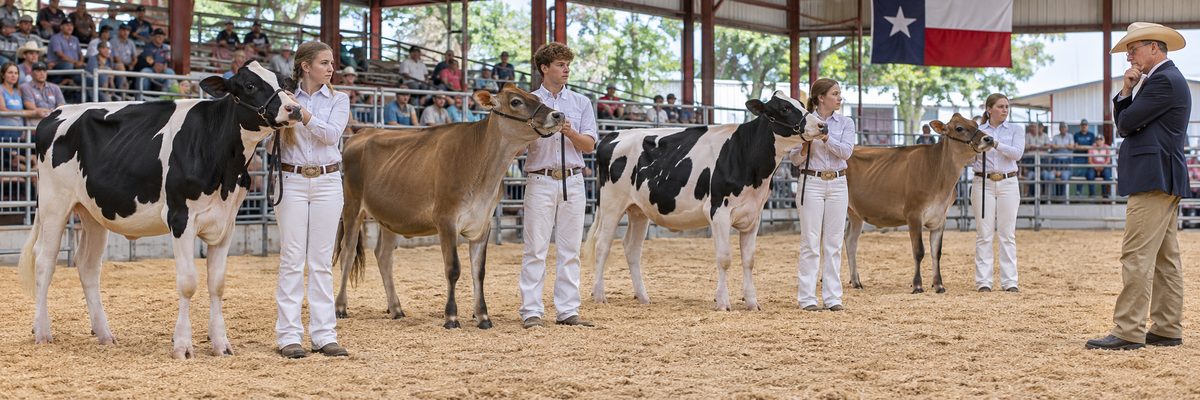
The dairy bull is the one animal on the farm that every experienced dairyman treats like it might change its mind. He's been fine for three years. He's been fine every day of those three years. Then one morning he isn't, and the story gets told at the sale barn for a decade.
So, should you keep one? For most dairies, no. Artificial insemination gives you better genetics, better records and a lot less risk of someone getting hurt. A bull makes sense in a few situations: a small herd with limited labor, a grazing herd where heat detection is hard, or as a cleanup bull for cows that haven't settled after AI. Even then, the safety plan has to come first.
Here's how to weigh it honestly.
The safety problem
Dairy-breed bulls have a poor safety record, and the reputation is earned. Holstein, Jersey and other dairy bulls can be unpredictable at any age, including the ones raised as bottle calves that followed you around. A bull raised by hand and treated like a pet is often more dangerous, not less, because he doesn't see a person as a bigger animal to respect. Jersey bulls in particular have a reputation for turning aggressive without warning.
Agricultural safety organizations have long warned that bulls cause serious injuries and deaths on farms, and that the danger doesn't depend on how well you know the animal. If you want general farm safety information from a land-grant source, Penn State Extension's dairy pages are a place to start, and your state's farm safety program or insurance carrier can give you more specific guidance.
If you do keep a bull, a few ground rules hold on every farm:
- Never turn your back on him, and never go into his pen alone.
- Build a pen and handling area with solid fences and a way to move him without being in the same space, such as a gate system, a headgate or a catch pen you can operate from outside.
- Make sure every person on the farm, including family and hired help, knows the rules.
- Don't allow children or visitors near him.
- Retire or move him out before he becomes a problem, not after.
Costs and what you'd pay for a bull
A bull eats, needs space and a strong pen, and has to be fed, vetted and eventually replaced. A purchased bull may be inexpensive compared with AI for a large herd, but the full cost isn't just the purchase price. Feed, facilities, vet care and the risk factor all go on the list. A good bull also adds another animal to keep separate from the rest of the herd, with a strong fence and a gate that actually latches. That's an unusual feature on a lot of farms.
Semen from top genetic sires usually costs far less than keeping a bull of equivalent quality, and you can use many sires at once. If you want to see the AI side of the budget and the skill involved, read how to artificially inseminate a dairy cow, and decide if you'll do it yourself or hire help with do-it-yourself AI versus hiring a technician.
Breeding results and genetics
A natural service bull has strengths. He finds cows in heat that you missed, he's on the job at two in the morning and he doesn't need a thaw. For herds with weak heat detection, he can raise breeding rates. For grazing herds with seasonal calving, bulls can be a practical tool.
The weaknesses are real, too. One bull means one set of genetics, and his daughters may carry traits you didn't choose. You can't match him to individual cows the way you can with AI, and a bull with a fertility problem or an injury can quietly cost you a whole breeding season before you notice. If you're concerned about relatedness in a small herd, inbreeding in dairy herds explains why one bull used for years on his own daughters is trouble.
For a bull's own health, make sure he has a breeding soundness exam, up-to-date vaccinations and testing that match your herd program, and that new animals are kept apart before joining the herd; quarantine rules for new cattle apply to bulls as much as to cows.
Where a bull earns his keep
Cleanup after AI
Many farms that mostly use AI keep a bull or hire one for cows that don't settle after a set number of services. If that's your plan, using cleanup bulls after AI covers how to manage it with the least risk, and the key point is to keep him in a separate pen with the open cows, not walking free with the milking string.
Small and grazing herds
A small herd with one person doing everything may not have time for heat detection and AI. A bull can do that work for you. A beef bull or a quieter dairy bull may suit that kind of herd, and many farms borrow, lease or rent a bull for a season instead of owning one year-round.
Hot-climate herds
In hot regions, heat stress lowers heat expression and conception, and a bull can help catch the cows that show heat poorly. He also suffers from heat, which reduces his own fertility, so plan shade and water for him too.
Decision checklist
- Do you have a safe pen, a safe way to handle him and a plan for every person who walks into the barn?
- Can you afford the feed, vet and replacement costs?
- Do you have a clear role for him, such as cleanup breeding or grazing season service?
- Do you have a way to avoid inbreeding?
- Can you commit to selling him before he gets mean, not after?
If you answered no to the first one, stop. The right answer is AI.
A bit of barnyard romance
Natural service is a lot less poetic when you're the one paying the vet bill. If you'd like the poetry version, there's Barnyard Romance, a cowboy poem on farm.FM, which leaves the liability to the rest of us.
Quick answers
Is a dairy bull more dangerous than a beef bull?
Dairy-breed bulls have a reputation for being among the most dangerous, and Jerseys especially. Any bull can hurt someone, so treat all of them with the same respect.
How many cows can one bull cover?
That depends on his age, condition and the season, and your vet can give you a realistic number for your situation. A young bull should be given fewer cows than a mature one.
Is AI cheaper than owning a bull?
For many herds, yes, once you count the bull's feed, housing, vet care and risk. Small herds with little labor sometimes find a bull more practical.