Cooling and Storing Milk From a Family Cow
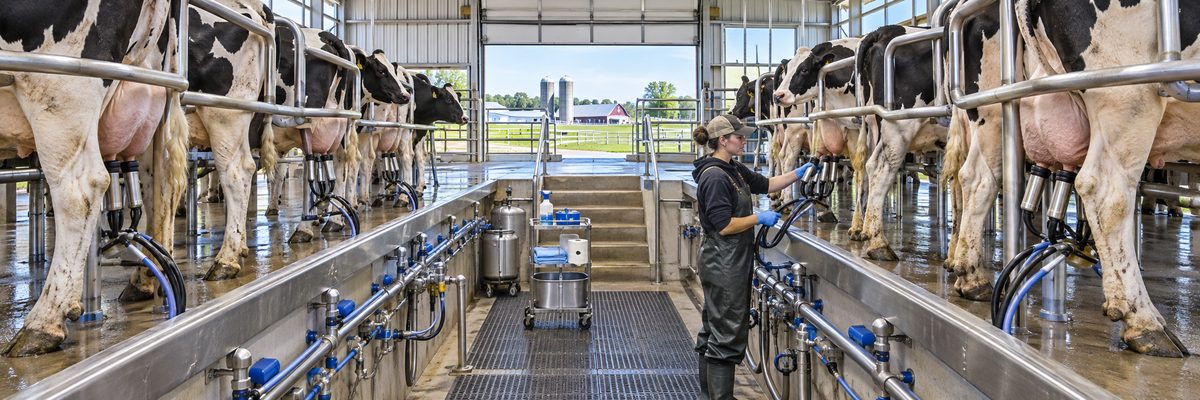
Milk leaves the cow warm, and warm milk is the best thing a bacterium could ask for: wet, rich in sugar and protein and sitting at body temperature. Every minute it spends warm is a minute for those bacteria to multiply. That is why chilling speed matters more than almost anything else you do after the milking is done.
The short plan: strain the milk right away into clean containers, cool it as fast as you reasonably can, get it into a refrigerator set at or below 40°F, keep it cold and label it with the date. How long it keeps depends on how clean it was to begin with, how fast it was chilled and how cold your fridge really is, which is why two households with the same cow can report very different shelf lives.
A note before we get into the details. Milk that has not been pasteurized can carry disease-causing germs even when it came from a clean, healthy cow, and the rules on drinking, sharing and selling it differ by state. Good cooling slows bacterial growth, but it does not make raw milk safe. The sections below cover the cooling and storage, and the risks are covered in raw milk safety: risks, testing and good practice.
Step 1: Strain and move it out of the barn
Milk waiting in a pail in the barn is milk in the warmest, dustiest room on the farm. As soon as the milking is done, take the pail to a clean room and strain the milk through a clean single-use filter or a sanitized strainer into your storage containers. Do not leave it with the lid off while you finish chores. Flies read this as an invitation. The best place for the pail is the fridge-side counter, not the porch rail.
Step 2: Cool it fast
The faster the milk gets cold, the better. A fridge alone is slow with warm, full jars, because glass holds heat, jars stacked together insulate each other and the fridge motor has not heard the news. Use one of these methods, then move the milk to the fridge once it has dropped.
- Ice bath. Set sealed, sanitized containers in a sink or tub of ice and cold water, with water up to the level of the milk. Stir the milk occasionally with a sanitized spoon if the containers are open at first.
- Shallow containers. Shallow, wide containers cool faster than deep ones. Split a big batch among several jars rather than filling one deep can.
- Pre-chilled stainless. A stainless milk can or pail that has been rinsed with cold water and chilled in the fridge or standing in cold water takes heat out of the milk quickly.
- A chest freezer used with care. Some people park containers in a freezer for a short while to start the cooling. If you do this, set a timer. Milk that freezes in a glass jar can break it, and a forgotten jar is a classic way to learn that.
Do not mix fresh warm milk into cold milk that has already been chilled. The warm milk raises the temperature of the whole batch and undoes your work. Cool each milking separately, and combine them only after both are cold, if at all.
Commercial dairies have strict cooling rules for their bulk tanks, and you can read how those work in how fast milk must cool in the bulk tank. A family cow's household doesn't have the same regulations, but the principle is the same.
Step 3: Choose the right containers
Glass jars with tight lids are the household standard because they are easy to sanitize, do not hold odors and let you see the milk. Stainless steel works well too. Food-grade plastic is fine for some uses but picks up scratches and smells over time. Whatever you choose:
- Wash containers with hot soapy water after each use, rinse, then sanitize and let them air dry upside down. Wet jars waiting in a closed cupboard grow things.
- Leave a little headspace for expansion, especially if you will freeze any.
- Dedicate containers to milk. The jar that held pickle juice remembers.
- Label with the date and which cow or milking it came from.
Step 4: Store it cold and keep it cold
Set the fridge at 40°F or below and check it with a thermometer, because dials on home fridges are often off by several degrees. Put the milk on a shelf toward the back, not in the door, where the temperature swings every time somebody grabs the ketchup. Take out what you need and put the rest back; do not leave jars on the counter during breakfast. Never pour leftover milk back into the original container.
Some farms with a family cow add a dedicated small fridge in the milk room so household milk does not share space with the leftovers. A used fridge is cheaper than a stomachache.
How long does it keep?
There is no single number. Shelf life depends on starting bacteria, speed of cooling, fridge temperature and handling. Very clean, fast-chilled milk in a cold fridge generally keeps better than milk from a dirty udder that sat warm for an hour. Many households find milk stays good for several days to about a week, but treat that as a loose rule of thumb, not a guarantee, and trust your nose less than your calendar.
Warning signs the milk should go: a sour or off smell, a change in texture such as clots or slime, an unusual color or a bitter taste. When in doubt, throw it out. Spoilage and safety are two different questions, though. Milk can carry harmful germs without smelling or tasting any different, so smell is not a safety test.
If the milk is tasting off day after day, look at the milking process before blaming the fridge. High bacteria counts usually begin with the udder, the equipment or the cooling, and our article on hand milking a family cow covers the habits that keep milk clean at the start.
Freezing, cream and other uses
Freezing is an option for extra milk. Leave headspace, label the date and thaw in the fridge. Freezing does not kill bacteria that were in the milk to begin with, and the texture can change, so milk that has been frozen is better for cooking, yogurt or feeding animals than for the breakfast glass. Cream rises on standing milk, and if you want butter, our article on making butter from your own cream picks it up from there.
Safety, regulation and the pasteurizing question
FDA describes in its page on the dangers of raw milk that raw milk can carry germs such as Salmonella, E. coli, Listeria and Campylobacter, and that these can be especially dangerous to people with weakened immune systems, children, older adults and pregnant women. The same page notes that pasteurization kills harmful germs by heating milk to a specific temperature for a set period of time. If you have children, an elderly relative or anyone who is pregnant in the house, talk with a doctor, and consider pasteurizing milk at home in small batches.
Whether you may sell, share or give away raw milk is a state question, and some states prohibit it altogether. Raw milk laws by state shows you how to look up the rules where you live, and your state department of agriculture has the final word.
Milk has been a subject of debate far beyond the dairy case. This farm.FM piece on milk as the new performance-enhancing substance reports on dairy being pulled into an athletics controversy at the Paris Olympics. Whatever the sports world decides about it, your milk still needs to be cold.
Quick answers
How fast should I cool milk after milking?
As fast as you can. Strain it right away, use an ice bath or shallow containers, and get it into a fridge at 40°F or below. Cool each milking separately rather than adding warm milk to cold.
Can I leave fresh milk on the counter for a few hours?
It is better not to. Warm milk lets bacteria multiply quickly, and that shortens shelf life and can raise health risks. Chill it promptly and keep it cold.
Is cold milk that smells fine always safe?
No. Some harmful germs do not change the smell or taste of milk, and raw milk carries added risks. Good cooling slows spoilage, but pasteurization is what kills germs.