Youth, Shows, Careers & Dairy Life
How to Keep a 4-H Dairy Project Record Book
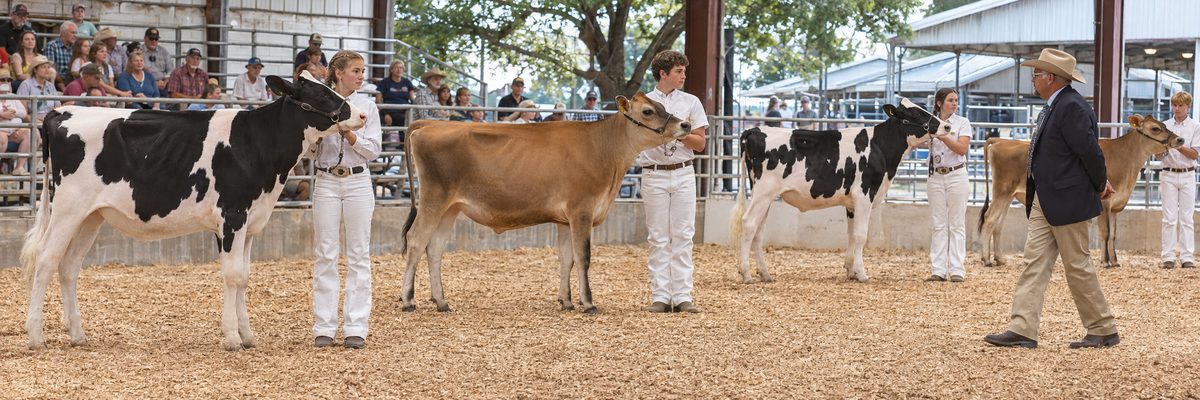
The record book is the part of a 4-H project that gets written on the last night, at the kitchen table, from memory and a feed store receipt that has been in a truck door since June. Everybody does it once. The second year, you do not.
The fix is simple: write things down when they happen. A record book kept a little at a time takes minutes. A record book built from memory takes a weekend, and the feed costs come out as guesses. This guide covers what to track in a dairy project, how to put a fair price on things you did not pay for, and how to make the finished book read like it belongs to you.
Forms differ by state and county, so use the ones your 4-H office hands you. The habits below work with any of them.
What a record book is for
The University of Vermont's 4-H dairy project record lists the reasons plainly: setting goals you can reach, remembering what you did, building skills and organizing time, looking back to decide what to change next year, and sharing your project with others. It also says each animal you show needs a complete set of records, and that you should keep the book up to date. That last sentence does more work than the other ones combined.
Montana State University Extension's record book tips add that record books show what you did and learned, and that the forms should include your goals at the start of the year and a note on whether you met them at the end.
What to record in a dairy project
| Category | What to write | How often |
|---|---|---|
| Animal information | Name, breed, birth date, tattoo or ear tag, registration number, sire and dam, where and when you got her | Once, then update |
| Feed | What she eats, how much, and what it costs | Daily or weekly, totals monthly |
| Growth | Weight tape reading, height, body condition notes | Monthly |
| Health | Vaccinations, deworming, vet visits, foot trimming, anything unusual | When it happens |
| Breeding and calving | Heat dates, breeding date, sire, due date, calf information (if bred) | When it happens |
| Milk (milking animals) | Weights per milking, dates, any discarded milk | Each milking, totals monthly |
| Training and showing | Halter work, clipping dates, shows, class, placing, what the judge said | After each event |
| Money | Every cost and every bit of income | As it comes |
| Learning | New skills, mistakes, goals met and missed | Monthly |
For the growth entries, a measuring tape and a few minutes will do the job. See weighing and measuring heifers for the how-to, and compare your numbers to growth targets by age so you have something to write about. Commercial dairies keep similar records, and the habit is the same one you will use later in any dairy job.
Count every cost, even the free ones
This is where most books fall short. Montana State's record book tips say to include all costs, and to assign a fair price to things you did not pay for out of pocket. Their example is hay from the family ranch: it still costs something. Work out what a ton costs at market, figure how much she ate, and write down that number. The point of the project, they note, is to learn what it takes to raise the animal.
Dairy kids can apply this to a lot of things:
- Feed and hay from the home farm, priced at what a neighbor would charge.
- Bedding used in her pen.
- Vet and supplies, including the wash soap, clipper blades and show box items.
- Entry fees, registration and transfer fees and any lease payments.
- Travel to shows and meetings. Montana's tips suggest counting mileage at a standard rate, which adds up faster than you think.
Save receipts in an envelope or a folder, and take a picture of anything that fades. For the income side, include premiums, prize money and any sale proceeds. If your project makes less than it costs, that is not a failed book. It is an honest one. A year of numbers is also a good way to see the full picture in what a 4-H dairy heifer project really costs.
Write the story, not just the numbers
Judges and county reviewers read a lot of record books, and the ones that stand out say something real. Include a project story that covers what you learned, what went wrong, what you would do differently and who helped you. A calf that got sick, a halter that broke, a show where you finished last and learned something: all of these belong in the book. Montana's tips note that the book should reflect the quality of your 4-H work and show that you value what you learned.
A few details that help:
- Write your goals first. At the start of the year, set a few specific ones. "Lead her calmly at the county fair" is better than "do well."
- Be specific in the feed record. Montana's tips note that a record with nothing written for feed leaves the reader wondering if the animal was ever fed.
- Proofread. Spelling and grammar matter, and so does a signature on the pages that need one.
- Do not copy the same information in several places. Montana's FAQ says it only needs to be written once, and you can point readers to where it lives.
Who does the writing
You do. Montana's record book FAQ says the member should complete the record, and that adults may help with guiding, explaining, compiling and proofreading. A parent can write in a member's words in special circumstances. Neat handwriting or typed forms are generally both fine, and a three-ring binder with tabs is an easy way to keep it organized. Check your county's rules and deadlines with your Extension office, because they differ.
A simple routine
- Keep the record book in the barn or on a clipboard near the feed room, not in the house.
- Spend five minutes every week writing down what happened.
- Do a monthly check: weigh her, total the feed and add up the costs.
- After each show, write down the class, the placing and what you learned before you forget.
- Two weeks before the deadline, read the whole book and fill the gaps while you still remember.
If you are just getting started with the project itself, see how to start a 4-H dairy cattle project, and if you want a model for what farmers track, the guide to dairy record keeping gives the grown-up version.
Quick answers
Do I have to fill out a record book for 4-H?
In most programs, yes. Montana 4-H, for example, treats record keeping as a required part of the project and says members receive credit for completing a project with their record forms. Ask your county Extension office for local rules.
What should I do if I forgot to record something?
Reconstruct it as honestly as you can from receipts, feed bags, show results and the farm's own records, and note that it is an estimate. Then start writing things down as they happen.
Can I type my record book?
Often yes. Montana's FAQ says you can download the forms and type into them, as long as the categories stay the same. Confirm with your county first.