Youth, Shows, Careers & Dairy Life
What a 4-H Dairy Heifer Project Really Costs
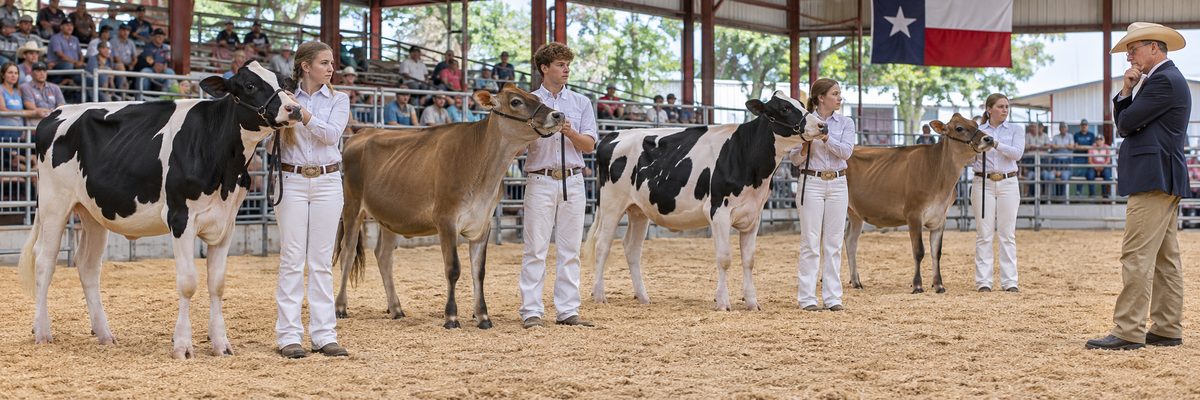
The price of the heifer is the cheapest part of the project to talk about, because it is one number. Everything else shows up later, in small amounts, on different days, and usually when you are standing in the feed store holding a clipper blade you did not know you needed. Families who budget only for the animal tend to find out about the rest the hard way.
This article does not give a single total, because there is not one. A grade heifer from a neighbor and a registered heifer from a well-known herd are different purchases, and a county fair across town costs far less than a state show across three states. What it gives you is the full list of categories, which ones tend to run large, and how to put real local numbers on each line before you commit.
Where the money goes
| Cost | How big a bite | How to price it |
|---|---|---|
| Purchase or lease of the heifer | Usually the largest single item | Ask breeders and extension staff what similar heifers sell for locally; compare to a lease fee |
| Feed and hay | Large, and it runs the whole project | Weigh what she eats for a week and price it at local rates |
| Bedding | Moderate | Count bags or bales per week |
| Veterinary care and health papers | Moderate, with surprises | Ask your vet what vaccines, tests and show papers are required |
| Registration and transfer | Small but required in many programs | Check the breed association's fee schedule |
| Halters, leads, brushes, clippers, blades, wash supplies | Moderate up front, then replacement | Use a show box checklist |
| Entry fees and stall fees | Small each, large in total | Read each show's entry form |
| Travel and trailering | Can be the biggest surprise | Count miles, fuel and any hauling charges |
| Show clothes and miscellaneous | Small | Ask the club what is required |
The purchase, and the alternatives
A heifer's price depends on breed, age, registration, pedigree and how well she is bred and grown. Registered heifers from show-minded herds usually cost more than grade animals, and a heifer who is already halter-broke is often worth the extra, because training time is real money too. Before buying, read how to pick your first 4-H show heifer, and ask whether the seller will help with the first season.
Some families cut the purchase cost by leasing, which lets a youth show an animal that stays with the owner. A lease is not free, and the lessee typically pays the expenses of keeping and showing the animal, but it can lower the entry cost considerably. The details are in leasing a show heifer when you have no barn. Check your county's rules, because some programs have ownership or lease deadlines.
Feed is the line that never stops
Penn State Extension's look at dairy heifer cost variation calls feed a large portion of what it costs to raise a heifer on commercial farms, and the same is true on a smaller scale for a show project. A growing heifer eats every day for months, and a fitted show heifer is fed with a purpose: steady growth, good condition and a healthy rumen. Prices differ widely by region, since hay is cheap in some places and expensive in others, and the Southwest and Mountain West can face very different feed costs than the Upper Midwest.
Montana State Extension's record book tips have a good rule for any 4-H family: put a fair price on feed even when it comes from your own farm, because the goal is to learn what the project truly costs. If you have your own hay, price it at what a neighbor would pay. If you want a farm-level view of the same idea, see what it costs to raise a dairy heifer to calving.
The costs people forget
- Health papers and vet checks. Many shows require a health certificate. Ask the vet early so the visit does not land in the middle of fair week.
- Clippers and blades. Good ones cost money, dull ones cost more in frustration.
- Replacement gear. Heifers break halters. They also eat leads, step on brushes and find the one bucket you did not secure.
- Stall decorations, signs and banners. Optional, but the stall next to yours will have them. Decide whether you want to join in before the first banner order.
- Meals and lodging at away shows. A weekend show adds up quickly once you count fuel, food and a motel.
- Time. Not a cash cost, but a real one. A heifer needs care every day, including the day you wanted to do something else.
How to build your own budget
- Call three sources. Your county Extension office, an experienced 4-H dairy family and a feed dealer. Ask each what they would budget.
- Decide how long the project runs. Is it one fair season, or a heifer you will carry through breeding and a first calf? The longer the project, the more feed and vet costs add up.
- List the shows. County fair, district shows, state fair, breed shows. Add entry, travel and food for each.
- Add a cushion. Many families add a buffer for the unexpected, and something always turns up.
- Track actual costs. Use your record book to compare the plan against what you really spent, so next year's budget is based on facts.
Ways to keep costs down without cutting corners
- Start with a reasonable, healthy heifer instead of the most expensive one. A good animal that you can handle beats a showy one you cannot.
- Share equipment with your club: clippers, fans, a wash rack, a trailer.
- Buy supplies in bulk with other members.
- Pick a few shows you can attend well rather than every show on the calendar.
- Ask about sponsorship, local premiums and scholarships for dairy youth.
Do not save money on feed quality, health care, or safe housing. Those are the lines where cheap decisions cost more later. If you are choosing between a project that fits your budget and one that stretches it, the right answer is the one that lets you take care of the animal without stress. A good start is how to start a 4-H dairy cattle project, with the dollars worked out afterward.
Quick answers
How much does it cost to raise a 4-H dairy heifer?
There is no standard number. It depends on whether you buy or lease, the animal's breed and quality, your local feed prices and how many shows you attend. Get local figures from your Extension office and a 4-H family and build your own budget.
Is leasing cheaper than buying?
Often, but not always. A lease can remove the purchase price, yet you may still pay a lease fee and the cost of feed, health care and showing. Read the lease agreement closely before you compare.
Can a 4-H dairy project make money?
Some do through premiums, sales or a bred heifer that produces a calf, but many cover only part of their costs. Treat the project as an education first, and count any profit as a bonus.