Youth, Shows, Careers & Dairy Life
How to Pick Your First 4-H Show Heifer
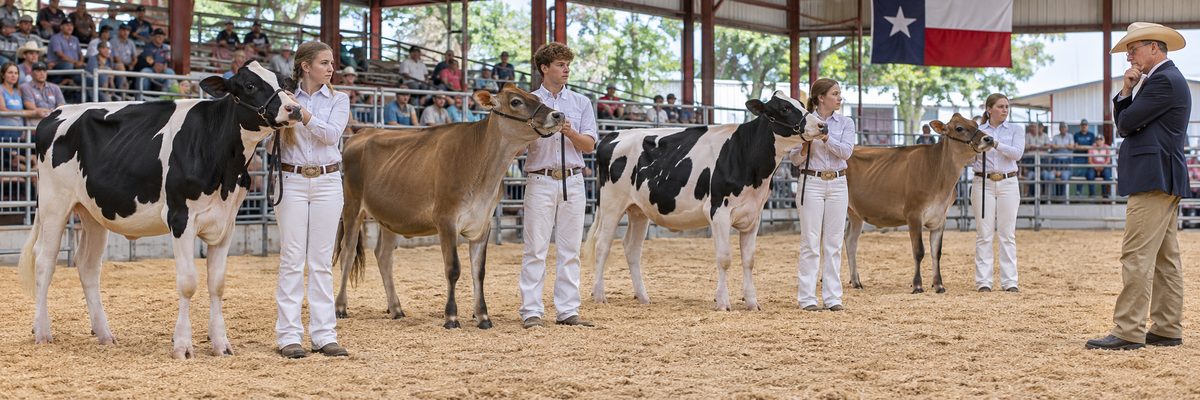
The best first show heifer is rarely the flashiest one in the pen. She's the one that fits you: sized so you can actually lead her, gentle enough to stand for a brush, sound on her feet, and old enough to fall into the right class under your county's rules. A calm, correct, middle-of-the-pack heifer that you can work with every night will beat a fancy one that drags you around the wash rack.
Before you fall in love with anything, find out what your club and fair allow. Ownership deadlines, age limits, breed or registration requirements and ear tag rules differ by state and county, and nothing ruins a project like buying a heifer that can't be entered. Ask your 4-H leader first, then go shopping with a rule sheet in your back pocket. The shopping part is the fun part, and your older sister's opinion of the color is not a selection criterion.
Start with your own situation
Three questions narrow the field before you ever look at a heifer. How much room and help do you have at home? How much time can you spend every day? And how much money is in the budget once you count feed, bedding, vet visits, entry fees and a show box? A realistic cost estimate for a 4-H dairy heifer project is worth reading before you commit, and if you have no barn at all, leasing a show heifer may be the sane first step.
Your size and experience matter too. A smaller or younger exhibitor usually does better with a younger, smaller, quieter heifer than with a big, strong yearling that has opinions. The University of Georgia's extension bulletin on fitting and showing dairy animals lists an inappropriate size of animal for the competitor among the showmanship faults, so a heifer that overpowers her showman can cost points before she takes a step.
What to look at on the heifer
You're buying a young animal, so you're looking for correctness that will hold up as she grows. Walk around her slowly, then watch her walk away from you and toward you.
- Feet and legs. Straight, clean legs when viewed from behind, with a hind leg that has some set and doesn't look like a post. Feet should have deep heels and a decent angle. A heifer that walks stiffly or short-strided at the age you're looking at rarely improves with a show season.
- Topline and rump. A strong, level back, and a rump that's long, wide and fairly level from hips to pins. A weak, dipped back is hard to hide, even with a good clipper and a can of adhesive.
- Chest and frame. A wide, deep chest floor, a good spring of rib and a heifer that stands up tall on a long, clean-fronted frame rather than short and thick. She should look like a dairy animal, angular and open, not like a stocker steer.
- Head and neck. A clean, feminine head and a long, smooth neck blending into the shoulders. Loose, wrinkly skin on the throat is a flaw you'll need to learn to show around.
- Overall health. Bright eyes, a shiny coat, no cough, clean nose, no scours stains, and a body that looks well grown but not fat.
If you can't tell a good heifer from an average one yet, that's fine. It's why practice with breed identification and judging feet, legs and udders pays off long before you buy. And bring an experienced dairy person with you. Nobody is born knowing, and a neighbor who has been through forty fairs sees things you won't.
Growth, age and condition
A good prospect is growing at a steady rate for her breed. The Georgia bulletin points to growth charts for Holstein and Jersey heifers and recommends measuring height and weight with a weight tape and measuring stick every other week. It says a heifer below the breed average line isn't growing at an optimal rate, and one above it should be watched to make sure her height is keeping up. It also mentions daily gains of roughly 1.8 to 2 pounds in large breeds and about 1.3 pounds in small breeds before breeding. Those are targets for good feeding, not something you check at the seller's farm, but a heifer that looks like she's been stunted or overfed is a flag. If you want the numbers, heifer growth targets by age lays them out.
Ask her age and compare it to the class structure of the show you're aiming for. Classes are typically divided by birth date, so a heifer born near a cutoff may show against much older or younger animals. How dairy cattle show classes are split by age and division is worth a read before you pick a birth date.
Temperament is a feature, not a bonus
Halter breaking an excitable heifer is a test of endurance. A calm one takes half the time and half the bruises. Spend a few minutes in the pen with her. Does she come up to you, or press into the corner? Does she tolerate a hand on her back and a scratch on her tailhead? A heifer that has been handled since she was a calf will usually be easier than one that's rarely seen a person. The first few weeks of halter training will tell you the rest, so choose one that gives you a fighting chance.
Paperwork and health questions to ask the seller
- Birth date, sire and dam, and registration papers if she's registered, along with who owns the transfer.
- Whether she received colostrum, what she's been fed, and her vaccination and deworming history.
- Whether she's been disbudded or dehorned. The Georgia bulletin recommends dehorning at about one month and not beyond two months, and notes some shows won't take horned animals.
- Whether she has any health papers needed for fair entry, and how recent they must be. Requirements vary, so check the fair's rules.
- Whether the seller will let you come back with a question once she's home. A good breeder says yes without hesitation.
Mistakes to avoid
- Buying the biggest heifer because she looks impressive in the pen. Bigger isn't easier.
- Ignoring feet and legs because the pedigree reads well. Paper doesn't make her walk.
- Buying without a vet check or at least a look from someone who knows cattle.
- Skipping a trial lead before you pay. If she won't walk with a halter on for a minute, believe her.
- Spending the whole budget on the purchase and leaving nothing for feed, hoof care and entry fees.
For the big picture on getting going, how to start a 4-H dairy cattle project covers the steps around choosing an animal. For more on fitting and showing basics, the University of Georgia bulletin Is Your Heifer Fit to Show? is a sound place to read, and Washington State University's 4-H dairy cattle page links to curriculum and showmanship resources.
Quick answers
How old should a first show heifer be?
It depends on your size, experience and local class rules. Many first-time exhibitors do well with a younger heifer that's manageable in size, as long as she fits the age classes at the fairs you plan to attend. Ask your leader which classes are offered before you buy.
Should my first heifer be registered?
Some shows and breed-association programs require registration, and others don't. If you want to enter open or breed-sponsored shows, registered animals are usually needed, so check the entry rules first. For a county fair project, a well-grown grade or unregistered heifer is often allowed.
Can I pick a show heifer from a commercial dairy?
You can, and many good project animals come from working herds. Look for a heifer that's been raised well, handled gently and kept healthy, and ask the owner if you can come back for help. Dairy people are generally happy to see a kid take an interest. Just remember that a milk check doesn't care about your project, so ask when it's a good time to visit and don't show up at the evening milking with a list of questions.