Youth, Shows, Careers & Dairy Life
How to Start a 4-H Dairy Cattle Project
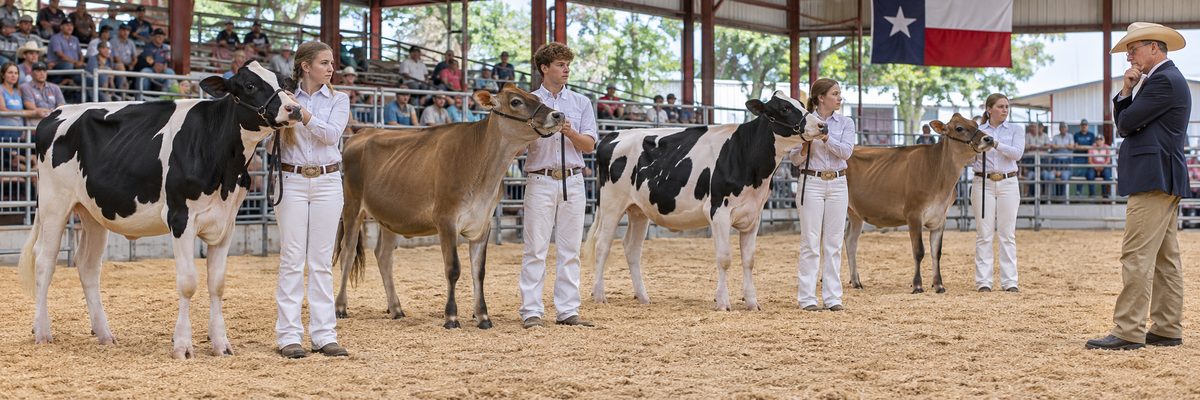
A 4-H dairy project starts with a phone call, not a heifer. Before anyone buys a calf, a kid and a parent need to find their county 4-H program, learn the rules for dairy projects in that county, and get a straight answer about what the commitment looks like. A dairy animal needs care every single day, including the mornings when it is nineteen degrees and the alarm sounds like an insult.
The good news is that a dairy project is one of the best ways for a young person to learn responsibility, animal handling and record keeping, and you do not need a farm to start. Many members lease an animal, keep a calf at a cooperating farm or share barn space with a neighbor. The first steps are about planning, and the planning is mostly asking the right questions.
Here is a practical path from "we think we want to do this" to a calf on a halter.
Step 1: Contact your county 4-H office
4-H is run through land-grant university extension offices, and rules differ by state and county. Ask your county extension office about:
- Age requirements for dairy projects and for showing at the county fair.
- Enrollment deadlines. Many counties require project enrollment months before fair time.
- Ownership and identification rules, such as when an animal must be in your possession and how it must be tagged or registered.
- Health requirements and any state or fair vaccination or testing rules.
- Local clubs, leaders and experienced dairy families willing to mentor.
Most states also offer a dairy awareness, dairy bowl or judging program for members who want to learn without owning an animal. The University of Minnesota Extension dairy page and the Penn State Extension dairy page are two examples of land-grant resources that publish material useful to youth and families, and your own state's land-grant extension site will have its own.
Step 2: Decide what kind of project fits
| Option | What it means | Good fit when |
|---|---|---|
| Bottle or young calf | Raise a calf from a few weeks old to show age. See raising a bottle calf for 4-H. | You have a safe place and time for daily feeding and want a long project |
| Show heifer | A heifer of an age suited to exhibiting. See how to pick your first 4-H show heifer. | You have room or a host farm and some experience or a mentor |
| Lease | Use a heifer owned by a farm for a season. See leasing a show heifer when you have no barn. | You have no barn or want to test the waters |
| Dairy goat or other dairy animal | Smaller, lower-cost alternative. See the 4-H dairy goat project guide. | Space or budget is tight |
| Non-animal dairy project | Judging, dairy foods, quiz bowl or skillathon | You want to learn dairy without owning an animal |
Dairy breeds in 4-H usually include Holstein, Jersey, Guernsey, Brown Swiss, Ayrshire and Milking Shorthorn. Breed choice is partly personal and partly practical. Identifying the six dairy breeds on sight helps you see the differences, and a local mentor can tell you what does well in your area and at your fair.
Step 3: Build a realistic budget
The purchase price of the animal is only the start. A real budget includes feed, bedding, minerals, vet care, vaccinations, halters, brushes, clippers, show supplies, fair entry fees, transport and clothing for the ring. Costs vary a great deal by region and by the quality of the animal, so there is no single number. What a 4-H dairy heifer project really costs breaks down the categories so you can make your own estimates with local prices.
Ways to keep costs reasonable include leasing, buying a calf instead of a ready-to-show heifer, borrowing equipment from experienced exhibitors and keeping the animal at a farm that can supply feed. Many families discover that a good mentor is worth more than any piece of equipment.
Step 4: Understand the daily commitment
A dairy calf or heifer needs care twice a day, every day, with no days off for holidays, weather or birthday parties. That includes:
- Feeding and watering on a regular schedule.
- Cleaning pens and refreshing bedding.
- Checking the animal's health: appetite, manure, eyes, nose, breathing and general attitude.
- Halter training and handling practice several times a week as show day approaches. Halter training a show heifer is more about patience than strength.
- Grooming, washing and, closer to the show, clipping.
Be honest at the family table about who will do what when the child is at school, sick or away. Younger members need adult supervision around cattle, and even experienced exhibitors can get hurt by a few hundred pounds of heifer. Dairy farm safety rules for kids and teens is required reading for everyone in the barn.
Step 5: Learn to keep records
4-H projects almost always include a record book. It tracks costs, feed, activities, growth and what the member learned. It also happens to be the best financial training a young person gets. How to keep a 4-H dairy project record book shows what to write down and when, and the habit pays off later if the project grows into a herd.
Step 6: Work toward the fair
The county fair is the most visible part of the project, but it is not the whole thing. Showmanship and breed classes get the attention, while the learning happens in the weeks of practice that come before. A first-year member does not need to win. A calm animal, a clean exhibitor and a respectful attitude in the ring tell the judge more than a trophy ever could. Dairy showmanship tips for first-year exhibitors is a good place to start, and what happens during fair week helps families know what to expect.
Mistakes that trip up first-timers
- Buying an animal before talking to the county office, then finding out she does not meet the rules.
- Underestimating the daily time. A heifer does not understand that it is the weekend.
- Skipping halter training until two weeks before the fair. Heifers are not impressed by deadlines.
- Ignoring vaccination and health requirements until the entry form arrives.
- Letting the kid do everything alone, or letting the adults do everything for the kid. Either way, the point of the project is lost.
Quick answers
How old do you have to be to start a 4-H dairy project?
It varies by state and county. Many programs start formal projects around age eight or nine and offer introductory activities for younger children. Ask your county extension office for the rules where you live.
Can I do a 4-H dairy project without a farm?
Yes. Many members lease an animal, keep one at a host farm or take part in dairy judging, quiz bowl and skillathon programs that do not require owning cattle. Your county 4-H office and local dairy families can help match you with an option.
How much does a 4-H dairy project cost?
It depends on the animal, the region and how much equipment you buy or borrow. Add up purchase or lease cost, feed, vet, show supplies and fair fees, then compare with the local prices you collect from your leader.