A Sample Calf Vaccination Schedule From Birth to Weaning
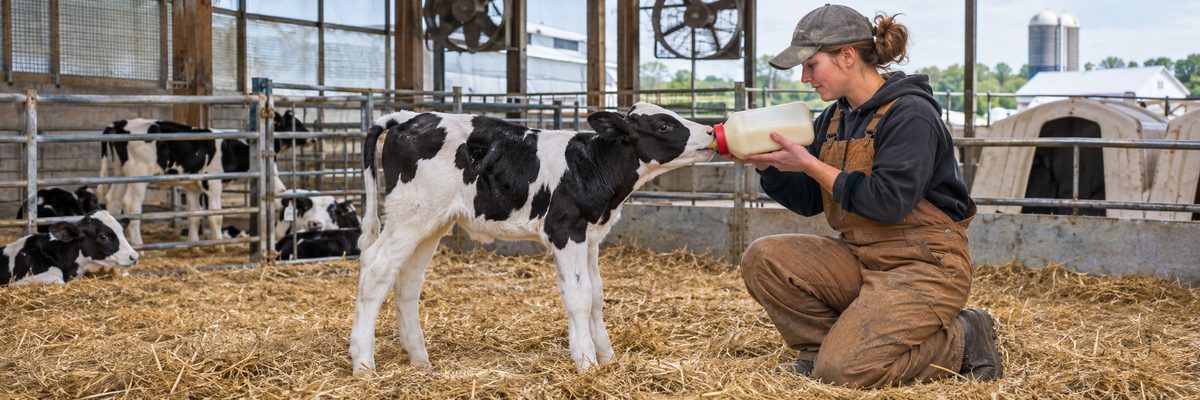
Ask five dairy farmers for their calf vaccination schedule and you will get six answers, one of them on the back of a feed receipt. That is not a sign anyone is doing it wrong. Herd history, disease pressure, colostrum program, housing and region all change what makes sense, which is why the real schedule belongs to your herd vet, not to an article.
What this piece does is give you a sample outline of when vaccines tend to come up between birth and weaning, why the timing matters, and what to bring up with your vet. There are no products or doses here. Labels, prescriptions and withdrawal times are your vet's territory.
The one idea to carry through: a vaccine only works if the calf's immune system can respond, and a calf that is cold, scouring, underfed or freshly moved is not at her best.
Start with colostrum, because vaccines cannot fix a bad start
Calves are born with little to no immune defense. Penn State Extension notes in its piece on passive transfer of immunity that high-quality colostrum fed within the first few hours is the first step in building that immune system, and calves with poor passive transfer in the study they describe were more likely to get pneumonia and diarrhea and had higher mortality. No injection later makes up for a calf that never absorbed the antibodies.
So the first piece of the plan is not a vaccine at all. It is getting colostrum into the calf fast and confirming it worked; see how soon to feed colostrum and checking calves for failure of passive transfer. Wisconsin's benchmarks suggest aiming for fewer than 10 percent of calves, ideally fewer than 5, in the poor passive transfer category.
Vaccinating the cow is part of the calf plan
Many herds give dry cows vaccines before calving so the colostrum carries antibodies to common calf scours pathogens. Which ones, and when, depends on what you have seen on your farm. If you are working out why calves scour, telling rotavirus, crypto and E. coli scours apart helps frame the question for your vet. And because dry cow management feeds into calf health, close-up pen management is part of the same chain.
A sample outline, birth to weaning
The table below shows the kinds of steps that often appear in calf programs. I am writing from general herd-health practice here, not from a single protocol, and the ages are ranges and starting points to discuss. Your vet may add, drop or move things based on your herd.
| Stage | What often happens | Things to settle with your vet |
|---|---|---|
| Before calving | Dry cows vaccinated so colostrum carries protection against calf scours and other diseases | Which vaccines, what timing relative to calving |
| Birth to first day | Colostrum, navel care, warm dry pen | Colostrum volume, quality testing, passive transfer checks |
| First days to a couple of weeks | Some herds use an early respiratory vaccine, sometimes given in the nose | Whether it suits your herd, since antibodies from colostrum can blunt the response to some vaccines |
| Roughly weeks 3 to 6 | First injectable respiratory and clostridial-type vaccines in many programs | Product choice, number of doses, booster timing |
| Before or around weaning | Booster doses, timed so the calf is not hit with several stressors at once | Spacing from weaning, grouping and dehorning |
The colostrum point in the third row deserves a minute. Antibodies absorbed from colostrum protect the calf, but they can also interfere with how well a young calf responds to some vaccines. That is one reason timing varies from farm to farm and one reason vets often recommend a booster instead of relying on a single early dose.
For the longer view past weaning, the dairy cattle vaccination schedule by age covers heifers and cows, and leptospirosis and vaccination deals with one disease that often comes up around breeding age.
Time vaccines when the calf is least stressed
Penn State's article on achieving a healthy weaning transition makes the point that you should not make an environment change, a timed vaccination and a nutritional change all at once, and that vaccinations should be timed when calves are least stressed so the vaccine can work properly. It also warns that a stressed calf can turn into a sick calf quickly.
In practice that means checking the calendar before the syringe comes out. Is this the week of weaning? Is the group moving pens? Did you just disbud? If so, push the vaccine a week or two when your vet agrees. A booster given on day three of a pen move is a booster that is working with one hand tied.
Do not vaccinate sick calves
Calves that are scouring, running a fever or coughing are generally not the ones to vaccinate that day. Ask your vet what to do about them, and what to do about the group's schedule if several calves are off at once. If pneumonia is showing up, see early signs of pneumonia in dairy calves and call the vet.
Handling, storage and records
Vaccines are fussy about how they are kept and mixed. Some points your vet or the product label will cover, and which tend to go wrong on a busy morning:
- Storage: keep vaccines cold and out of sunlight, in a fridge that stays cold, not the one with the farm lunch in it.
- Mixing: reconstitute modified-live products only as directed and use them within the label time.
- Needles and injection sites: clean needles, proper sites, and a new needle often enough that you are not dragging a dull one through a calf.
- Label directions: route, age limits and booster instructions are on the label for a reason, and your vet can explain anything unclear.
- Records: date, product, lot number, who gave it and which calves. See calf records that pay off for a simple way to keep this.
Good records also help the day a calf is sold or a buyer asks what she has had. Treated or vaccinated animals can have label withdrawal or meat withhold periods, so keep notes and ask your vet if you are unsure.
Regional and herd differences
Disease pressure is not the same everywhere. Large herds in the Southwest and West that bring in calves from many sources may face different respiratory risk than a closed Upper Midwest family herd. Herds in humid parts of the Southeast may be more concerned with other diseases, and pasture-based herds in the Northeast have their own mix. That is why a schedule copied from the neighbor's barn is a starting point at best.
Quick answers
When should I start vaccinating newborn calves?
It depends on your herd and your vet. Some programs begin in the first days or weeks, others wait a few weeks, partly because colostrum antibodies can interfere with early vaccine response. Your vet will set the plan based on your colostrum program and disease history.
Do dry cow vaccines help the calf?
Often, yes. Vaccinating cows before calving is a common way to raise antibodies in colostrum against certain calf diseases. Which vaccines and what timing is a vet decision based on your herd.
Can I give several vaccines at weaning?
You can, but extension guidance recommends not stacking vaccines with a pen move and a diet change. Spacing them out, as your vet advises, gives calves a better chance to respond.