Barns, Cow Comfort & Equipment
Humid Heat Cow Cooling in the Southeast
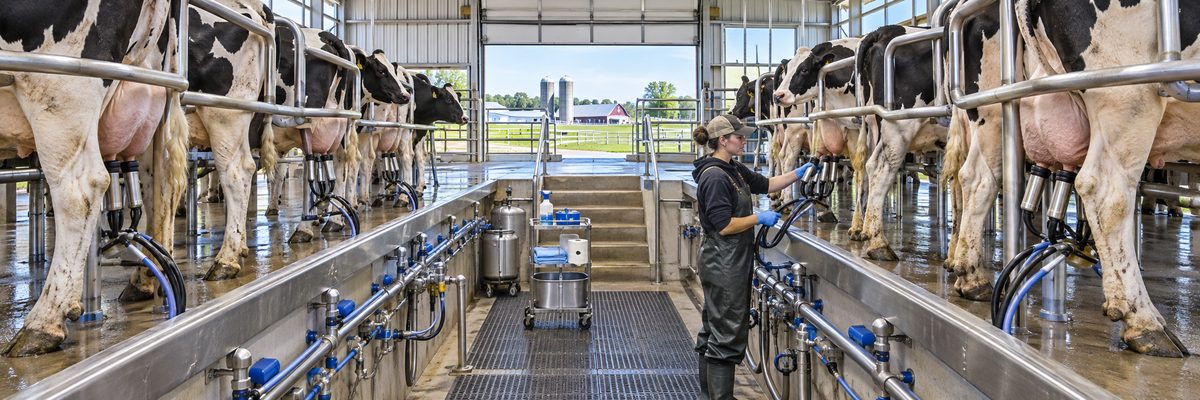
In the humid Southeast, cooling cows is a different job than it is in the desert. When the air is already holding most of the water it can, evaporation slows to a crawl, so foggers and wet pads that work fine in Arizona mostly make a muggy barn muggier. What works in Georgia, Florida, the Carolinas and the Gulf states is moving a lot of air across cows that have been soaked down to the skin, then giving them a decent night to recover.
The short version: shade first, big air speed over the stalls and feed line, soak-and-fan cycles at the feed bunk and in the holding pen, and plenty of water. Skip anything that only adds humidity to the air. The cow does not care how fancy the system looks. She cares whether heat is leaving her body.
And yes, the barn will feel hot to you at nine in the morning. That is not the barn failing. That is August.
Why humidity changes the plan
A cow sheds heat by breathing it out, by sweating, and by conduction and convection to the air and surfaces around her. Sweat and wet hair only cool her when the water actually evaporates. In dry country, a mist in the air does the work. In a wet Southeast afternoon, that mist hangs around and the cow gets damp and warm instead of cool.
Dairy cows also make a lot of internal heat. A high-producing cow eating a big ration is basically a furnace with a milk tank attached, and her comfort zone ends well before the heat feels bad to people. Most extension guidance starts watching for stress when the temperature-humidity index climbs into the high 60s, and using the temperature-humidity index in the barn is the easiest way to know when to switch the system on instead of guessing.
Night matters more than people think. In the Southeast, nights often stay warm and sticky, so cows do not get the overnight reset that cows in drier regions enjoy. Cows that never cool off carry the heat into the next day, and the milk check shows it.
The cooling stack that works in wet heat
1. Shade, everywhere cows stand or lie
Shade is the cheapest cooling you will ever buy. Freestall roofs, shade cloth over the feed lane, covered holding pens, and shade structures over dry lots and heifer pens all cut the radiant load. Dry cows and heifers get forgotten here more than any other group, and then someone wonders why the dry cow pen has a panting problem.
2. Fans over the stalls and the bunk
Air speed across the cow is the workhorse. Most systems put fans over the freestalls and over the feed line, angled down toward the cows, and run them on thermostat or humidity-adjusted controls. Spacing, size and angle depend on the barn width and roof height, so how many fans a dairy barn needs is worth working through before you buy by the dozen. Tunnel or cross-ventilated barns do the same job with controlled airflow, and tunnel ventilation is common in newer Southeast builds.
3. Soak, then fan
This is the humid-climate answer to evaporative cooling. Sprinklers or soaker lines wet the cow all the way to the skin, shut off, and fans evaporate the water off her body, pulling heat with it. The cycle repeats on a timer. Too little water and you only wet the hair. Too much and you make a swamp under the feed line. The details are in sprinklers and soakers for heat-stressed cows, and the nozzle spacing and cycle timing should be set with your equipment dealer or extension specialist.
4. The holding pen
Cows packed shoulder to shoulder waiting to be milked can pick up a lot of heat in a short time, especially on a still afternoon. A shaded, fanned and soaked holding pen is one of the better returns in the whole operation. Cooling the holding pen before milking covers the layout, and it costs less than rebuilding a barn.
5. Water, and lots of it
Hot cows drink a great deal more than cows in cool weather. Keep troughs clean, full and refilling fast enough that the last cow in line is not drinking from a puddle. Put water at the exits of the parlor and at every crossover, not just in the far corner of the barn.
What to skip, and what to question
- Foggers and evaporative pads as the main system. They help in dry climates. In humid air they add moisture without much cooling.
- Fans with no soaking. Moving warm wet air past a dry cow helps some, but a wet cow cools far better.
- Soaking with no air movement. Wet cows in still air just steam. Run fans whenever the soakers run.
- Cooling only the lactating pens. Dry cows near calving and fresh cows are hit hard by heat, and the effects show up in the next lactation and in breeding.
A simple Southeast hot-weather checklist
- Set the cooling to start at a lower temperature than your gut says. Waiting until cows are panting means you started late.
- Check that every fan turns, every belt is tight and every soaker nozzle sprays. A dead fan in the middle of a row is a hot spot.
- Watch behavior. Cows crowding the waterers, bunching in the shade, standing instead of lying, or breathing fast with open mouths are telling you the system is behind. Reading cow behavior to spot heat stress is a good one to hand to the whole crew.
- Walk the barn at night. If cows are still breathing hard at midnight, you need more air or more shade.
- Look at the drains. Soaker water that pools turns bedding and alleys into soup and sets up foot and udder problems.
Grazing herds and small dairies
If you graze in the Southeast, the same physics apply with fewer tools. Shade trees or constructed shade, cool water at several spots, and moving cows to pasture at night and keeping them in during the worst afternoon hours all help. You can also run a soaker and fan setup at the milking parlor entrance, which is where cows stand still anyway. There is more on this in pasture dairying in the Southeast and Southwest.
Small tiestall barns can get a lot from simple ventilation upgrades: open the sidewalls, add circulation fans over the stalls, and make sure the manure and water systems are not adding humidity to the building.
What the heat costs besides milk
Milk drops are the first thing you see, but heat stress also hits conception rates in the hot months and fresh cow health. The reproduction side is covered in heat stress and fertility in hot climates. If your summer conception rate looks like a ski slope, cooling is part of the fix, not just the breeding program.
For research-based guidance, the University of Florida dairy program publishes heat abatement material written for exactly this climate: UF/IFAS dairy extension. For federal conservation cost-share that sometimes covers shade and cooling structures, check with your local NRCS office.
Quick answers
Do evaporative cooling pads work in Southeast humidity?
They help on dry afternoons but lose most of their effect when the air is already saturated. Soaking the cow and moving air over her is the more reliable approach in wet heat. Ask your extension specialist how your local humidity pattern affects the choice.
When should I turn the cooling on?
Earlier than feels necessary. Most herds start fans and soakers when the temperature-humidity index reaches the high 60s or low 70s, or when the barn passes a set temperature, and then adjust based on how the cows act. Use thermostat and humidity controls so the system does not depend on someone remembering.
Are fans alone enough?
In moderate heat, maybe. In real Southeast summer heat, fans without soaking leave a lot of cooling on the table. Pair them with soakers at the feed line and in the holding pen, and keep water close.